1 week ago
New Evidence Reopens Mystery of Geli Raubal’s Death
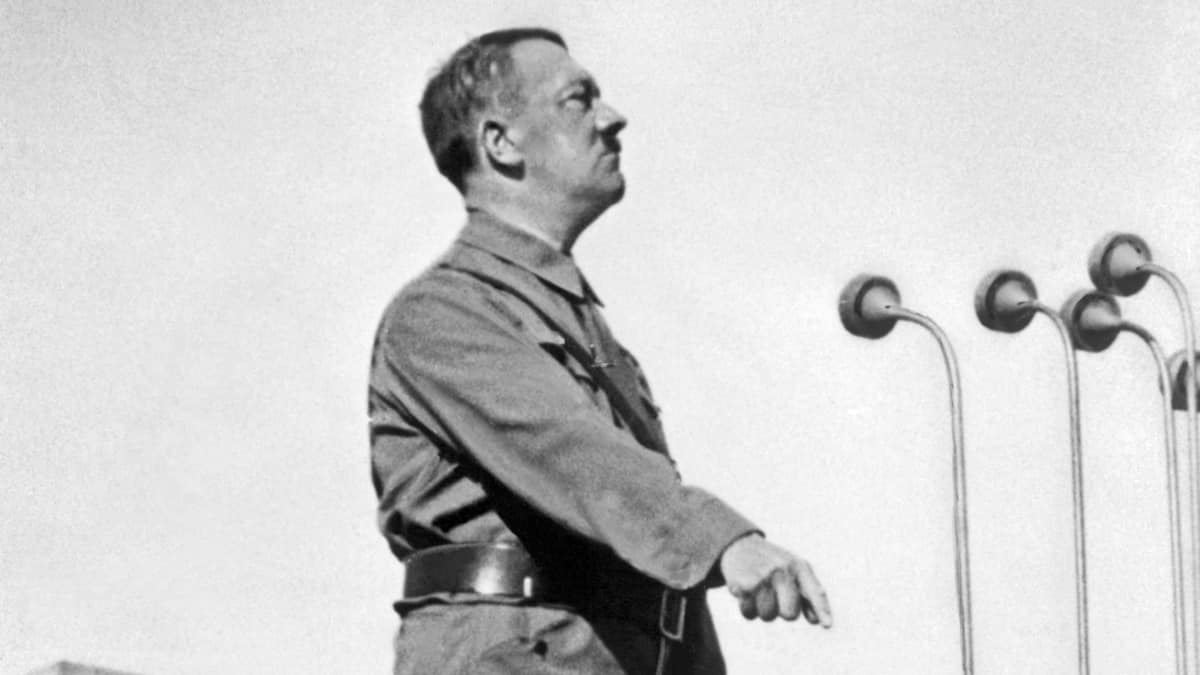
Geli Raubal was Adolf Hitler’s niece and lived in his Munich apartment.
In 1931, she was found dead with a gunshot wound.
Officials said she had killed herself using Hitler’s pistol.
For many years, people accepted that explanation because Hitler was said to be away in Nuremberg.
Historian Harald Sandner found documents suggesting that Raubal died a day earlier than the official story says.
If those documents are genuine, Hitler may still have been in Munich when she died.
Sandner believes officials changed records to protect Hitler.
Other historians are not convinced and say the date difference could be a clerical mistake.
A book expected in November is due to present more of Sandner’s evidence.

Geli Raubal, Adolf Hitler’s 23-year-old niece, was found shot dead in his Munich apartment in September 1931.
Her death was officially ruled a suicide involving Hitler’s Walther pistol, without a post-mortem examination.
Historian Harald Sandner says records place Raubal’s death on September 18, when Hitler was still in Munich.
Sandner argues that police and Nazi Party-linked officials manipulated records to protect Hitler’s political rise.
Historians disagree: Thomas Weber finds the revised timeline credible, while Heike Görtemaker suggests a transcription error and cites Hitler’s eight witnesses.
- Who
- Geli Raubal, Adolf Hitler’s niece; historian Harald Sandner; and historians Thomas Weber and Heike Görtemaker are central to the investigation.
- What
- Newly examined records have reopened questions about whether Raubal died by suicide or was killed, and whether Hitler’s alibi was false.
- Where
- Raubal was found dead in Adolf Hitler’s apartment in Munich; Hitler was reportedly said to be in Nuremberg.
- When
- Raubal died in September 1931; the disputed records place her death on September 18, while the established account places it on September 19.
- Why
- Sandner says officials manipulated the records to prevent the case from damaging Hitler’s rise within the Nazi Party.
Evidence Suggests a Cover-Up
Evidence Remains Unproven
Date of death
Evidence Suggests a Cover-Up
Harald Sandner and Thomas Weber say several newly unearthed documents place Raubal’s death on September 18, when Hitler was still in Munich.
Evidence Remains Unproven
Heike Görtemaker says the discrepancy may be a transcription error and notes that police records reportedly place the discovery of the body on September 19.
Hitler’s involvement
Evidence Suggests a Cover-Up
Sandner argues that the changed timeline undermines Hitler’s alibi and indicates officials concealed the truth to protect his political rise.
Evidence Remains Unproven
Weber accepts that the alibi is weakened but does not conclude that Hitler killed Raubal; Görtemaker says Hitler’s account was supported by eight witnesses.
Reason for record changes
Evidence Suggests a Cover-Up
Sandner attributes the alleged manipulation to police and officials close to the Nazi Party, who wanted to avoid damaging Hitler’s ascent.
Evidence Remains Unproven
Görtemaker questions why police would have helped Hitler, noting that the police chief was reportedly his opponent and that Hitler did not yet hold power.
Key facts
- Victim
- Geli Raubal, 23, daughter of Hitler’s half-sister Angela.
- Official ruling
- Suicide by gunshot, involving Hitler’s Walther pistol.
- Location
- Adolf Hitler’s apartment in Munich.
- Disputed date
- Newly cited documents place the death on September 18, 1931; the established account says September 19.
- Investigator
- German historian Harald Sandner, who examined records for 35 years.
- Supporting assessment
- Thomas Weber said the documents appear credible and challenge Hitler’s alibi.
- Alternative explanation
- Heike Görtemaker suggested the date discrepancy could be a transcription mistake and noted eight witnesses supported Hitler’s Nuremberg alibi.
Quotes
Heike Görtemaker
Historian specializing in Adolf Hitler
“The speculation has been that Hitler had an unhealthy obsession with Raubal, that he loved her, and that his interest was incestuous in nature, and that he murdered her out of jealousy because she wanted to leave him, or that he realised that she loved someone else.”
 firstpost.com
“The five-page official report from the Munich police headquarters, dated to September 28, 1931, has been taken at face value for nearly a century by academic historians and large media outlets such as the [public broadcaster] ZDF.”
firstpost.com
Sources
Related news

Police Chargesheet Says Lohagad Death Study Preceded Agarwal Killing

Datia RTO Inspector Found Dead in Suspected Murder-Suicide

Police Allege Fake Instagram Plot Led to Lohagad Death

Nithari Case Accused Surendra Koli Dies; Father Alleges Murder

Hair Evidence May Help Solve Jaipur Family Deaths