

Archive · 26 Jul 2026
Historian Re-examines Aurangzeb's Life and Legacy
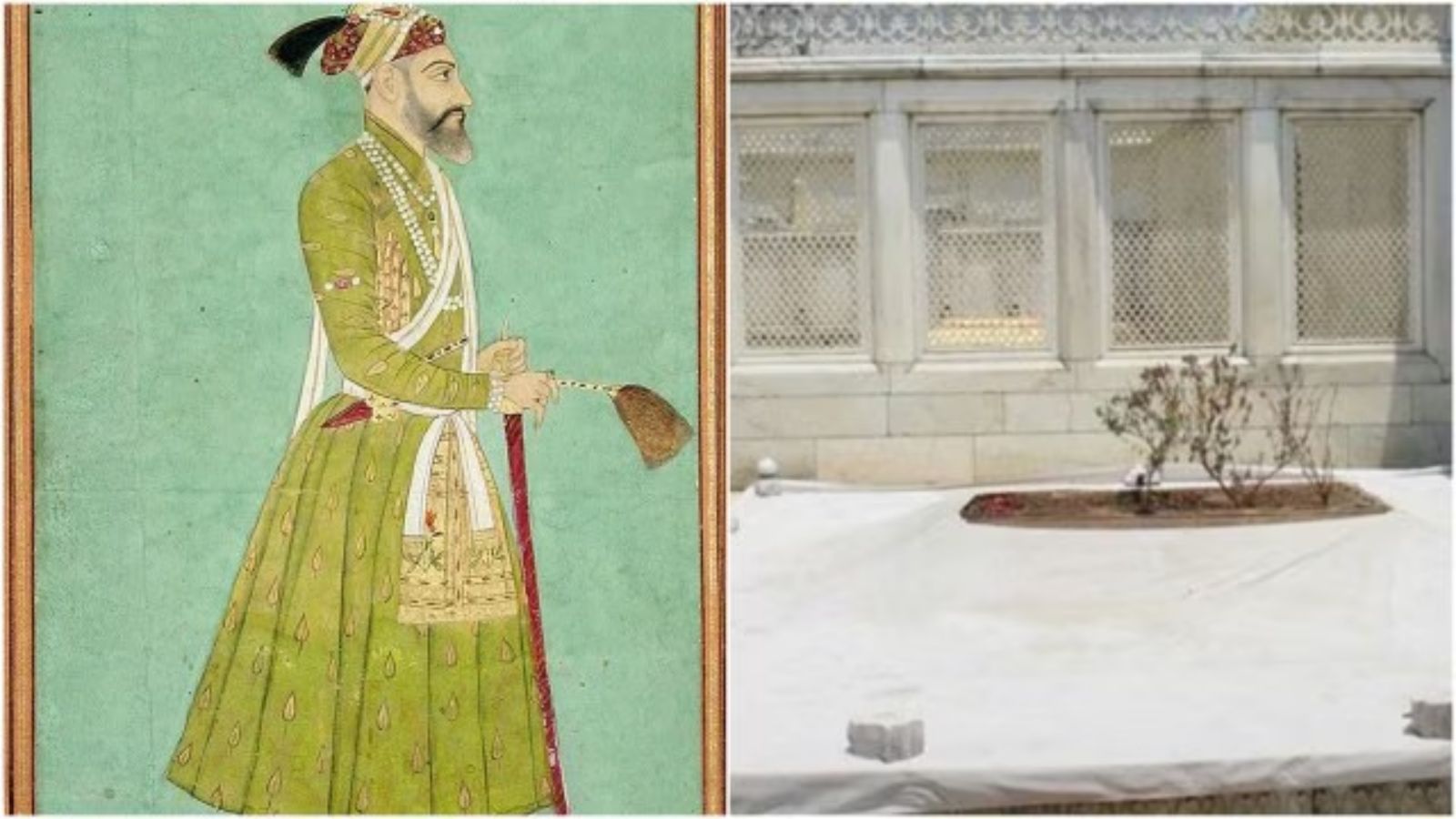
Munis D Faruqui, a historian, has written a new book about Aurangzeb, the sixth Mughal emperor.
Aurangzeb is a controversial figure in Indian history, often seen as a villain who oppressed Hindus.
Faruqui's book aims to provide a more nuanced understanding of Aurangzeb by using never-before-used primary sources.
He argues that Aurangzeb's actions, such as imposing the jizya tax, were influenced by financial concerns rather than religious bigotry.
The book also explores Aurangzeb's life, harem, eunuchate, last days, and how he was remembered after his death.
Faruqui's work is a scholarly effort to understand Aurangzeb's complex legacy and invites other scholars to explore more about this historical figure.

Munis D Faruqui's new book re-examines Aurangzeb's life and legacy using never-before-used primary sources.
Aurangzeb is a polarizing figure in Indian history, often portrayed as a religious bigot who oppressed Hindus.
Faruqui argues that Aurangzeb's actions, such as imposing the jizya tax, were influenced by financial concerns rather than religious bigotry.
The book explores Aurangzeb's life, harem, eunuchate, last days, and posthumous memorialisation.
Faruqui's work aims to provide a more nuanced understanding of Aurangzeb and invites other scholars to explore more about this historical figure.
- Who
- Munis D Faruqui, a professional historian
- What
- A scholarly book re-examining the life and legacy of Aurangzeb
- When
- Published in 2023, based on research conducted over eight years
- Where
- India and the Mughal Empire
- Why
- To provide a fresh perspective on Aurangzeb, who has been a polarizing figure in the history of the Subcontinent
Traditional View
Revised Perspective
Aurangzeb's Religious Policies
Traditional View
Aurangzeb is seen as a religious bigot who oppressed Hindus, imposing the jizya tax to humiliate them.
Revised Perspective
Faruqui argues that Aurangzeb imposed the jizya tax on wealthy Hindus to address financial concerns, not to target their faith.
Aurangzeb's Reputation
Traditional View
Aurangzeb is often portrayed as a villain in Indian history, with both VD Savarkar and Jawaharlal Nehru agreeing on his negative impact.
Revised Perspective
Faruqui presents a more nuanced view, showing Aurangzeb as a complex figure whose piety and actions were influenced by political and personal factors.
- Author
- Munis D Faruqui
- Book Title
- Aurangzeb ‘Alamgir and the Mughal Empire
- Publication Year
- 2023
- Primary Sources
- Never-before-used primary sources
- Key Themes
- Aurangzeb's life, harem, eunuchate, last days, and posthumous memorialisation
- Historical Context
- 17th-century Mughal Empire
- Controversy
- Aurangzeb's polarizing figure in the history of the Subcontinent
- Target Audience
- Scholars and general readers interested in Mughal history