

Archive · 30 Jul 2026
Supreme Court Decides if Minister Can Serve Beyond Six Months
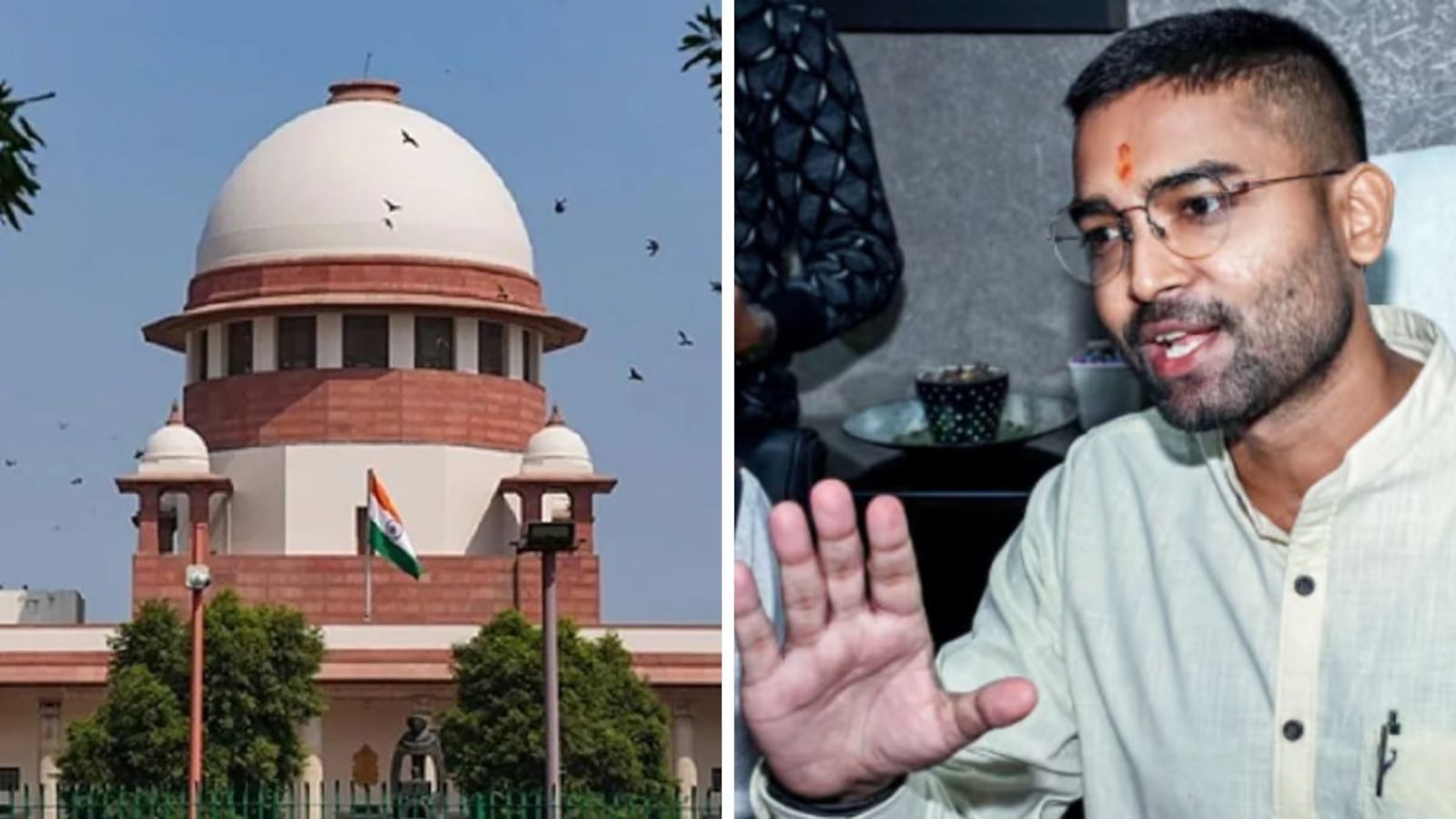
The Supreme Court is looking at a question about a minister in Bihar named Deepak Prakash.
He was not elected to the state legislature but was still a minister.
The law says a minister must be elected within six months or they must step down.
Prakash was a minister for a little over four months, then left for 22 days, and then became a minister again.
Together, he has been a minister for more than six months without being elected.
The court will decide if the six‑month rule can be counted again after he leaves or if it must be counted all together.
The case is important because it could change how ministers are chosen in India.

Supreme Court hearing petition over Bihar minister Deepak Prakash serving beyond six‑month grace period without being elected.
Article 164(4) allows a six‑month grace for ministers to get elected; if not, they must resign.
Prakash served 4 months 26 days under former CM Nitish Kumar, then 22 days out, then reappointed by CM Samrat Choudhary, totaling over six months aggregate.
Petition claims his appointment is a "fraud upon the Constitution" and seeks invalidation.
Court will determine if grace period can be reset or applied cumulatively across separate terms.
- Who
- Bihar minister Deepak Prakash and the Supreme Court of India
- What
- Legal challenge over his continued office beyond the six‑month grace period without being elected
- When
- Petition filed May 30, 2026; hearing scheduled for Thursday
- Where
- Bihar, India
- Why
- To determine if Article 164(4) allows cumulative grace periods or a reset after resignation
- Case
- Deepak Prakash ministerial tenure challenge
- Petition filed
- May 30, 2026
- Supreme Court hearing
- Thursday
- Article 164(4) grace period
- Six months
- Current aggregate tenure
- Over six months
- Ministers involved
- Deepak Prakash, Nitish Kumar, Samrat Choudhary