

Archive · 2 Dec 2025
Learning New Languages May Slow Brain Ageing
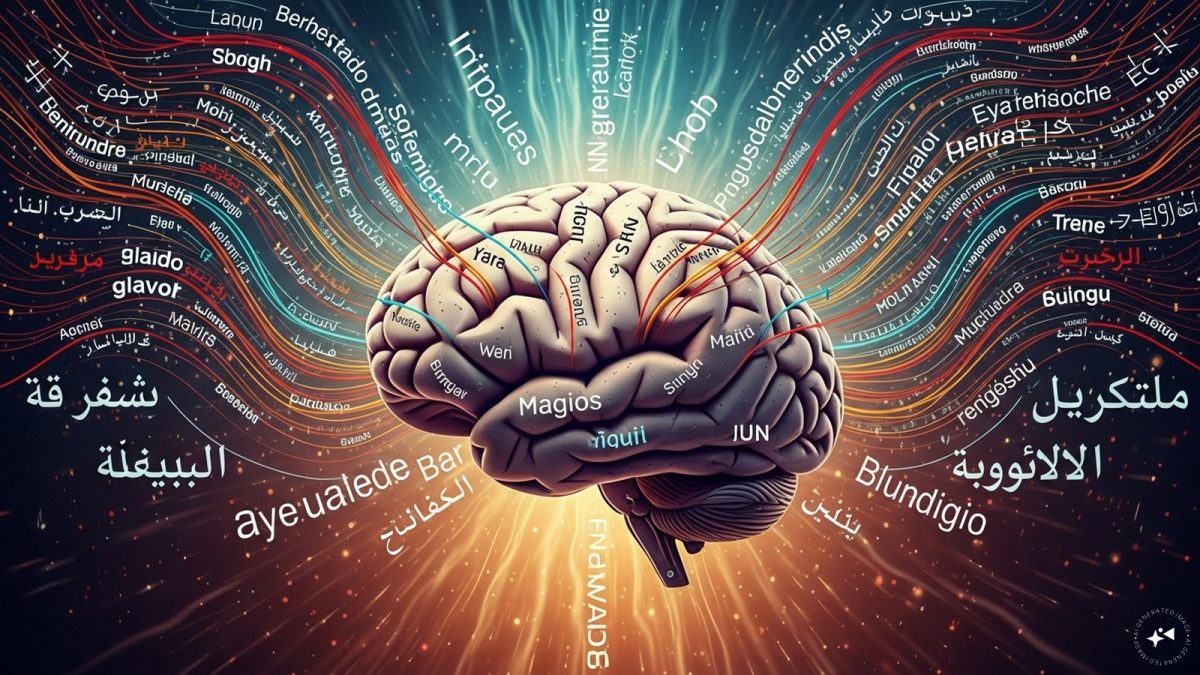
A big study with over 86,000 adults from 27 European countries found that speaking more than one language might help your brain stay younger for longer.
The study used a special way to measure how old people's brains and bodies are compared to their actual age.
They found that people who speak more languages tend to have brains that age more slowly.
This is especially true for people in their 70s and 80s.
Doctors say that using multiple languages keeps parts of your brain active and strong, which can help you remember things better and think more clearly as you get older.
Even if you start learning a new language later in life, it can still help your brain stay healthy.

A large-scale study published in Nature Aging found that multilingualism may slow down brain ageing.
The study involved 86,149 healthy adults aged 51-90 across 27 European countries.
Multilingual individuals showed a slower ageing pattern, with each additional language providing more protection.
The strongest effects were observed in adults in their 70s and 80s, showing cognitive resilience.
Neurologists explain that multilingualism strengthens brain regions responsible for attention, inhibition, and task switching.
- Who
- 86,149 healthy adults aged 51-90 across 27 European countries
- What
- A study on the effects of multilingualism on brain ageing
- When
- Published in November 2025
- Where
- 27 European countries
- Why
- To understand how multilingualism affects cognitive and biological ageing
- Study Published
- Nature Aging, November 2025
- Participants
- 86,149 healthy adults aged 51-90
- Countries Involved
- 27 European countries
- Key Metric
- Biobehavioural age gap
- Strongest Age Group
- 70s and 80s
- Brain Regions Affected
- Prefrontal cortex, anterior cingulate cortex, inferior parietal lobule, basal ganglia
- Neurologists
- Dr. Kunal Bahrani, Dr. Puja Kapoor