

Archive · 25 Jun 2025
Femtech Apps Harvest Data with Privacy Risks: Report Finds
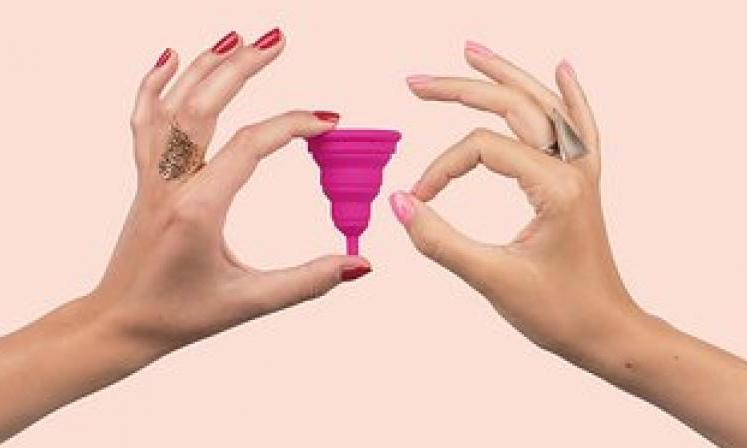
Some apps that track women's periods collect a lot of private information.
They ask about things like sex, feelings, and even political opinions.
This data is sometimes sold, which can lead to problems like annoying ads, online stalking, or trouble getting jobs.
Experts say it's important for these apps to be clear about what they do with the data and to protect people's privacy.
It's like when you tell someone a secret, you expect them to keep it safe.
These apps need to do the same.

Menstrual tracking apps collect vast amounts of personal data.
Apps gather data on topics like sexual activity, mental health, and political views.
User data is often sold to third parties, potentially for profit.
Consequences include targeted ads, cyberstalking, and discrimination.
Experts call for more transparency and privacy protection in the femtech sector.
- Who
- University of Cambridge's Minderoo Centre for Technology and Democracy, users of femtech apps, digital rights experts.
- What
- Report on privacy risks associated with menstrual tracking apps.
- When
- Not explicitly mentioned in the provided article.
- Where
- Report findings discussed; impact is global.
- Why
- To raise awareness about the privacy risks and urge for better regulations.
Digital Rights Advocates
Users Seeking Personalized Ads
Privacy vs. Personalized Experience
Digital Rights Advocates
Privacy for those who want it should be guaranteed.
Users Seeking Personalized Ads
Some users are okay with receiving targeted ads.
- Report Source
- University of Cambridge’s Minderoo Centre for Technology and Democracy
- Apps Discussed
- Menstrual tracking/cycle tracking apps (CTAs)
- Data Collected
- Cycle dates, contraception, pregnancy, fantasies, mental health, and political views
- Data Use
- Targeted ads, potential for discrimination
- Expert Perspective
- Calls for more transparency and data protection