1 week ago
Lebanon Seeks New IMF Agreement After Banking Reforms

Lebanon is trying to get more financial help from the International Monetary Fund.
The country’s financial system collapsed after years of heavy spending and alleged corruption.
Lebanon agreed to reforms with the IMF in 2022 but was slow to carry them out.
The government recently passed a law to restructure banks.
Lebanon’s finance minister said this showed that the government was serious about reform.
However, another law is still needed to decide who will pay for the huge financial losses.
The losses affect the government, the central bank, commercial banks and people whose savings are frozen.
A smaller agreement may come soon, but a larger loan program would need more work and approval by the IMF board.

Lebanon’s finance minister said the country wants a new staff-level agreement with the International Monetary Fund.
Finance Minister Yassine Jaber met IMF Managing Director Kristalina Georgieva in Washington on Monday.
Lebanon passed a banking restructuring law that the IMF welcomed in August.
A full IMF program depends on parliament passing a financial gap law to allocate losses from the 2019 financial crisis.
Sources differed on timing, saying a staff-level agreement could come as soon as Monday or by the end of the year.
- Who
- Lebanon, Finance Minister Yassine Jaber, and the International Monetary Fund, led by Managing Director Kristalina Georgieva.
- What
- Lebanon is seeking a new staff-level agreement and eventually a full IMF program involving potential loans.
- Where
- Jaber met Georgieva in Washington.
- When
- The report was published on September 28; Jaber met Georgieva on Monday, with sources differing on whether an agreement could come immediately or by year-end.
- Why
- Lebanon wants support after its financial crisis and says it has advanced reforms, but it must still pass a financial gap law addressing the crisis losses.
Key facts
- First IMF staff-level agreement
- Lebanon signed one in April 2022.
- Banking reform
- Parliament passed a bank restructuring law, which the IMF welcomed in August.
- Remaining legislation
- A financial gap law must be passed before a full IMF program can proceed.
- Estimated losses
- The government estimated the losses at about $70 billion in 2022, with the amount likely higher now.
- Affected parties
- Losses would be distributed among the state, central bank, commercial banks and depositors.
- Depositor impact
- Many depositors remain unable to access their savings and could gradually recover their money under the planned approach.
- Program approval
- A full IMF program would take longer because it requires approval by the IMF board.
Quotes

Yassine Jaber
Lebanon’s finance minister
“Lebanon has accomplished a phase; it passed the banking restructuring law, which was of course a very important message to the Fund and to the world that the parliament and the Lebanese government are serious about reforms,”
 theprint.in
Sources
Related news
Colombia Faces Fiscal Hurdles in Seeking IMF Support

Fitch upgrades Sri Lanka rating as finances stabilize, risks remain
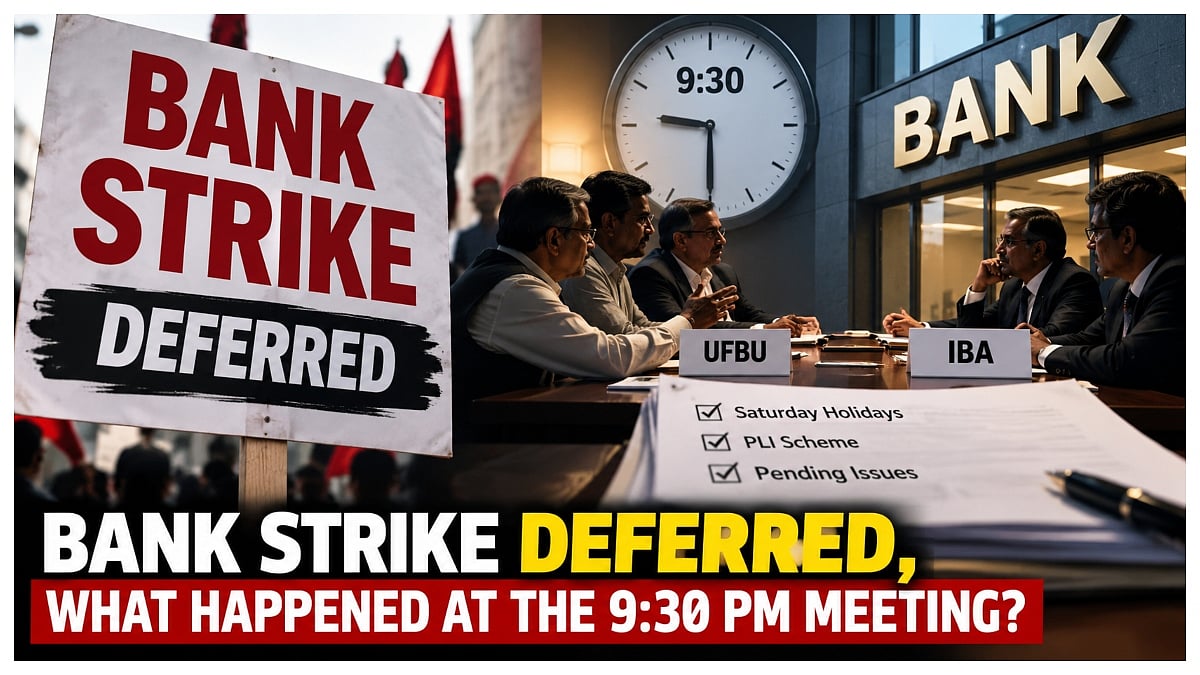
Bank Strike Deferred After Late-Night IBA-UFBU Talks
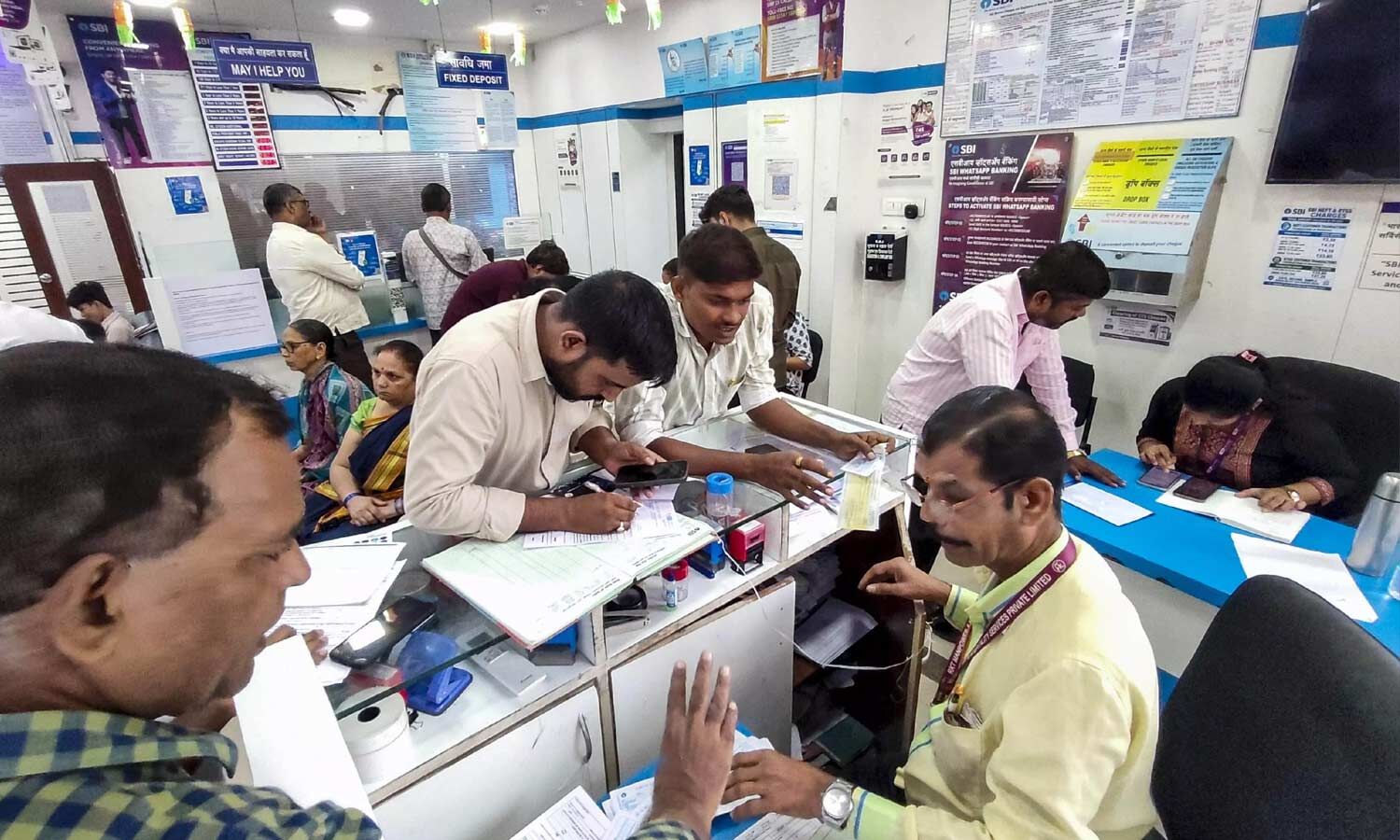
Bank Unions Defer Three-Day Strike After Late-Night IBA Talks

Finance Ministry Clarifies Five-Day Bank Week Before Strike
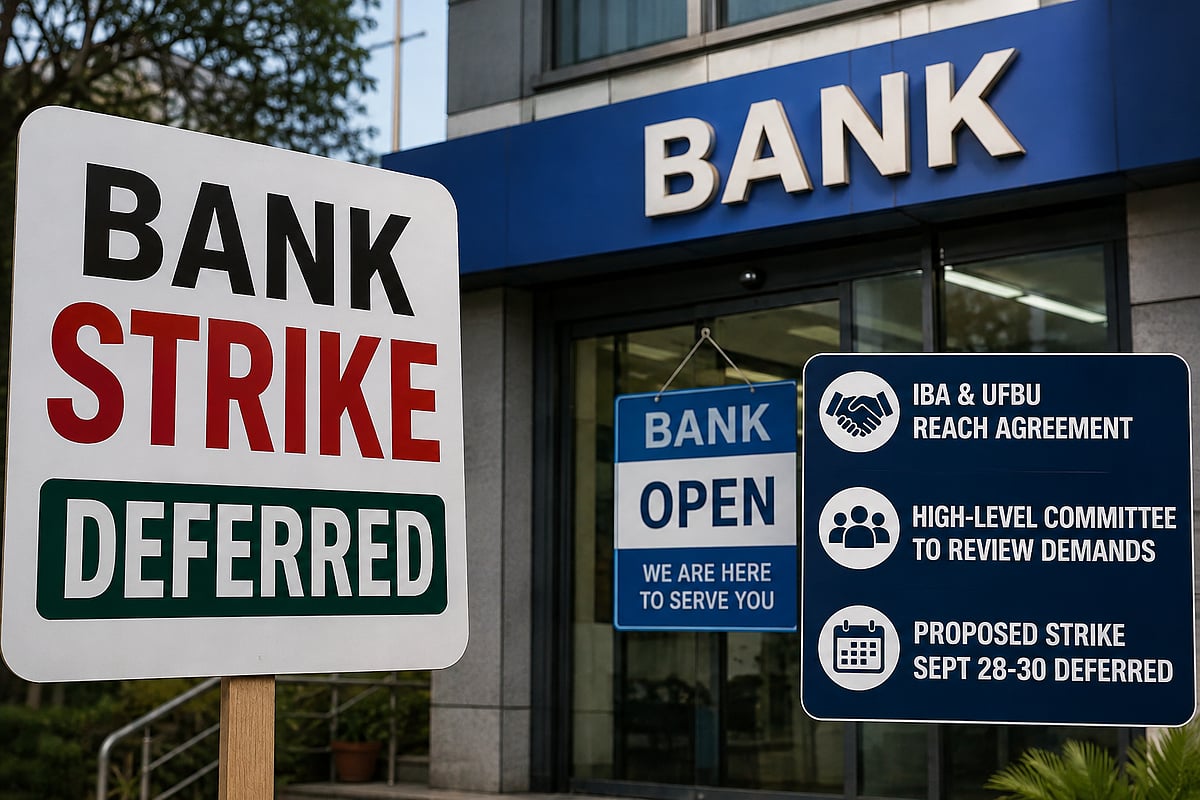
Nationwide Bank Strike Deferred After IBA-UFBU Talks Reach Agreement