

Archive · 21 Jun 2025
Sickle Cell Disease in India: Challenges and Treatment
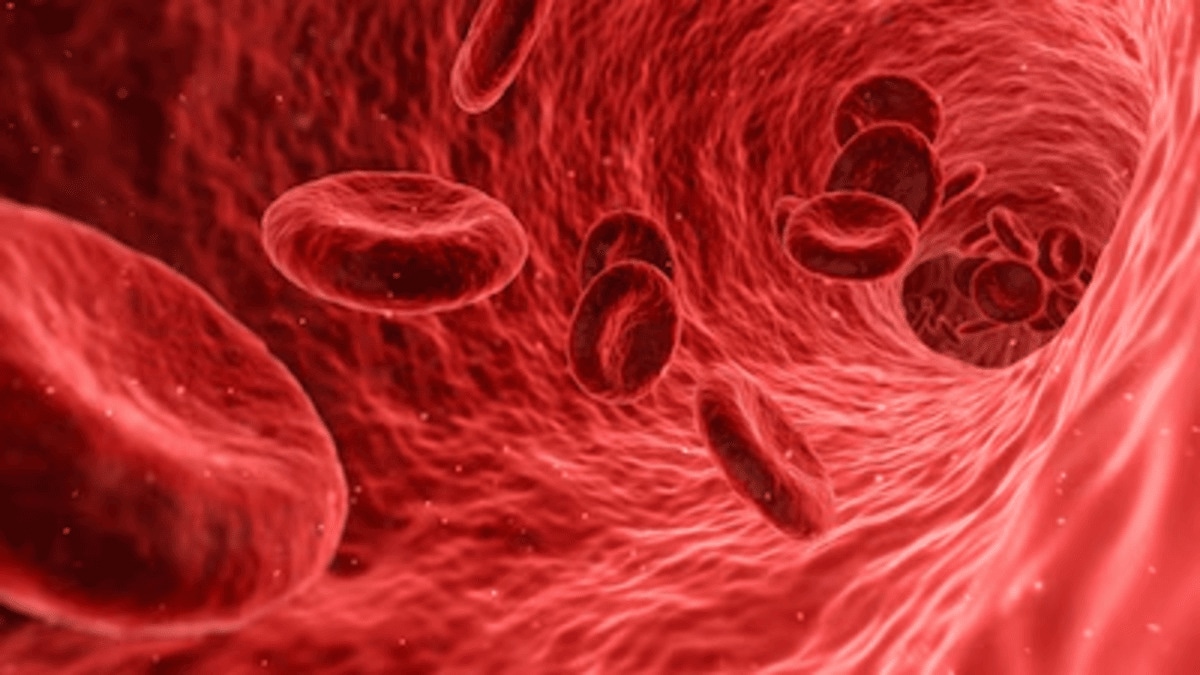
Sickle cell disease (SCD) is a blood problem affecting many kids in India.
It can lead to strokes, which can be hard to spot.
Kids with SCD might have pain and get sick more easily.
Doctors help by giving medicine, like hydroxyurea, and teaching kids how to stay healthy.
Some kids with very serious problems can get a special treatment called a bone marrow transplant.
The sooner SCD is treated, the better kids can feel and live long, healthy lives.

Sickle cell disease (SCD) is an under-recognized genetic condition in India with long-term health effects.
SCD can cause both overt and silent strokes in children, potentially impacting learning and behavior.
Early signs of SCD include pallor, delayed growth, hand-foot swelling, and frequent pain episodes.
Pain crises can lead to organ damage; hydroxyurea can help reduce these crises.
Bone marrow transplants offer a cure, but are only for a select group with severe complications.
- Who
- Children with sickle cell disease.
- What
- Sickle cell disease and its impact on children in India.
- When
- Symptoms emerge soon after 6-7 months for infants.
- Where
- India
- Why
- To understand the disease's effects and methods of intervention.
Expert Perspectives
Health Outcomes
Importance of Early Management
Expert Perspectives
Early diagnosis and treatment of pain crises are key.
Health Outcomes
Long-term organ damage can result from frequent pain crises.
- Primary Issue
- Sickle Cell Disease (SCD)
- Stroke Risk
- Increased in children with SCD
- Early Symptoms
- Pallor, delayed growth, hand-foot swelling, pain
- Treatment
- Hydroxyurea, Bone Marrow Transplant (BMT)
- Hydroxyurea effect
- Reduced pain crises, extended life expectancy
- BMT Eligibility
- Severe SCD complications and matched sibling donor