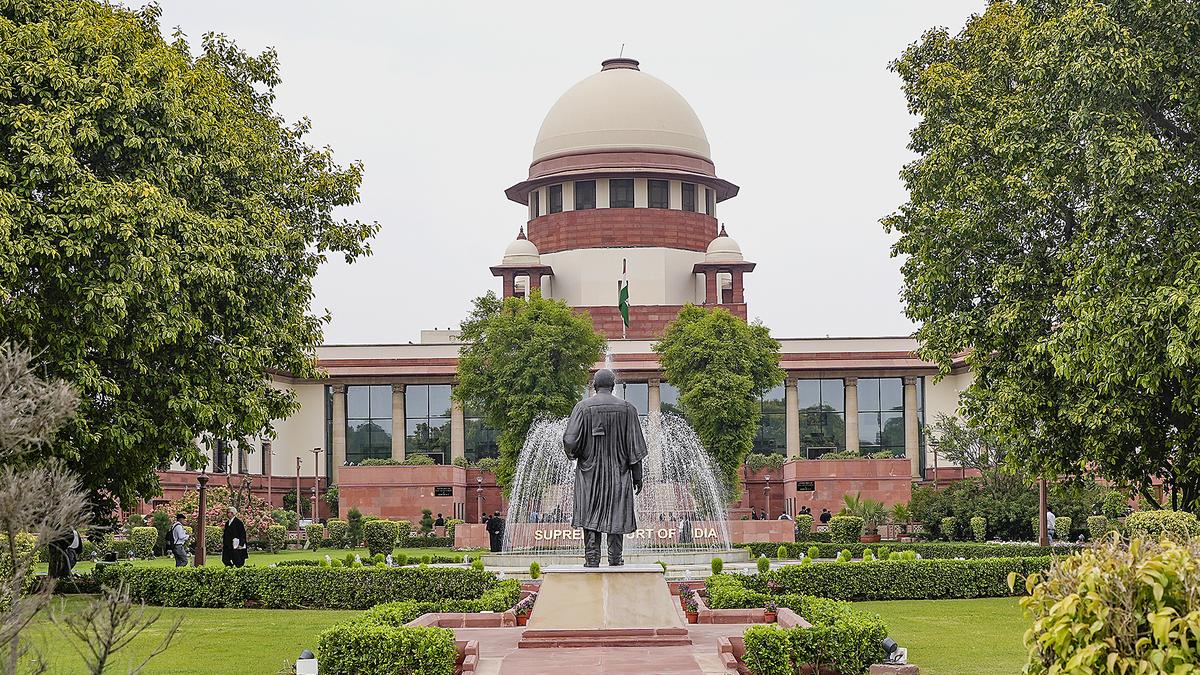
Archive · 20 May 2025
SC: No Year Jail for Bail in Liquor Scam Case
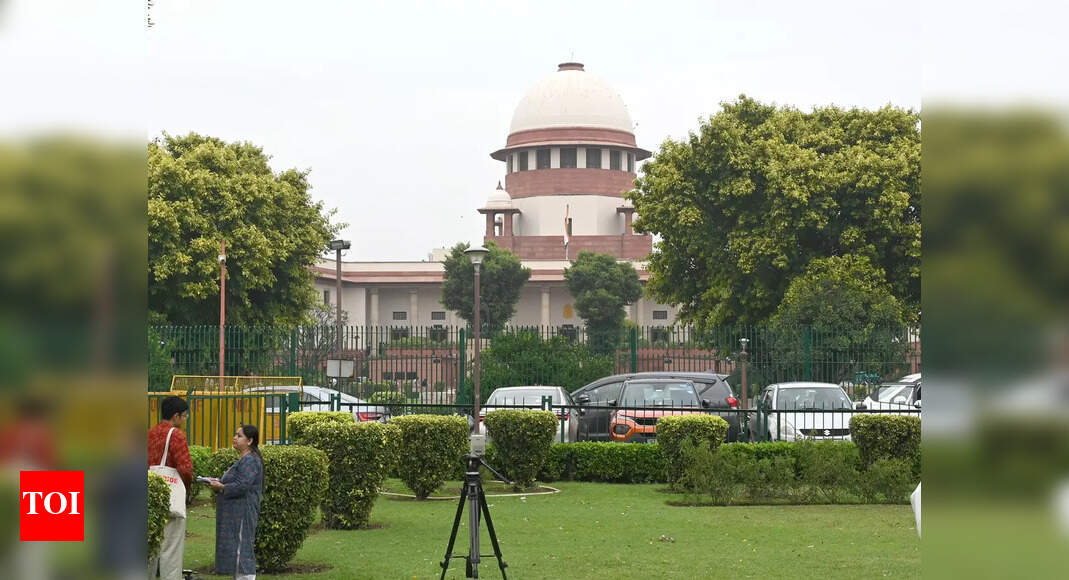
The Supreme Court decided that people accused of money laundering don't automatically have to stay in jail for a whole year before they can be released on bail.
They let a man named Anwar, who was part of a liquor scam, go free.
The government lawyers disagreed, wanting him to wait a year.
The court said there was no rule and that the trial might take a long time to finish because there were so many witnesses.

The Supreme Court ruled that a year in jail isn't a requirement for bail in money laundering cases.
The court granted bail to businessman Anwar Dhebar in the Chhattisgarh liquor scam.
Dhebar was arrested in August 2024 and spent over nine months in custody.
The Enforcement Directorate (ED) argued against the bail, but the court disagreed.
The court cited the maximum punishment of seven years and the likelihood of a delayed trial.
- Who
- The Supreme Court granted relief to Anwar Dhebar, an accused in the Chhattisgarh liquor scam.
- What
- The Supreme Court granted bail to Anwar Dhebar, accused in the Chhattisgarh liquor scam.
- When
- May 20, 2025
- Where
- Supreme Court, New Delhi.
- Why
- The court found no rule requiring a year in jail for bail eligibility, noting a lengthy trial ahead.
Supreme Court
Enforcement Directorate (ED)
Bail Eligibility
Supreme Court
Accused are not required to spend a year in jail before being granted bail.
Enforcement Directorate (ED)
Accused in money laundering cases should spend at least a year in jail before being granted bail.
- Case
- Chhattisgarh liquor scam
- Accused Granted Bail
- Anwar Dhebar
- Custody Length
- Over nine months
- Court's Ruling
- No mandatory one-year jail time for bail
- Maximum Punishment
- 7 years