

Archive · 19 Jan 2026
Yunus Urges 'Yes' Vote for Bangladesh Reforms
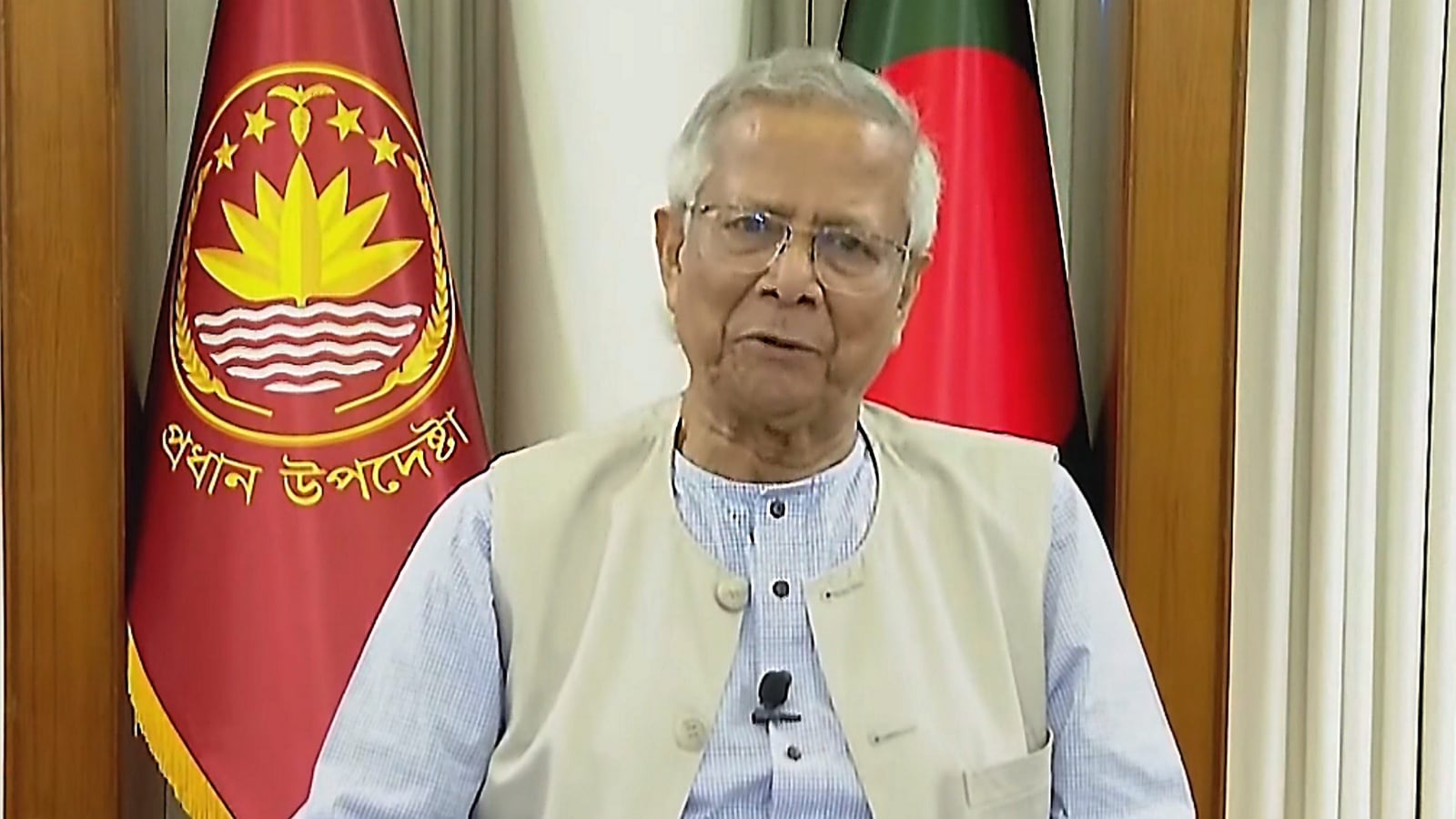
Muhammad Yunus, the interim leader of Bangladesh, is asking people to vote 'yes' in an upcoming referendum.
This vote is about a set of big changes called the July National Charter-2025.
These changes include limiting the prime minister to 10 years in office, making the courts independent, and creating a new upper house in the government.
Yunus says these changes will make the country fairer and stop people from being treated badly.
The vote is on February 12, the same day as the general elections.
Some political parties and legal experts have questions about the referendum, saying it might not be legal under the current constitution.
But the government is still encouraging people to vote 'yes' to create a 'new Bangladesh'.

Muhammad Yunus urges a 'yes' vote for the July National Charter-2025 reform package in the upcoming referendum on February 12.
Key reforms include a 10-year term limit for the prime minister, an independent judiciary, and a bicameral parliamentary system.
The government is campaigning for a 'yes' vote, while some political parties and legal experts question the referendum's legitimacy.
The ballot features a single 'yes/no' question covering all reform areas, which critics find complex for voters.
The National Citizen Party, supported by Yunus, is actively campaigning for a 'yes' vote despite not signing the charter.
- Who
- Muhammad Yunus, interim government chief of Bangladesh
- What
- Urging a 'yes' vote for a reform package in an upcoming referendum
- When
- Referendum on February 12
- Where
- Bangladesh
- Why
- To implement reforms including term limits, judicial independence, and a bicameral parliament
- Referendum Date
- February 12
- Reform Package
- July National Charter-2025
- Key Proposals
- 10-year PM term limit, independent judiciary, bicameral parliament, restricted presidential pardons
- Supporting Parties
- Bangladesh Nationalist Party (BNP), Jamaat-e-Islami (with dissent notes)
- Opposing Groups
- Legal experts, some political parties
- Voting Instructions
- Vote 'yes' to support reforms, 'no' to oppose