

Archive · 4 Oct 2026
Kerala Debt Reaches 35% of GSDP, Former Official Says
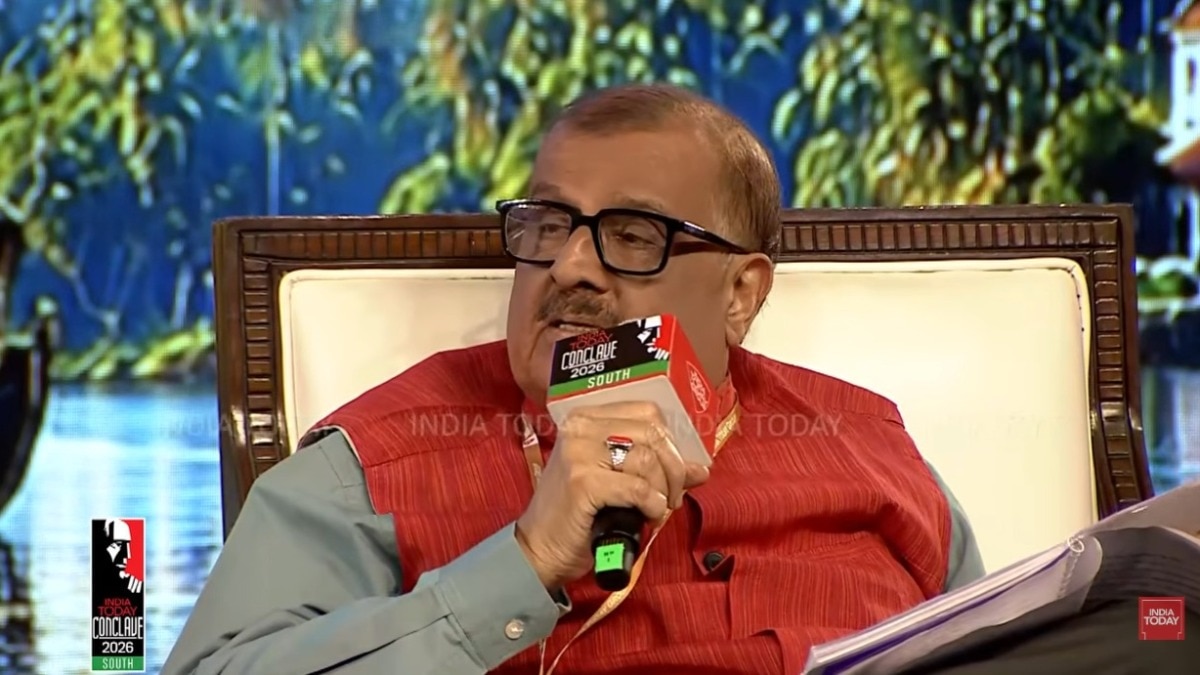
A former senior government official says Kerala’s government has a serious debt problem.
He said the state owes an amount equal to 35% of its economy, the highest share among Indian states.
He explained that borrowing is not always bad, but the money should help create income that can repay the debt.
He warned against using borrowed money for spending that does not bring a return.
He also pointed to pensions, low investment in infrastructure, unemployment, and slower growth as challenges.
Kerala wants more time to reduce its borrowing gradually.
The official said the central government should discuss a gradual plan with states facing financial trouble.
He said Kerala should not leave its debt burden to future generations.

Former Union Cabinet Secretary Chandrasekhar said Kerala's public debt has risen to 35% of GSDP, the highest among states.
He said the state government’s finances are in difficulty, while Kerala as a state is not in equally poor condition.
Kerala’s capital expenditure was 1.34% of GSDP, compared with 3.01% for all states, according to Chandrasekhar.
He cited slower-than-national growth in Kerala’s economy and services, as well as unemployment of 29.8% versus 12.5% nationally.
Chandrasekhar said debt should be used productively and asked the Centre to consider a gradual debt-reduction path for states.
- Who
- Chandrasekhar, a former Union Cabinet Secretary and Vice Chairman of the Kerala State Planning Board.
- What
- He described Kerala’s government finances and debt as serious problems and called for debt to be reduced gradually.
- When
- He made the remarks while speaking at the India Today South Conclave; the article says he was appointed Vice Chairman in July 2026.
- Where
- At the India Today South Conclave; the discussion concerned Kerala’s finances.
- Why
- He cited public debt of 35% of GSDP, low capital expenditure, pension costs, unemployment, and slower economic growth.
Kerala’s position
Central borrowing framework
How quickly states should reduce debt
Kerala’s position
Chandrasekhar said Kerala should reduce debt gradually and asked the Centre to work with financially troubled states on a phased path.
Central borrowing framework
The Centre sets a 3% borrowing limit for states; the article does not report a specific response from the Centre to Kerala’s request.
Different fiscal targets
Kerala’s position
Chandrasekhar argued that conditions imposed on states should also be applied to the Centre and noted Kerala’s request for a gradual path.
Central borrowing framework
He said the Centre’s fiscal deficit target is 4.3%, compared with a 3% borrowing limit for states.
Use of borrowing
Kerala’s position
Chandrasekhar said borrowing itself is not necessarily a problem if it is used productively to generate income.
Central borrowing framework
He warned that borrowing for revenue expenditure or areas with no return creates a serious problem.
- Kerala public debt
- 35% of GSDP, described by Chandrasekhar as the highest among states.
- Capital expenditure
- Kerala: 1.34% of GSDP; all states: 3.01%.
- Real GSDP growth
- Kerala grew 5.15% from 2015-16 to 2024-25, compared with a national average of 5.9%.
- Manufacturing growth
- Kerala: 13%; national: 17.5%, over the period cited.
- Unemployment rate
- Kerala: 29.8%; national: 12.5%, according to Chandrasekhar.
- Borrowing limits and targets
- Chandrasekhar said the Centre sets a 3% borrowing limit for states and has a 4.3% fiscal deficit target.
- Retirement age
- Kerala’s retirement age is 56, according to the article.