Archive · 26 Sep 2025
Animal Color Strategies: Camouflage vs. Warning
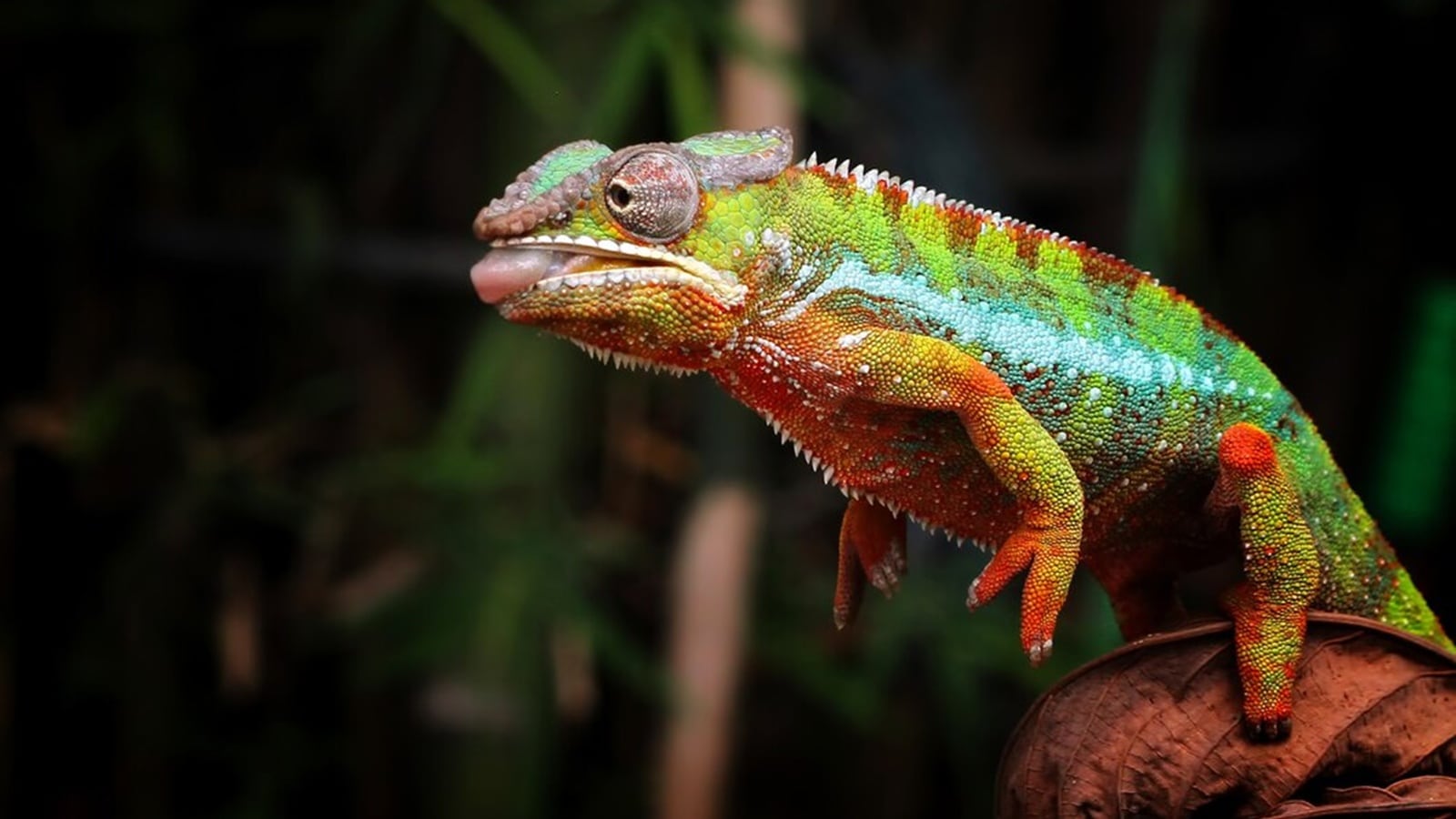
Animals use colors in different ways to survive.
Some hide using camouflage, like blending in.
Others use bright colors to warn predators they're not tasty, a strategy called warning coloration.
Scientists studied these strategies in many places, using paper moths to see what colors predators avoid.
They found that there's no single best strategy.
The local predators, the amount of light, and how common the prey are all affect which color works best.
In areas with many predators, camouflage often works better.
If predators know about the camouflaged prey, it becomes less effective.

Animals use camouflage and warning coloration for survival.
A study tested camouflage and warning coloration across 16 countries.
Researchers deployed 15,000 paper moths of varying colors.
Predator presence and environmental factors impact color effectiveness.
Camouflage success relies on hiding and light levels, while warning colors benefit from predator recognition.
- Who
- Animals with camouflage or warning coloration
- What
- The effectiveness of camouflage and warning coloration
- When
- Ongoing, a result of evolutionary adaptation and research.
- Where
- Various forests across 16 countries.
- Why
- To understand the factors that make each strategy successful.
- Primary Strategies
- Camouflage & Aposematism (Warning Coloration)
- Research Focus
- Factors determining success of each strategy
- Study Method
- Deployed 15,000 paper moths with different colors as prey
- Location
- 16 countries worldwide
- Key Finding
- No single 'best' strategy; success depends on environment
- Environmental Factors
- Predator presence, light levels, prey familiarity