

Archive · 30 Jul 2026
Supreme Court Sets Public Interest Test for Retroactive Clearances
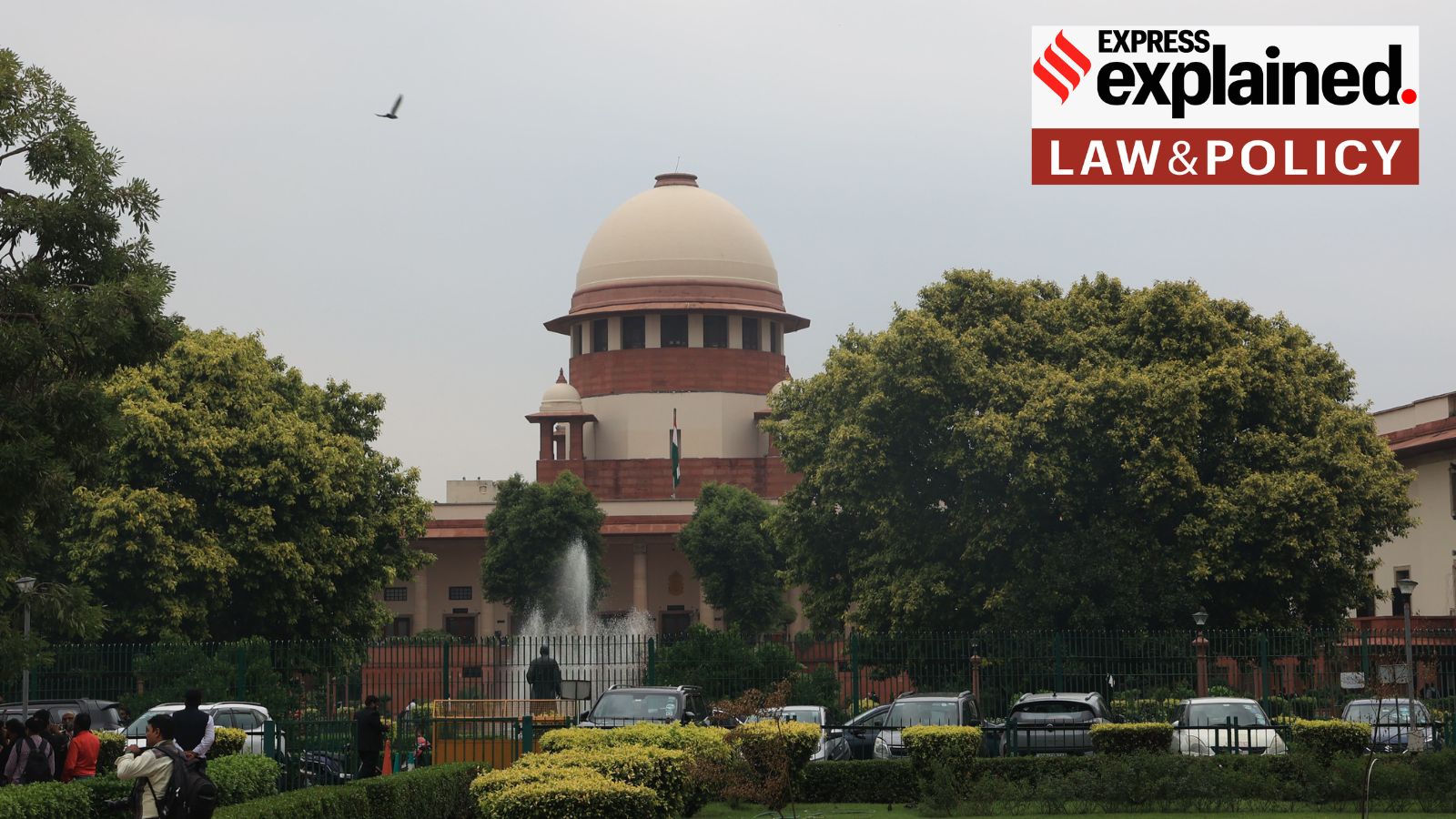
The Supreme Court of India decided that the government cannot give blanket retroactive environmental clearances to projects that started without permission.
It said that only a very limited, one‑time amnesty can be allowed if it is needed for the public good.
The court said that the 2021 order that let many projects get clearances after they started was wrong.
It kept the 2017 one‑time amnesty, which let projects apply for clearance for six months.
The decision means that future amnesty must be very narrow and justified by public interest.
It also says that a government order is not the same as a law made by Parliament.
The ruling affects more than 100 projects, including mines, steel plants, and an airport.
The court wants to make sure that projects get permission before they start to protect the environment.
This is a new rule that balances industry needs with environmental safety.

Supreme Court struck down 2021 Ministry memorandum allowing blanket retroactive environmental clearances.
Court allows limited statutory amnesty only if narrowly tailored and justified by public interest.
Earlier 2017 one‑time six‑month amnesty remains valid; 2021 SOP deemed perpetual and invalid.
Decision differentiates between administrative orders (OM) and statutory notifications under the Environment Act.
Over 100 projects had received retroactive clearances before the ruling, spanning mining, steel, and infrastructure.
- Who
- Supreme Court of India
- What
- Struck down 2021 Office Memorandum and set a public‑interest test for retroactive environmental clearances
- When
- 29 July 2024
- Where
- India
- Why
- To prevent blanket retroactive approvals and ensure environmental protection
- Court
- Supreme Court of India
- Judgment Date
- 29 July 2024
- Affected Document
- 2021 Office Memorandum
- Validity of 2017 Notification
- One‑time amnesty remains valid
- Number of Projects Affected
- More than 100