

Archive · 11 Oct 2026
How PACs and Super PACs Shape U.S. Election Spending
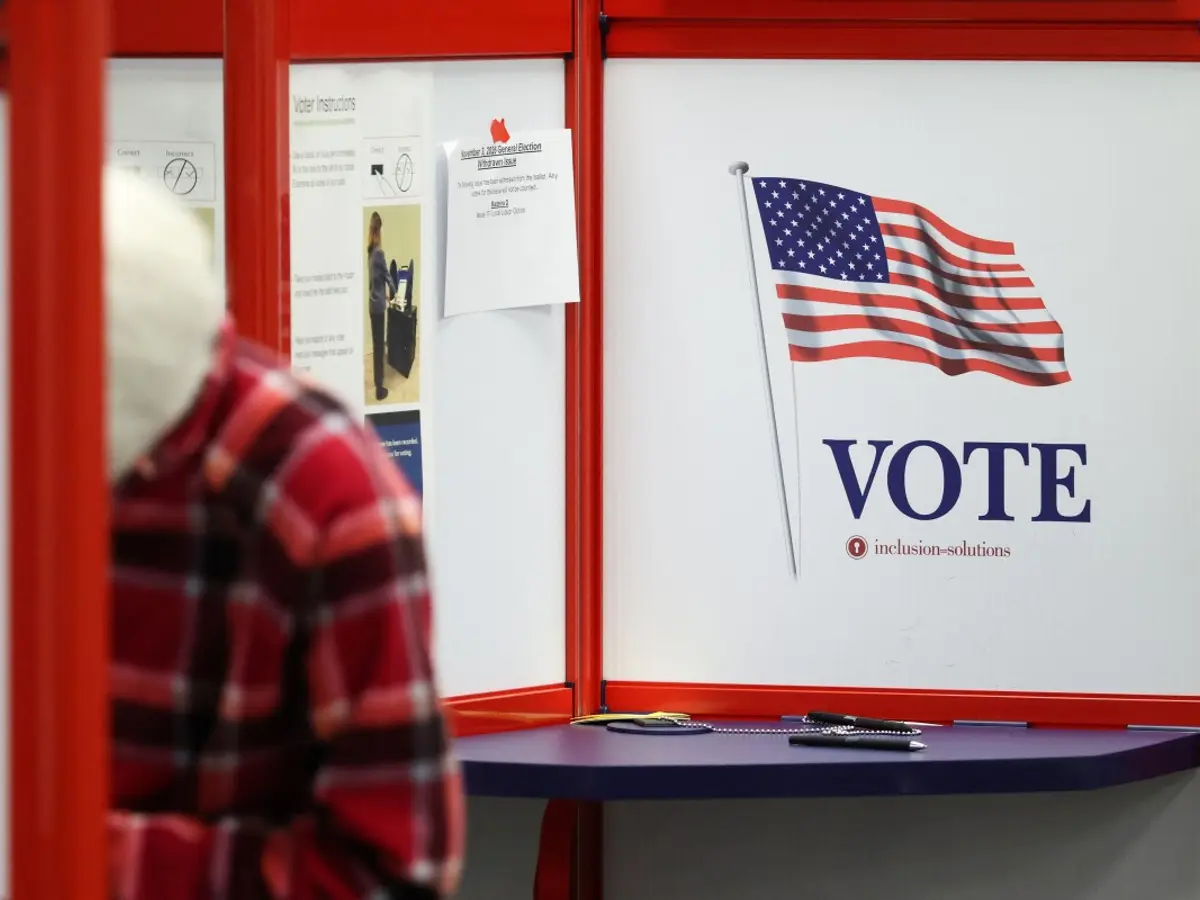
PACs are groups that collect money to influence elections.
They can spend that money to support or oppose candidates.
Traditional PACs can give a limited amount directly to a candidate’s campaign.
A qualified traditional PAC can give up to $5,000 per candidate in an election.
Super PACs work differently: they can raise unlimited money, including from corporations and unions.
But they cannot give money directly to candidates, and instead pay for independent messages or advertising.
Court rulings in 2010 helped create the rules that allow Super PACs.
The article says PACs alone contributed nearly $5.6 billion for the 2024 election.

Political Action Committees, or PACs, raise and spend money to support or oppose federal candidates.
Traditional PACs can give qualified multicandidate committees up to $5,000 per candidate per election.
Super PACs can accept unlimited contributions but cannot donate directly to candidates; they fund independent expenditures.
Super PACs emerged after the 2010 SpeechNow v. Federal Election Commission ruling, building on Citizens United v. FEC.
PACs and party committees raised over 75% of funds for the 2024 election; PACs alone contributed nearly $5.6 billion.
- Who
- Political Action Committees, including traditional PACs and Super PACs.
- What
- How PACs raise and spend money to influence U.S. federal elections.
- When
- The article discusses the 2024 election and rulings from 2010; it reports Super PAC totals through March 2026.
- Where
- The United States.
- Why
- PACs raise and spend money to support or oppose candidates, ballot initiatives, or legislation.
- Traditional PAC limit
- A qualified multicandidate PAC can give up to $5,000 per candidate per election.
- Qualification requirements
- Registration for at least six months, at least 51 contributors, and donations to five or more federal candidates.
- Super PAC contributions
- Super PACs can accept unlimited contributions from individuals, corporations, labour unions, and other PACs.
- Super PAC spending
- They fund independent expenditures and cannot give money directly to candidates.
- Super PAC count
- The Federal Election Commission counted 2,236 through March 2026.
- 2024 election fundraising
- PACs and party committees accounted for over 75% of funds raised; PACs alone contributed more than 65%, or nearly $5.6 billion.
- Legal turning point
- Super PACs emerged following the 2010 SpeechNow v. Federal Election Commission ruling, building on Citizens United v. FEC.