Archive · 12 Oct 2026
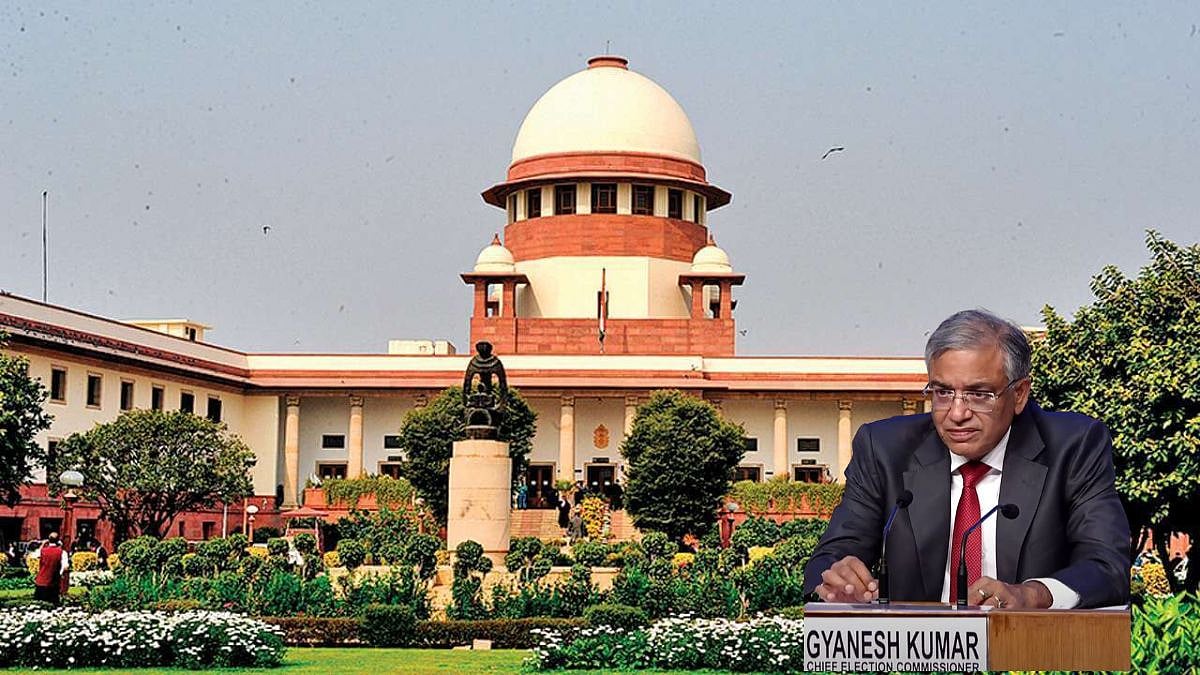
Supreme Court Orders Rights Protections During Delhi CEC Protest
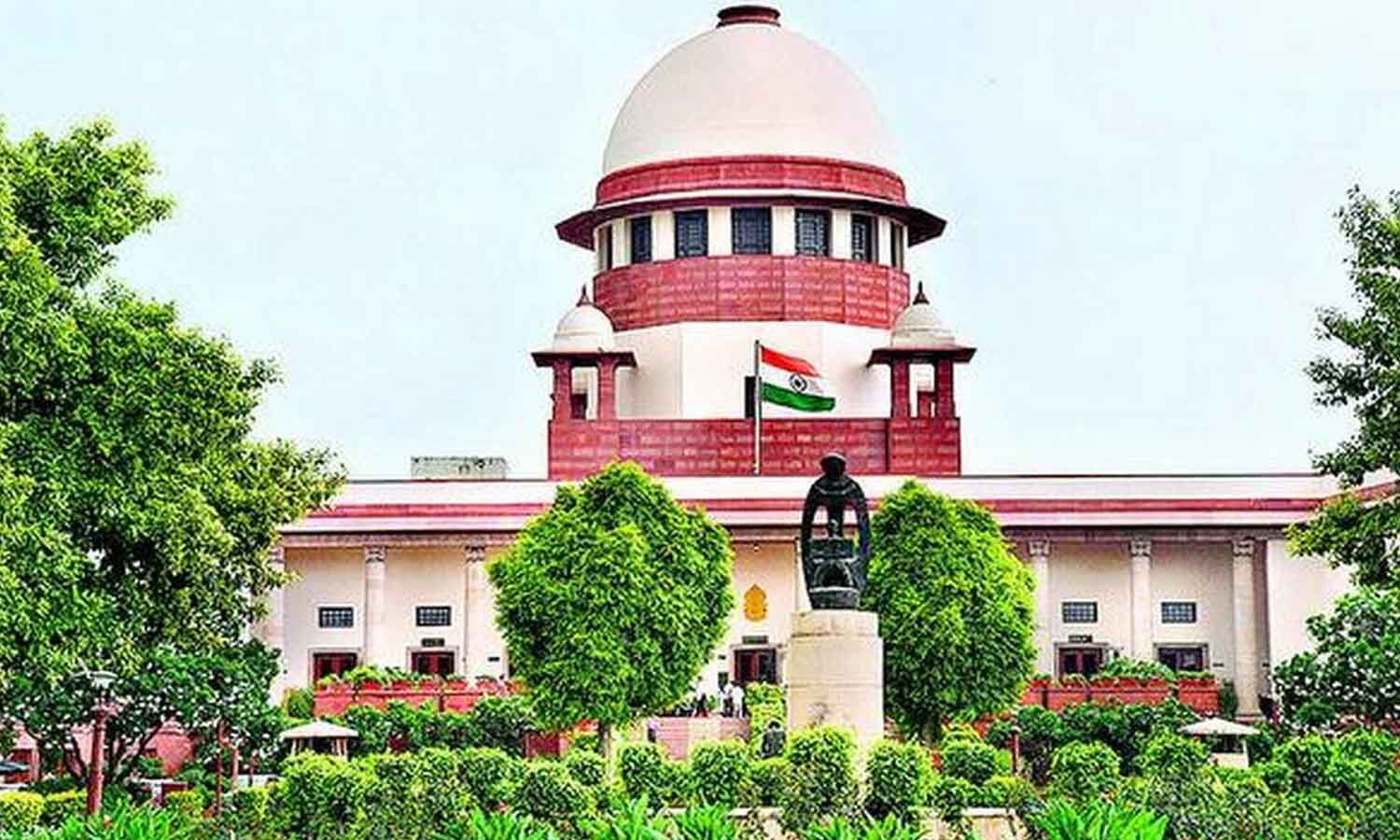
People in Delhi gathered to protest about the Election Commission and its chief, Gyanesh Kumar.
Lawyers and petitioners told the Supreme Court that protesters had been detained and that police had restricted movement and used force.
The government’s lawyer disputed some claims and said Metro services were running and detained people had been released.
The court gave temporary directions while it considers the complaints.
It said people should not be detained unless the law allows it.
Metro and train services should run normally, and internet access should remain available, unless public safety requires restrictions.
The court also said people should be able to move around and lawyers should be able to do their jobs.
Authorities must respond to the court by October 13.

On October 11, the Supreme Court issued interim directions after allegations of unlawful detentions and restrictions during Delhi protests over Chief Election Commissioner Gyanesh Kumar.
The court directed authorities not to detain people except according to law and to allow peaceful, unarmed assemblies outside areas covered by prohibitory orders.
It ordered Metro and railway services to operate normally, internet services to remain undisturbed, and people to move freely, subject to public-order and traffic requirements.
Lawyers and petitioners alleged police excesses, detentions, internet disruption and transport restrictions; Solicitor General Tushar Mehta said services were operating and detainees had been released.
The court issued notices to alleged contemnors and directed authorities to file responses and a compliance report by October 13.
- Who
- The Supreme Court, Delhi authorities, petitioners and lawyers, and people protesting against Chief Election Commissioner Gyanesh Kumar and the Election Commission of India.
- What
- The court issued interim directions on detentions, peaceful assembly, transport, internet access, movement and lawyers’ professional duties.
- When
- October 11; authorities were directed to file responses and a compliance report by October 13.
- Where
- Delhi, India.
- Why
- The court was responding to applications alleging that detentions and restrictions during October 10 protests violated its earlier directions and people’s rights.
Petitioners and lawyers
Government representatives
Detentions and police conduct
Petitioners and lawyers
Petitioners and lawyers alleged unlawful detentions and police excesses. Menaka Guruswamy cited reports of more than 7,000 detentions, while noting that the State had not disclosed official figures.
Government representatives
Solicitor General Tushar Mehta said the detained individuals had been released and argued that the habeas corpus petition might no longer survive. An advocate representing some Delhi Police officers said police officers had also faced brutality.
Metro and railway services
Petitioners and lawyers
Lawyers alleged that stations remained closed and that limits on Metro services impeded movement and violated the court’s earlier directions.
Government representatives
Mehta said Metro operations and the total volume of services had not been curtailed, citing 4,750 trains running on schedule on October 10. Accounts of his station figures differed: one said 45 of 303 were restricted, another 47.
Protest and public-order restrictions
Petitioners and lawyers
Petitioners sought protection for peaceful assembly, free movement, access to lawyers and removal of barricades and prohibitory orders they said were imposed beyond the designated area.
Government representatives
The court’s interim directions remained subject to public-order and law-and-order requirements. Mehta also said the directions did not curtail authorities’ powers under the Information Technology Act.
- Court sitting
- Special Sunday hearing on October 11
- Bench
- Justices Joymalya Bagchi and V. Mohana
- Protest location
- Jantar Mantar, Delhi
- Prohibitory order
- Section 163 of the Bharatiya Nagarik Suraksha Sanhita, 2023
- Transport direction
- Metro and railway services should operate normally, subject to public-order requirements
- Internet direction
- Internet services should remain undisturbed, subject to law and order
- Reported station restrictions
- Mehta said 47 of 303 Metro stations were closed or restricted; another account of his submission reported 45
- Response deadline
- October 13