

Archive · 17 Sep 2026
Federal Reserve Raises Rates Quarter Point Amid Persistent Inflation
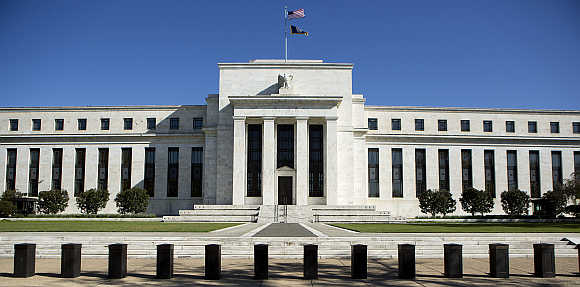
The Federal Reserve is the institution that helps guide interest rates in the United States.
It raised its main interest rate by a small amount called 25 basis points.
The new target range is 3.75% to 4%.
This was the first increase since 2023.
All 12 voting members supported the decision.
The Fed said prices are still rising more than it wants.
It hopes higher rates will help inflation return to 2%.
Investors had largely expected this increase before it was announced.

The Federal Reserve raised its benchmark interest rate by 25 basis points.
The federal funds target range increased to 3.75%–4%.
The decision was the Fed’s first rate increase since 2023.
The Federal Open Market Committee approved the move unanimously, 12–0.
The Fed said inflation remained elevated and reaffirmed its 2% inflation goal.
- Who
- The United States Federal Reserve and its Federal Open Market Committee made the decision.
- What
- The Fed raised its benchmark federal funds rate by 25 basis points, to a target range of 3.75%–4%.
- When
- The article does not provide a specific date; it says this was the first increase since 2023.
- Where
- The decision concerns United States monetary policy.
- Why
- The Fed said inflation remained elevated and that the increase would support a faster return to its 2% inflation goal.
- Rate increase
- 25 basis points, or one-quarter of a percentage point
- New target range
- 3.75%–4% for the federal funds rate
- Previous increase
- The first rate hike since 2023
- Vote
- Approved unanimously, 12–0
- Inflation goal
- The Fed is targeting 2% inflation
- Market expectations
- Traders had assigned more than a 90% probability to a 25-basis-point hike before the decision
- Reason cited
- Persistent inflationary pressures and changing economic conditions