Archive · 5 Jun 2025
Brain Tumours: Types, Causes, and Vulnerable Groups

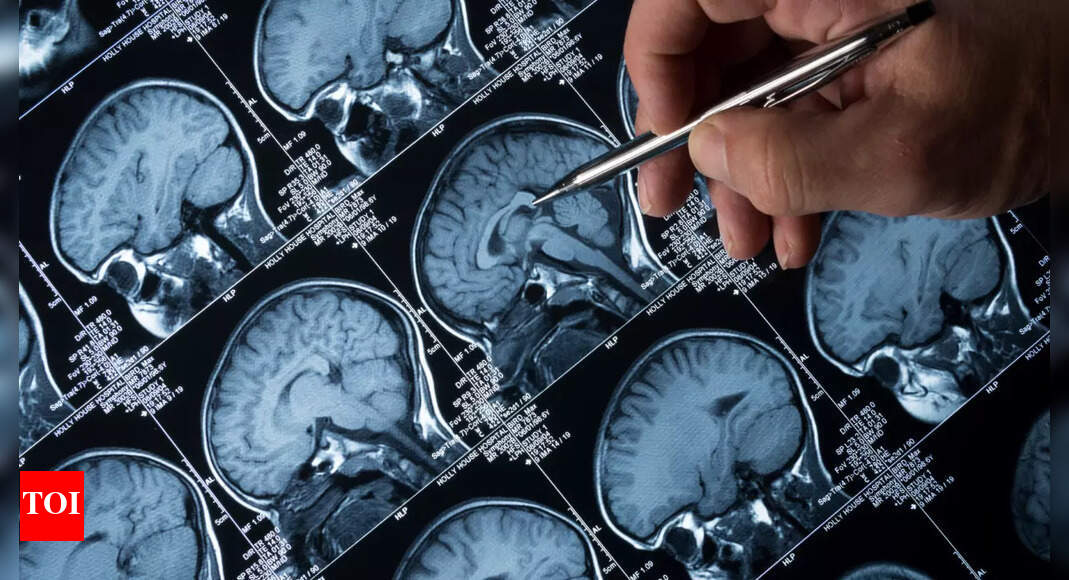
Imagine your brain has cells that sometimes grow in the wrong way, forming a lump called a brain tumour.
These can be 'good' (benign) or 'bad' (malignant).
'Bad' ones grow fast and can spread.
The reasons why these lumps form aren't always clear, but things like age, radiation, and some genes can increase the chance.
If you're over 50, were exposed to radiation, are overweight, have certain genetic conditions, or have a family history, you might be more likely to get one.
Early detection is important, and treatments vary based on the type of tumour.

Brain tumours are abnormal growths of cells that can be benign or malignant.
The exact causes of brain tumours are largely unknown, but genetics, environment, and lifestyle factors play a role.
The risk of brain tumors increases with age, particularly for those over 50.
Exposure to radiation can increase the risk of brain tumours.
Overweight individuals and those with certain genetic syndromes also face elevated risks.
- Who
- People over 50, those exposed to radiation, overweight individuals, those with genetic syndromes, and individuals with a family history of brain tumors.
- What
- Brain tumours are abnormal growths of cells in the brain, categorized as benign or malignant.
- When
- The risk of brain tumors increases with age, particularly for those over 50.
- Where
- Brain
- Why
- Exact causes remain unclear, but genetics, environment, and lifestyle factors influence risk.
Benign
Malignant
Treatment Approaches
Benign
Benign tumors may not require treatment if asymptomatic.
Malignant
Malignant tumours require active treatment and can recur after treatment.
- Types
- Benign and Malignant
- Risk Factors
- Age, Radiation Exposure, Obesity, Genetic Syndromes, Family History
- Common Benign Tumors
- Meningioma
- Common Malignant Tumors
- Glioblastomas