Archive · 21 Sep 2026
Trump and Netanyahu Curtail Trips as Middle East Tensions Escalate
Fighting and threats in the Middle East became more intense.
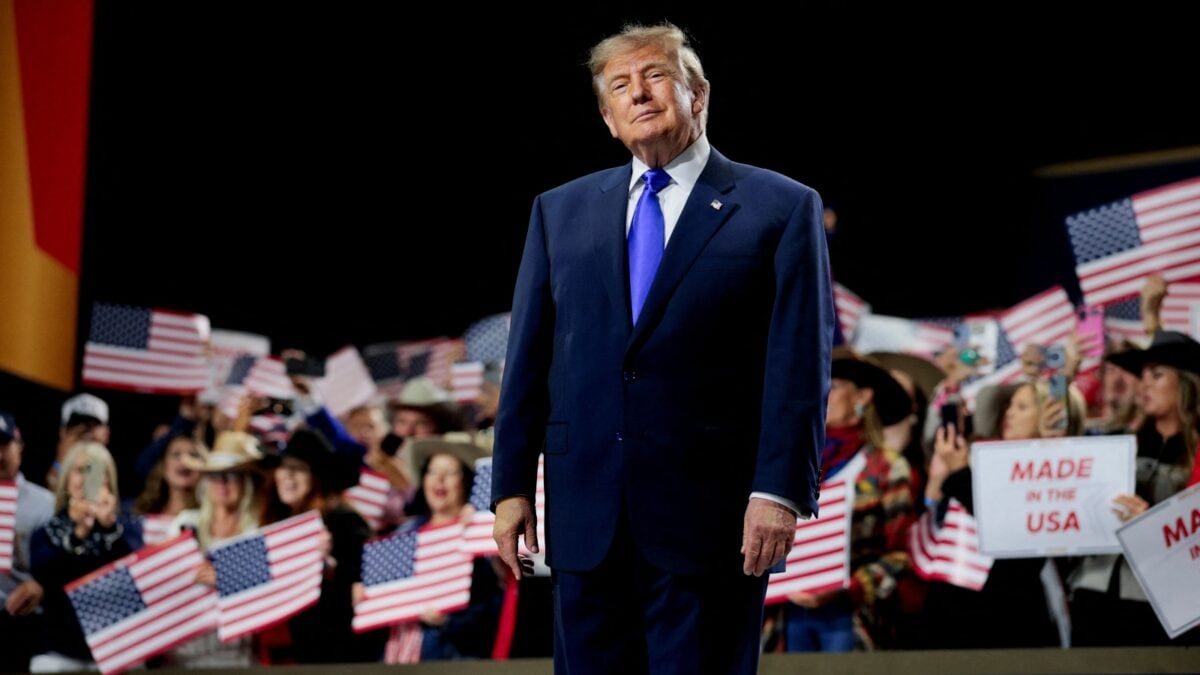
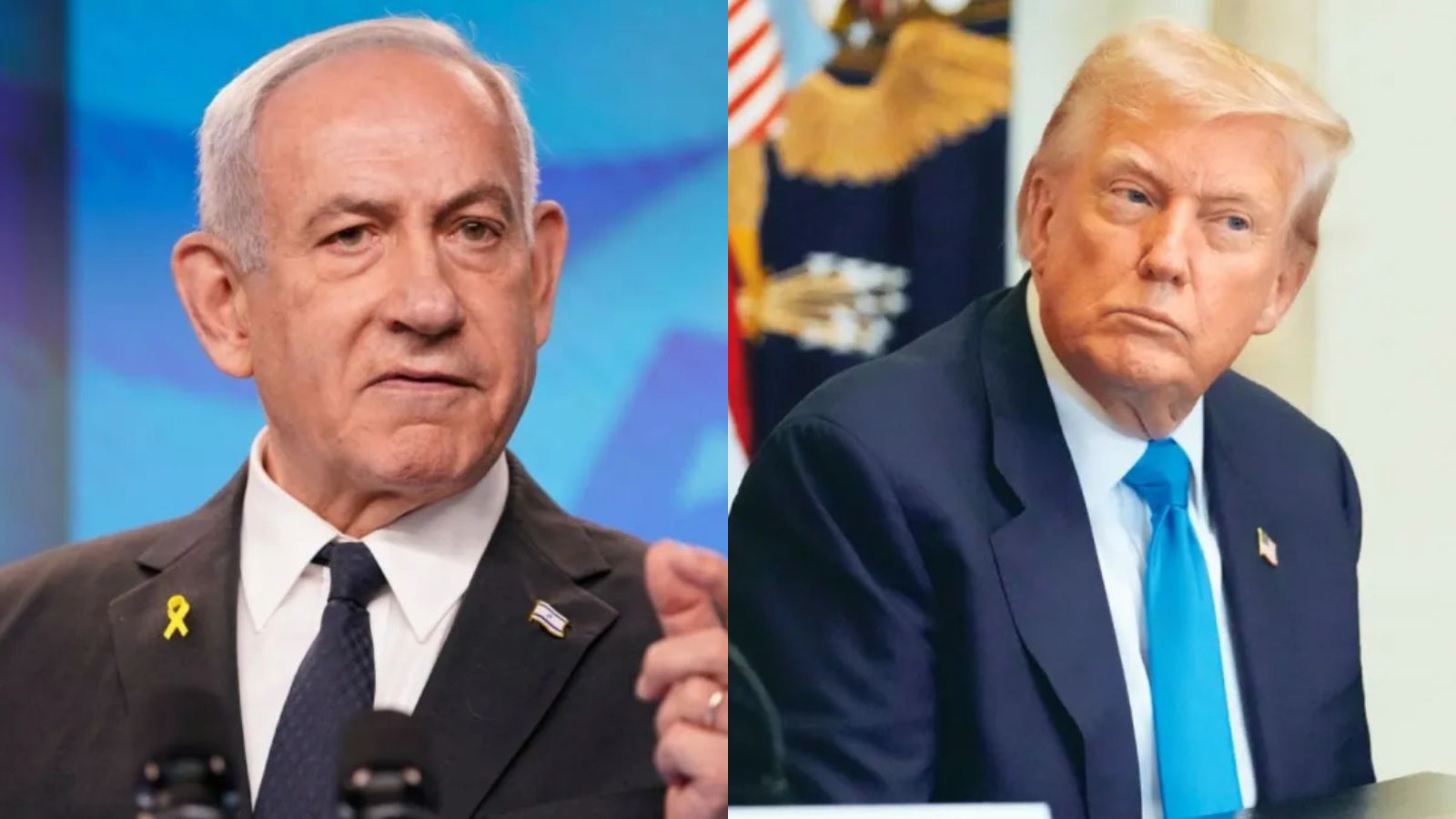
President Donald Trump left Camp David earlier than planned and returned to Washington.
Israeli Prime Minister Benjamin Netanyahu also shortened an upcoming trip to the United States.
The United States warned people in several Middle Eastern cities to be careful.
Officials said flights could be canceled, delayed, or affected by closed airspace.
Houthi forces reportedly attacked Saudi Arabia with missiles and drones.
Saudi officials said no one was killed or injured, but flights were disrupted.
The United States also warned that Iran-backed groups might attack American people or places.
A fighter jet separately guided a civilian plane away from restricted airspace near Camp David.

President Donald Trump cut short his Camp David stay and returned to Washington as regional tensions worsened.
Prime Minister Benjamin Netanyahu shortened his upcoming United States visit, planning to travel directly to New York for his United Nations address.
The United States warned Americans in eight Middle Eastern locations about rapidly changing security conditions and possible travel disruptions.
Houthi forces reportedly launched ballistic missiles and drones toward Riyadh, causing major flight disruptions but no reported deaths or injuries.
A NORAD F-16 escorted a civilian aircraft from restricted airspace over Camp David on September 19 while Trump was present.
- Who
- United States President Donald Trump, Israeli Prime Minister Benjamin Netanyahu, United States authorities, and Iran-backed Houthi forces are central to the reports.
- What
- Trump and Netanyahu changed their travel plans as Houthi attacks, security warnings, and concerns about wider Middle East escalation increased.
- When
- The developments occurred over the weekend of September 19-20, 2026; the Camp David airspace incident occurred on September 19.
- Where
- The events involved Camp David and Washington, as well as Riyadh and the alert locations of Jerusalem, Muscat, Beirut, Baghdad, Manama, Amman, Kuwait City, and Doha.
- Why
- The travel changes and warnings followed renewed Houthi attacks and concern that the confrontation could expand, threaten American interests, and disrupt air travel.
Officials’ Security Concerns
Reported Political and Strategic Pressures
Reason for changing travel plans
Officials’ Security Concerns
United States reporting linked Trump’s early return and the regional warnings to renewed Houthi attacks and the risk of rapid military escalation.
Reported Political and Strategic Pressures
The White House did not explain Trump’s early return, while the reports also cited weather-related travel changes and political concerns surrounding the conflict.
Potential regional consequences
Officials’ Security Concerns
United States authorities warned that Iran-backed groups could target American personnel, facilities, and interests, with possible airspace closures and travel disruption.
Reported Political and Strategic Pressures
The reports described the Houthi attack as causing major flight disruptions but said Saudi officials reported no deaths or injuries, indicating that its immediate effects were limited in that account.
- Trump’s movement
- Donald Trump cut short his Camp David stay and returned to Washington on Saturday evening.
- Netanyahu’s movement
- Benjamin Netanyahu planned to fly directly to New York for his United Nations address and leave immediately afterward.
- Alert locations
- United States alerts covered Jerusalem, Muscat, Beirut, Baghdad, Manama, Amman, Kuwait City, and Doha.
- Travel risks
- Officials warned of possible flight cancellations, airspace closures, disruptions, and significant delays.
- Reported Houthi attack
- Houthi forces reportedly fired ballistic missiles and drones toward Riyadh, Saudi Arabia.
- Reported casualties
- Saudi officials reported no deaths or injuries from the attack.
- Camp David incident
- A NORAD F-16 used flares to escort a civilian aircraft out of restricted airspace over Camp David.