

Archive · 1 Dec 2025
Evolution of Mumbai's Brihanmumbai Municipal Corporation
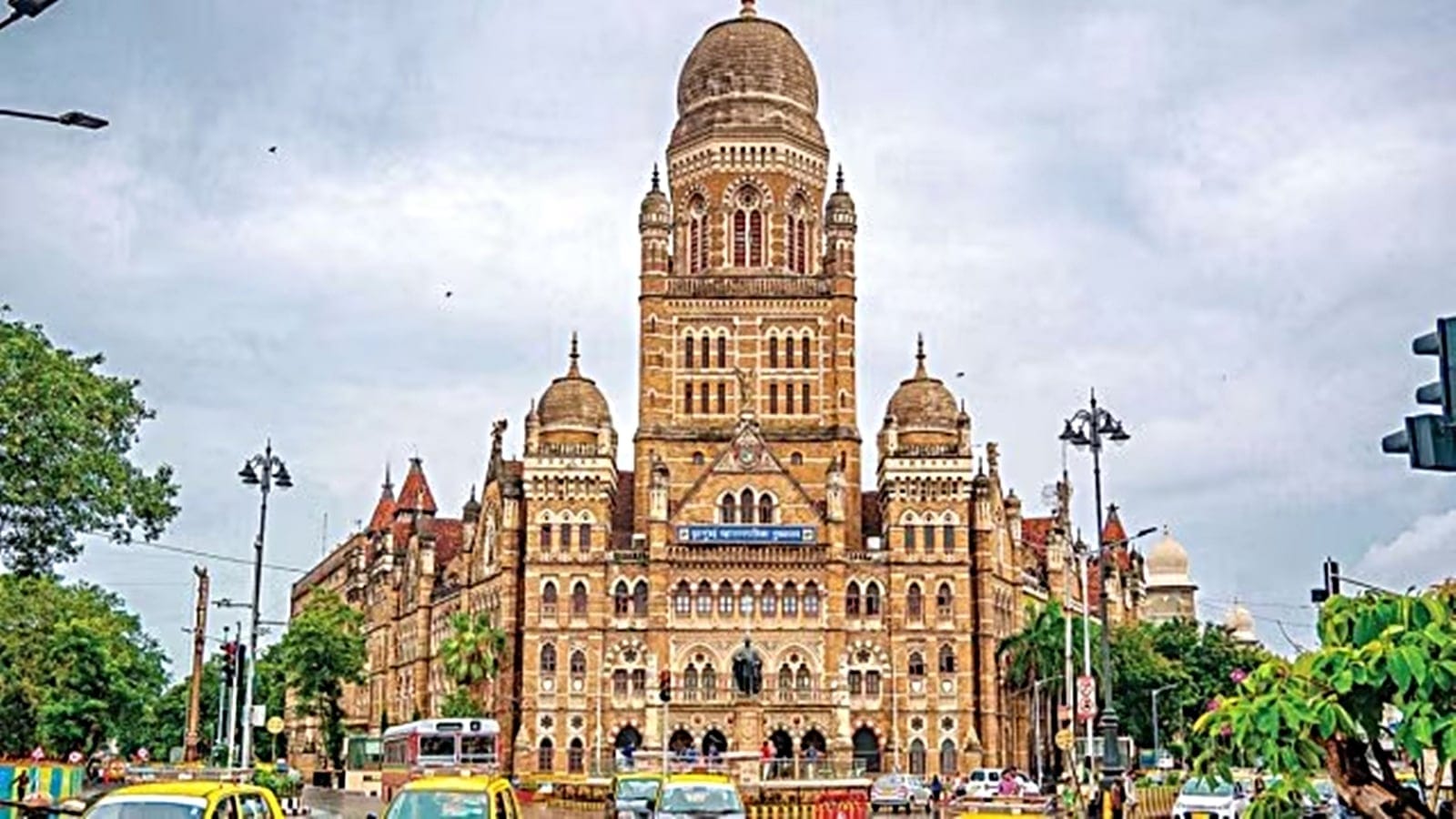
The Brihanmumbai Municipal Corporation (BMC) is the richest civic body in Asia, with a budget larger than some states.
It has evolved over more than two centuries, starting with the East India Company's control in the mid-eighteenth century.
The BMC has gone through various administrative changes, including the establishment of the Board of Conservancy in 1845, the creation of the first statutory Municipal Corporation in 1865, and the introduction of the first civic franchise in 1872.
The modern BMC was shaped by Act III of 1888, which defined its key responsibilities and established its current structure.
Today, the BMC oversees a vast area and a large population, facing challenges such as the debate over splitting the corporation to improve resource allocation and decision-making.

The BMC, Asia's richest civic body, has evolved over two and a half centuries through administrative experiments and public health shocks.
The modern BMC was shaped by Act III of 1888, which defined its key responsibilities and established its current structure.
The BMC oversees a vast area of roughly 438 sq km and a population of more than 1.25 crore residents.
The idea of splitting the BMC has resurfaced periodically, with proponents arguing for better resource allocation and decision-making, and opponents contending that it would dilute Mumbai's financial strength and weaken citywide coordination.
The BMC's history includes the establishment of the Board of Conservancy in 1845, the creation of the first statutory Municipal Corporation in 1865, and the introduction of the first civic franchise in 1872.
- Who
- The Brihanmumbai Municipal Corporation (BMC) and its administrative evolution over two and a half centuries
- What
- The formation and development of the BMC, from the East India Company's control to the modern civic body
- When
- From the mid-eighteenth century to the present day, with key events in 1752, 1792, 1845, 1858, 1865, 1872, 1888, 1948, 1950s, 1960s, and 2025
- Where
- Mumbai, India
- Why
- To understand the historical context and administrative evolution of the BMC, and the challenges it faces today
- Year
- 1752
- Event
- East India Company acknowledges residents' neglect of scavengers, appoints senior Council member for oversight
- Year
- 1792
- Event
- British Parliament passes Statute 33 George III, appoints Justices of the Peace in Bombay
- Year
- 1845
- Event
- Act XI of 1845 establishes the Board of Conservancy, a seven-member body for civic duties
- Year
- 1858
- Event
- Board of Conservancy dissolved, replaced by three Municipal Commissioners under Act XXV of 1858
- Year
- 1865
- Event
- Act II of 1865 creates Bombay's first statutory Municipal Corporation
- Year
- 1872
- Event
- Municipal Bill of 1872 introduces Bombay's first civic franchise, allowing rate-payers to elect half the members of a 64-member Corporation
- Year
- 1888
- Event
- Act III of 1888 forms the backbone of the modern BMC, creating three coordinating authorities and defining key civic responsibilities
- Year
- 1948
- Event
- Bombay holds its first municipal elections under adult franchise
- Year
- 1950s
- Event
- Creation of Greater Bombay expands municipal limits and membership
- Year
- 1960s
- Event
- City adopts single-member constituencies, strengthening direct representation
- Year
- 2025
- Event
- Number of wards grows to 227 as population expands and services multiply