

Archive · 17 Nov 2025
Marketing Executive Reverses Fatty Liver Through Diet Changes
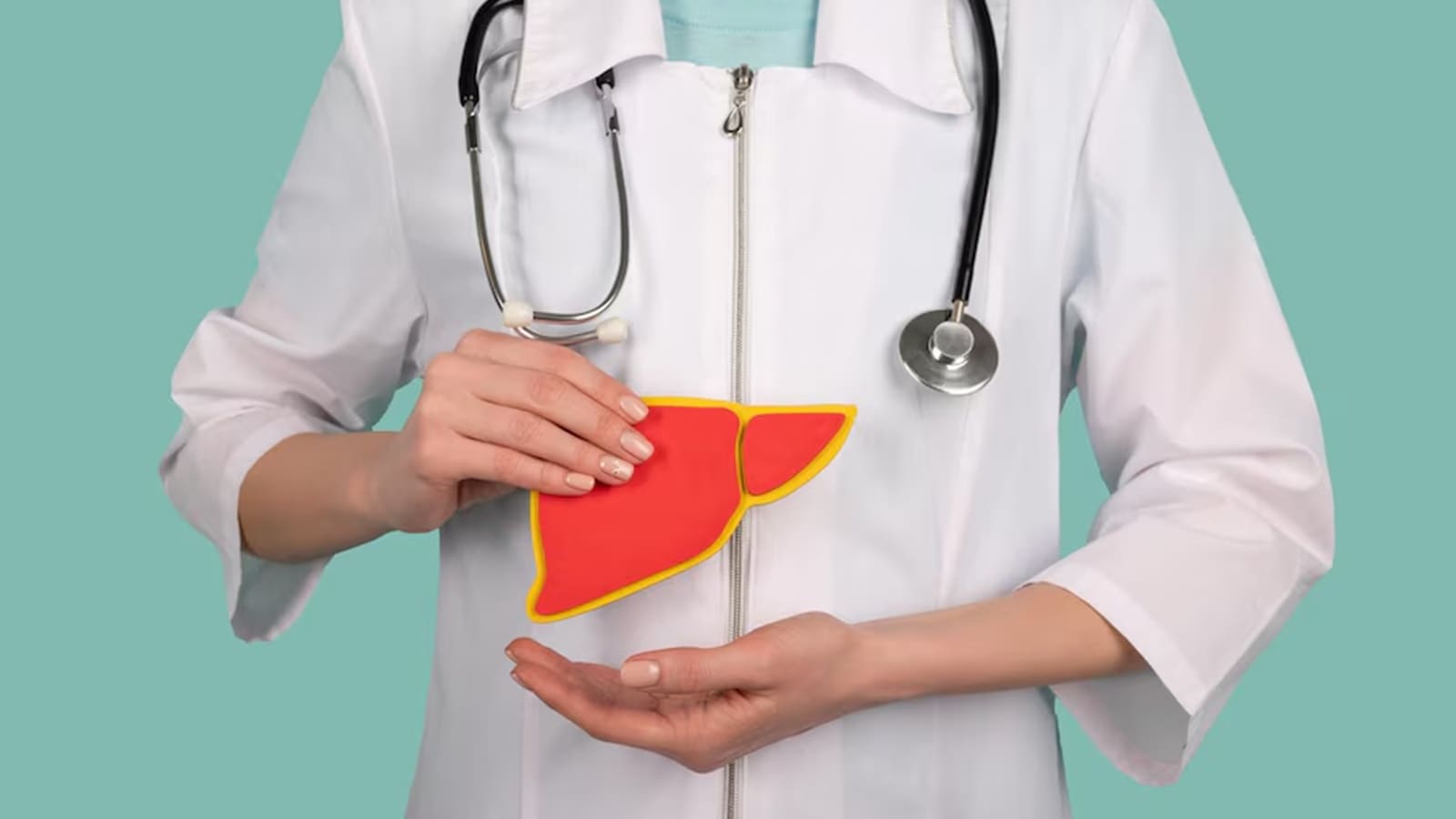
Imagine your liver is like a busy factory that stores extra energy as fat.
Sometimes, this factory can store too much fat, which is called fatty liver disease.
Priya, who is 38 and works in marketing, found out she had this condition.
She didn't drink alcohol, but her doctor explained that eating too much sugar, snacking late at night, feeling stressed, and eating processed foods can also cause the liver to store too much fat.
It's a common problem, affecting about one out of every three people, and often you don't feel any symptoms until it's quite advanced.
Thankfully, by making changes to her diet, Priya was able to help her liver recover.

A 38-year-old marketing executive named Priya was diagnosed with Grade 2 fatty liver disease.
Her diagnosis was indicated by elevated liver enzymes, showing fat storage and stress on her liver.
Priya did not consume alcohol, highlighting that fatty liver disease can occur for non-alcoholic reasons.
Common triggers for non-alcoholic fatty liver disease include high sugar intake, late-night eating, stress, and refined carbohydrates.
Fatty liver disease is common, affecting nearly one in three people, and often progresses without noticeable symptoms.
- Who
- Priya, a 38-year-old marketing executive
- What
- Was diagnosed with Grade 2 fatty liver disease, characterized by elevated liver enzymes and fat storage in the liver.
- When
- The diagnosis came after experiencing no prior symptoms.
- Where
- At a doctor's clinic.
- Why
- Due to factors such as high sugar intake, late-night eating, stress, and consumption of refined carbohydrates, despite not consuming alcohol.
Dietary Changes
Medication and Medical Intervention
Primary Treatment Approach
Dietary Changes
Lifestyle and diet adjustments are effective in reversing fatty liver disease.
Medication and Medical Intervention
Medication or other medical interventions may be necessary for some individuals where lifestyle changes are insufficient.
- Patient Age
- 38
- Patient Profession
- Marketing executive
- Diagnosis
- Fatty liver disease, Grade 2
- Key Indicator
- Elevated liver enzymes
- Contributing Factors
- High sugar intake, late-night eating, stress, refined carbohydrates
- Alcohol Consumption
- None
- Disease Prevalence
- Nearly one in three people