2 days ago
“Ek Kachori, Do Samosa” Sparks Debate Over Male Accountability

“Ek Kachori, Do Samosa” is a catchy slogan that sounds like an order at a snack shop.
People remember it because it is funny and unusual.
The slogan has also started a serious discussion about men’s responsibility and women’s safety.
Some men feel that the slogan unfairly talks about all men together.
They say people should be judged for their own actions.
Some also say men work hard to provide the things women are talking about.
Other critics think the protest makes men feel unwanted.
Supporters see the reaction as showing why conversations about accountability and safety are still important.

The “Ek Kachori, Do Samosa” slogan sounds like a casual snack-shop phrase rather than a formal manifesto.
Its absurdity has made the slogan memorable and prompted strong reactions online.
Some men argue they work hard to earn the “kachori and samosa” women are supposedly discussing.
Others question why men as a group are being associated with the actions of some individuals.
Critics of the protest describe it as anti-men and argue that it makes men feel increasingly unwelcome.
- Who
- Women associated with the protest and men reacting to it online.
- What
- A debate over the slogan “Ek Kachori, Do Samosa,” male accountability, and women’s safety.
- Where
- When
- Why
- The slogan has prompted arguments about whether it raises concerns about women’s safety or unfairly targets men as a group.
Supporters of the Protest
Critics of the Protest
Meaning of the slogan
Supporters of the Protest
Supporters treat the memorable slogan as part of a broader discussion about women’s safety and male accountability.
Critics of the Protest
Critics focus on its perceived hostility toward men and interpret the protest as an attack on them.
Collective responsibility
Supporters of the Protest
The reaction is presented as revealing tensions around how men respond to discussions of safety and accountability.
Critics of the Protest
Some men object to being grouped together, arguing that an entire gender should not be judged by the actions of some individuals.
Men’s place in society
Supporters of the Protest
The protest challenges assumptions about women’s dependence on men and highlights women’s concerns.
Critics of the Protest
Some critics say women’s messaging suggests that men are increasingly unwelcome or that women cannot live without men.
Key facts
- Slogan
- “Ek Kachori, Do Samosa”
- Style
- The phrase resembles something heard outside a neighborhood snack shop rather than a manifesto.
- Central issues
- Male accountability and women’s safety.
- Some men’s response
- They argue that they work hard to earn the “kachori and samosa” women are supposedly discussing.
- Fairness concern
- Some men question why an entire gender is associated with the actions of some individuals.
- Protest criticism
- Some critics describe the protest as an attack on men and say it creates an environment where men feel increasingly unwelcome.
Sources
Related news

'Ek Kachori Do Samosa' Slogan Inspires Viral Singing Reel
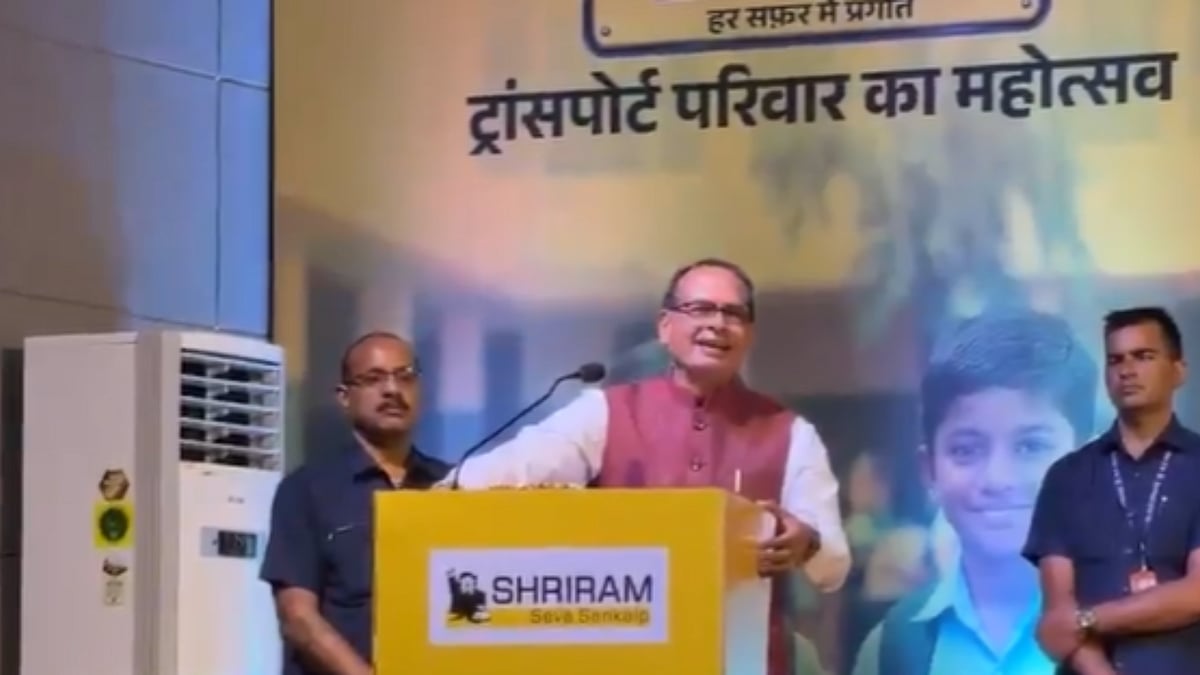
Chouhan Calls for Introspection on Viral Slogan and Women’s Safety

Indian YouTuber Paramvir Answers Racist 7-Eleven Taunt in Los Angeles

Kriti Sanon Challenges Patriarchal Outrage Amid Jamui Case

Comedians Debate Misogyny, Audience Accountability After Biryani Joke Controversy