

Archive · 30 Jul 2025
Indian Oncologist Chooses Preventive Mastectomy Due to BRCA1 Gene
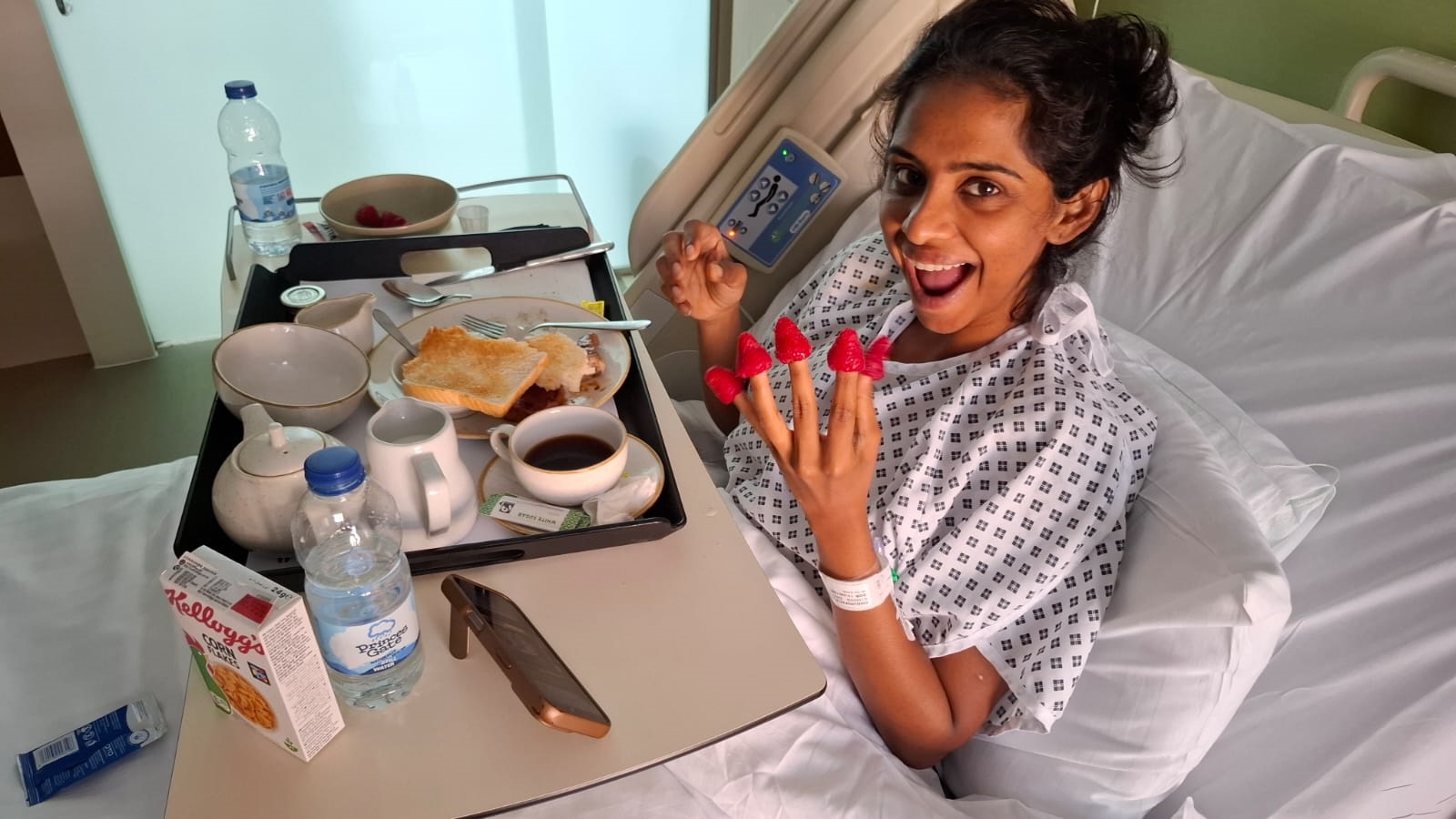
Imagine a doctor named Pragnya who learned she had a gene called BRCA1 that could cause breast cancer.
Knowing this, and seeing how hard cancer treatment is, she decided to have surgery to remove her breasts before cancer could start.
The BRCA1 gene is not uncommon in India, but many people don't know about it.
Getting tested and preventing cancer is great for those who have a high risk, but it isn't right for everyone.
Pragnya made an informed decision that was right for her and her family, and her experience is helping her help her patients make informed choices, too.

Dr. Pragnya, a breast oncologist, chose preventive mastectomy after testing positive for the BRCA1 gene.
Her decision was influenced by witnessing young women battling breast cancer and seeing positive outcomes from reconstruction.
BRCA1 mutations increase the risk of breast and ovarian cancer; they are present in 1-3% of the Indian population.
Major barriers to early detection in India include low awareness, limited access to testing, and cultural taboos.
Experts caution that genetic testing isn't necessary for everyone, particularly those without a family history of hereditary cancer.
- Who
- Dr. Pragnya, a breast oncologist, and other women and doctors affected by breast cancer.
- What
- Dr. Pragnya underwent a preventive mastectomy due to a BRCA1 gene mutation.
- When
- The decision took a few years; the surgery happened after she completed childbearing.
- Where
- The article focuses on the healthcare situation in India.
- Why
- To prevent breast cancer, based on her genetic test results and experiences with patients.
Benefits for high-risk individuals
Routine screening isn't recommended for all
Genetic Testing for Risk Assessment
Benefits for high-risk individuals
Genetic testing can help in the early identification of mutations, enabling timely surveillance and preventive strategies, such as surgery and access to targeted therapies.
Routine screening isn't recommended for all
Routine testing is not necessary for everyone, as the probability of identifying a clinically significant mutation is low in those without a family history.
- BRCA1 Carriers in India
- 1-3% of the population
- Preventive Surgery Decision Time
- A few years
- Main Support System
- Husband
- Primary Category
- Health
- Main Challenges for Early Detection
- Lack of awareness and limited access to testing