

Archive · 6 Oct 2026
Young Workers Face Harder Entry as US Labour Market Divides
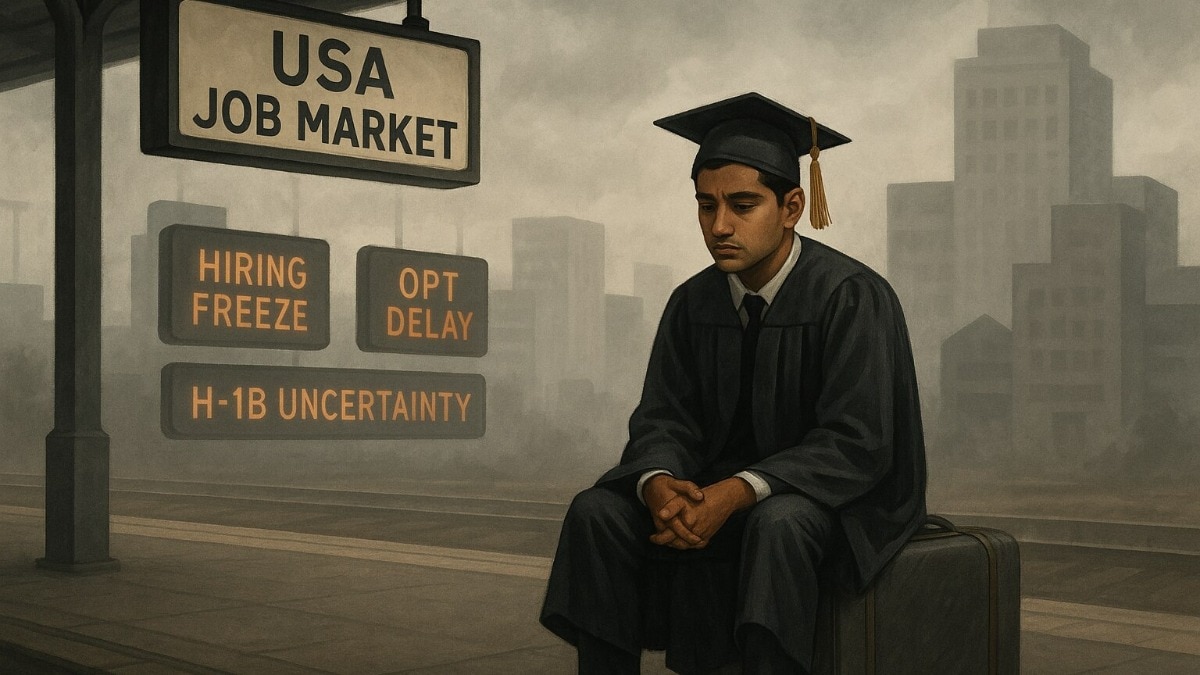
A recent jobs report showed that young adults in the United States had higher unemployment than older workers.
Rana Foroohar says many older workers are keeping good jobs, making it harder for younger people to get started.
She also says a person’s family, class, race and location can affect their opportunities.
A Census Bureau paper suggested that graduates in fields more exposed to artificial intelligence could have a harder time finding their first job.
It also estimated that they might earn less at first than graduates in less-exposed fields.
Foroohar says AI may make entry-level work more difficult, even though it could eventually create new jobs and industries.
She warns that continued difficulty finding good work could make young people more frustrated with the economy.
That frustration, she says, could add to political division and populism.

Unemployment was 7.1% for Americans aged 20–24, compared with 5.6% for those aged 25–54 and 3% for workers over 55.
Rana Foroohar argues that older workers are holding onto good jobs while younger people struggle to find decent work.
She says opportunity increasingly depends on family background, social class, race and location, not age alone.
A Census Bureau paper estimated that graduates in AI-exposed fields could face a five-percentage-point drop in initial employment likelihood and 13% lower earnings than peers in less-exposed fields.
Foroohar warns that job insecurity and weaker mobility could contribute to populism, political polarisation and weaker growth.
- Who
- Younger US workers, especially those aged 20–24; the analysis was by Rana Foroohar.
- What
- The article describes higher unemployment among younger workers and warns of a widening divide in job opportunities.
- When
- The cited jobs report was released in early September; Foroohar’s column was posted on October 4, 2026.
- Where
- The United States.
- Why
- Foroohar attributes the difficulties to a mix of age, unequal access to opportunity and the possible effects of AI on entry-level jobs.
Risks of AI for new workers
Potential longer-term benefits
AI and employment prospects
Risks of AI for new workers
Foroohar says AI could make it harder for younger people to get entry-level jobs, and cited estimates of lower initial employment likelihood and earnings for graduates in highly exposed fields.
Potential longer-term benefits
The article notes that AI could eventually generate new jobs and industries, although it gives no estimate of when or how many.
- Unemployment, ages 20–24
- 7.1%
- Unemployment, ages 25–54
- 5.6%
- Unemployment, workers over 55
- 3%
- AI-exposed graduates
- A September Census Bureau paper estimated a five-percentage-point decline in likelihood of initial employment.
- Estimated earnings difference
- Graduates entering highly AI-exposed areas could earn 13% less than those entering less-exposed sectors.
- Potential wider effects
- Foroohar warned that economic insecurity could deepen populism and political polarisation.