2 hrs ago
Untreated Sewage Threatens Kashmir’s Dal Lake and Jhelum
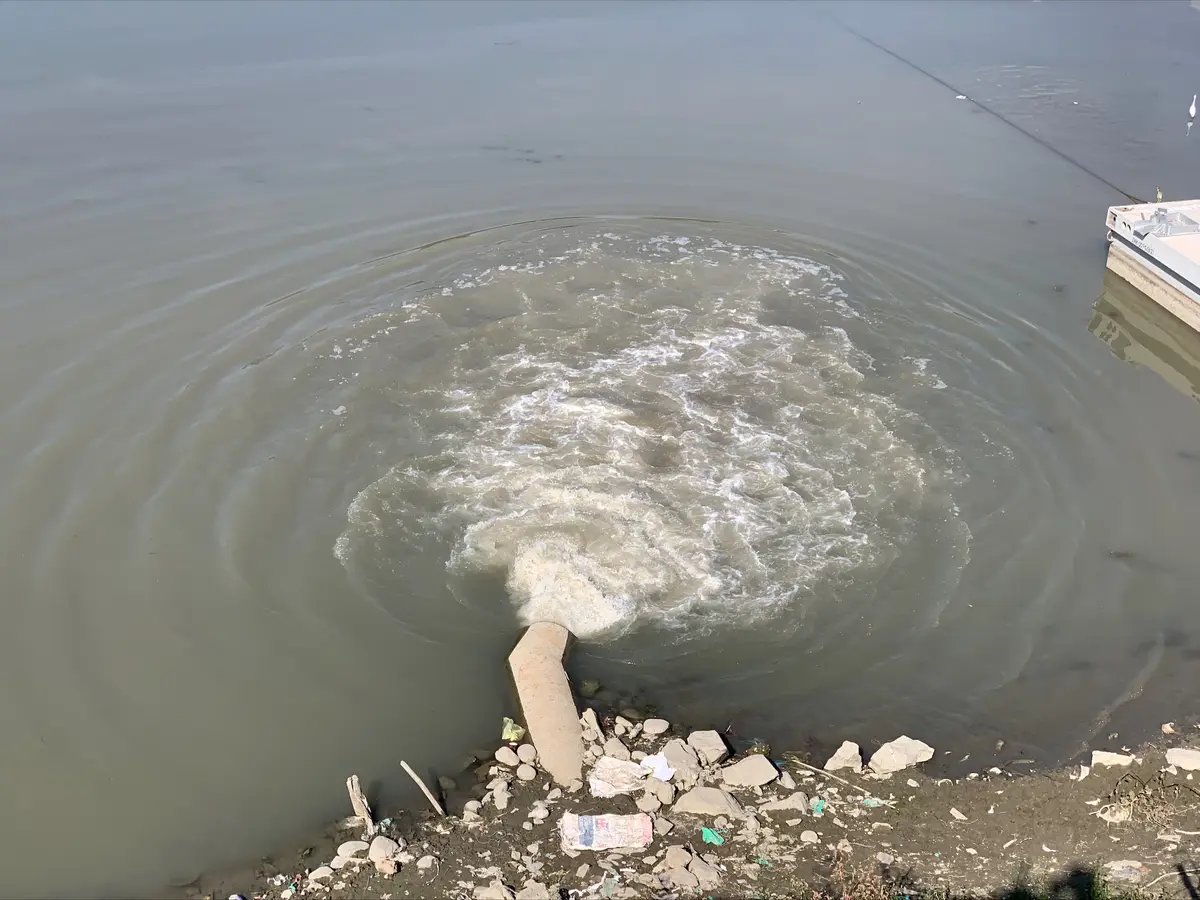
Srinagar produces a very large amount of dirty water every day.
Much of this wastewater is not cleaned before it reaches Dal Lake and the Jhelum River.
This adds too many nutrients to the water and causes excessive algae growth.
Scientists found that Dal Lake became more polluted between 2019 and 2023.
The pollution can harm fish, plants and other aquatic life.
It could also affect tourism, jobs and public health.
Environmentalists say old treatment systems and open drains are part of the problem.
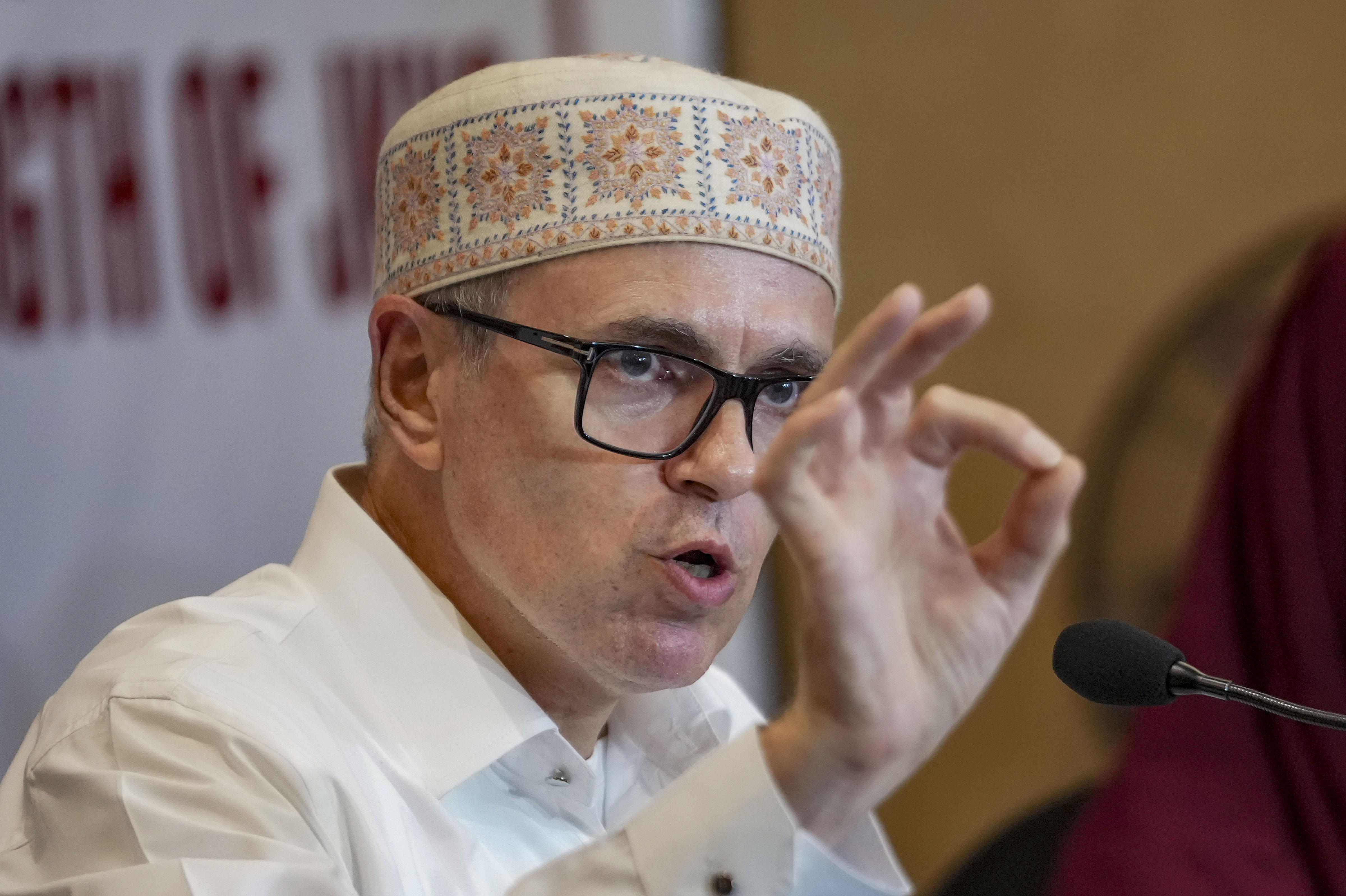
Chief Minister Omar Abdullah says the problem has existed for a long time and that restoration projects are being planned.
Both sides agree that Kashmir’s important water bodies need protection, but environmentalists want faster and more effective action.

Srinagar generates about 201 million litres of sewage daily, with nearly 73% reportedly untreated.
A study found Dal Lake’s trophic condition worsened from 2019 to 2023, reaching eutrophic status.
An action-taken report to the National Green Tribunal identified 10 wastewater outfalls discharging into the Jhelum.
Srinagar lacks separate sewage and storm-water networks, according to a Comptroller and Auditor General audit.
Environmentalists urged stronger sewage-prevention and restoration measures, while Chief Minister Omar Abdullah called the crisis a longstanding issue and said projects are underway.
- Who
- Dal Lake and the Jhelum are affected by wastewater from Srinagar; environmentalists and Chief Minister Omar Abdullah discussed the crisis.
- What
- Untreated sewage, urban drainage and nutrient pollution are threatening the ecological health of Dal Lake and the Jhelum.
- Where
- Srinagar, Kashmir Valley, including Dal Lake and the Jhelum River.
- When
- Dal Lake’s deterioration was assessed from 2019 to 2023; environmentalists described worsening conditions over roughly the past 20 years.
- Why
- Srinagar’s sewage-treatment capacity has not kept pace with urban growth, while wastewater and open drains continue reaching the water bodies.
Environmentalists’ concerns
Government’s response
Urgency of the crisis
Environmentalists’ concerns
Environmentalists say untreated sewage is entering the water bodies from multiple areas, aquatic life is declining and immediate expert-led restoration is needed.
Government’s response
Chief Minister Omar Abdullah says the problem is a longstanding legacy issue that cannot be resolved overnight, but efforts are underway.
Current interventions
Environmentalists’ concerns
Environmentalists argue that machines, sewage-treatment projects and cosmetic measures have not stopped contamination, and that preventing sewage from entering the water bodies must be the priority.
Government’s response
The government says projects are being formulated under various schemes to protect and restore Kashmir’s lakes and other water bodies.
Key facts
- Daily sewage generated
- About 201 million litres in Srinagar
- Untreated sewage
- Nearly 73%, or approximately 147 million litres daily
- Dal Lake status
- Classified as eutrophic by the end of the 2019–2023 assessment
- Jhelum outfalls
- Ten wastewater outfalls were recorded in an action-taken report
- Infrastructure gap
- Srinagar does not have separate sewage and storm-water networks
- Potential impacts
- Tourism, livelihoods, fisheries, public health and the wider ecological balance
Quotes
Tariq Ahmad Patloo
Environmental activist and Dal Lake resident who has cleaned the lake for 25 years.
“This is not a problem that has arisen in just the last two years; it is a legacy issue. We cannot resolve it overnight, but we are working on it. Projects are being formulated under various schemes—whether it is the SA scheme or others—and the effort is to not only save our water bodies but also expand them.”
 wionews.com
“Dal Lake has effectively become a drain.”
wionews.com
Sources
Related news

Omar Abdullah Orders Time-Bound Action on Srinagar Drainage
Delhi’s Kitchener Lake Fails Standards Despite Cleaning Work

NGT Orders Kshipra Rejuvenation, Stops Untreated Sewage Discharge

Durgam Cheruvu Closed for Maintenance Amid Sewage Concerns

Polluted Water Kills Fish in Hyderabad’s Durgam Cheruvu
Speaker Defends Seven-Day J&K Session Amid Opposition Criticism

Omar Abdullah Supports UPI Levy, Seeks Consumer Protection Measures
Omar Abdullah Urges Ladakh to Get Centre’s Promises in Writing

Omar Abdullah Hails Pahalgam Mention in BRICS Declaration