

Archive · 24 May 2025
Locals Protest NTPC's Coal Belt, Citing Livelihood Concerns
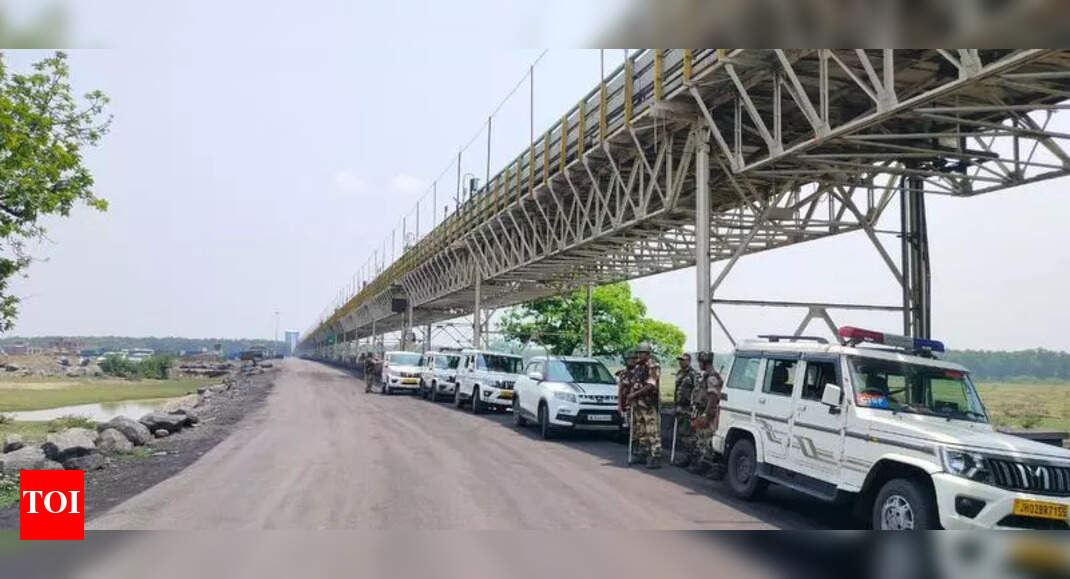
Imagine a giant conveyor belt is being built to carry coal instead of trucks.
This is happening in a place where many people make money by driving those trucks.
Now, the people are worried because the new belt might take away their jobs.
The company building the belt says it's better for the environment and cheaper.
But the local people are protesting, asking the company to still use trucks to transport some of the coal so they can keep their jobs.
They're concerned about how they will pay back loans they took out to buy their trucks.
Officials are talking about solutions to help the people who might lose their jobs.

NTPC launched a 21-km conveyor belt to transport coal.
The belt's full operation next year will transport 96,000 metric tonnes of coal daily.
Locals, whose livelihoods depend on coal transportation by trucks, are protesting.
Protests cite job losses and environmental concerns related to the belt.
MP Manish Jaiswal is advocating for continued road transport to prevent a livelihood crisis.
- Who
- Locals, transporters, NTPC officials, and Hazaribag MP Manish Jaiswal are involved.
- What
- Protests against NTPC's conveyor belt due to livelihood concerns.
- When
- Ongoing; belt launched last month; full operation expected next year.
- Where
- Chatra, India, between Barkagaon and Banadag
- Why
- Locals fear job losses due to the conveyor belt replacing truck transport of coal.
Local Concerns
NTPC's Perspective
Economic Impact
Local Concerns
Loss of livelihoods for locals who transport coal via trucks.
NTPC's Perspective
NTPC's efficiency and cost-effectiveness through the conveyor belt.
Environmental Concerns
Local Concerns
Noise pollution from the belt's round-the-clock operation.
NTPC's Perspective
The belt's design maintains environmental sensitivity.
- Conveyor Belt Length
- 21 km
- Belt Route
- Barkagaon to Banadag
- Daily Coal Transport Capacity (Full Operation)
- 96,000 metric tonnes
- Current Coal Transport via Belt
- 28,000 metric tonnes
- Coal Transport via Road (Currently)
- 3 million metric tonnes
- Full Operation Timeline
- Next Year
- Locals Dependent on Coal Transport
- 5,000+