

Archive · 26 Jul 2026
Pakistan Shifts Nuclear Command to Army Chief
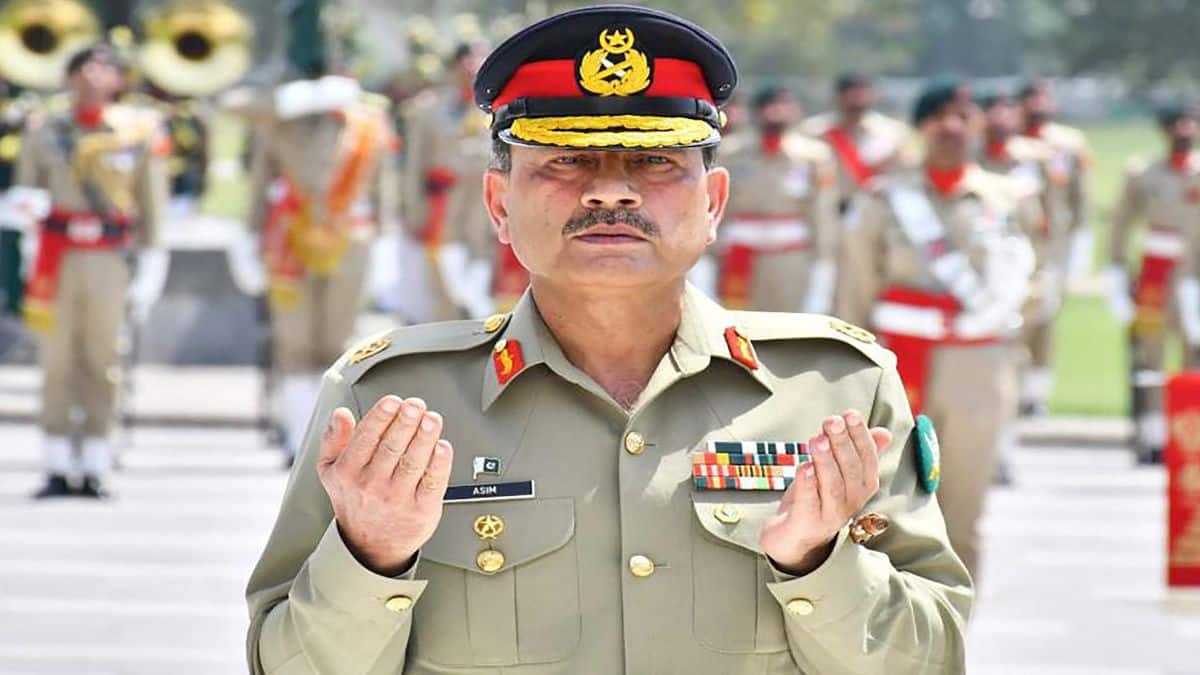
Pakistan is making big changes to how it controls its nuclear weapons.
They are putting their Army Chief, Asim Munir, in charge of the new National Strategic Command (NSC).
This new command is like China's military structure and aims to make decisions faster and work more closely with China.
India might be worried about these changes because it could affect the balance of power in the region.
The changes also mean that promotions for high-ranking officers are on hold, and more control is given to the top leaders.

Pakistan centralizes nuclear command under Army Chief Asim Munir.
New National Strategic Command (NSC) mirrors China's PLA Rocket Force.
NSC consolidates management of nuclear stockpiles and missile development.
Promotion boards deferred and operational control centralized under the Office of the Chief of Defence Forces.
Changes aim to enhance strategic deterrence and deepen defence-industrial integration with Beijing.
- Who
- Pakistan's Army Chief Asim Munir and Lieutenant General Syed Aamer Rza
- What
- Pakistan is centralizing its nuclear command under the National Strategic Command (NSC)
- When
- The changes are part of the 27th Amendment to Pakistan's constitution
- Where
- Pakistan
- Why
- To streamline decision-making and enhance strategic deterrence, with influence from China's military structure
Pakistan's Strategic Reforms
India's Security Concerns
Centralization of Nuclear Command
Pakistan's Strategic Reforms
Pakistan centralizes nuclear command under Army Chief Asim Munir for streamlined decision-making and enhanced strategic deterrence.
India's Security Concerns
India may view this centralization as a potential threat, increasing concerns about nuclear security and regional stability.
Influence of China's Military Structure
Pakistan's Strategic Reforms
Pakistan's new National Strategic Command (NSC) mirrors China's PLA Rocket Force, aiming to deepen defence-industrial and technological integration with Beijing.
India's Security Concerns
India may be wary of closer Pakistan-China military ties, perceiving it as a strategic threat to regional security.
Impact on Career Progression and Command Structure
Pakistan's Strategic Reforms
Pakistan defers promotion boards and realigns operational control to centralize decision-making within the senior leadership.
India's Security Concerns
India may interpret these changes as a sign of increased militarization and potential instability in Pakistan's military leadership.
- Key Figures
- Asim Munir (Army Chief), Syed Aamer Rza (Commander of NSC)
- New Command Structure
- National Strategic Command (NSC)
- Influence
- China's PLA Rocket Force
- Impact on Career Progression
- Deferred promotion boards for senior officers
- Operational Control
- Centralized under the Office of the Chief of Defence Forces