

Archive · 20 Jul 2026
Punjab Needs Truth and Reconciliation Commission
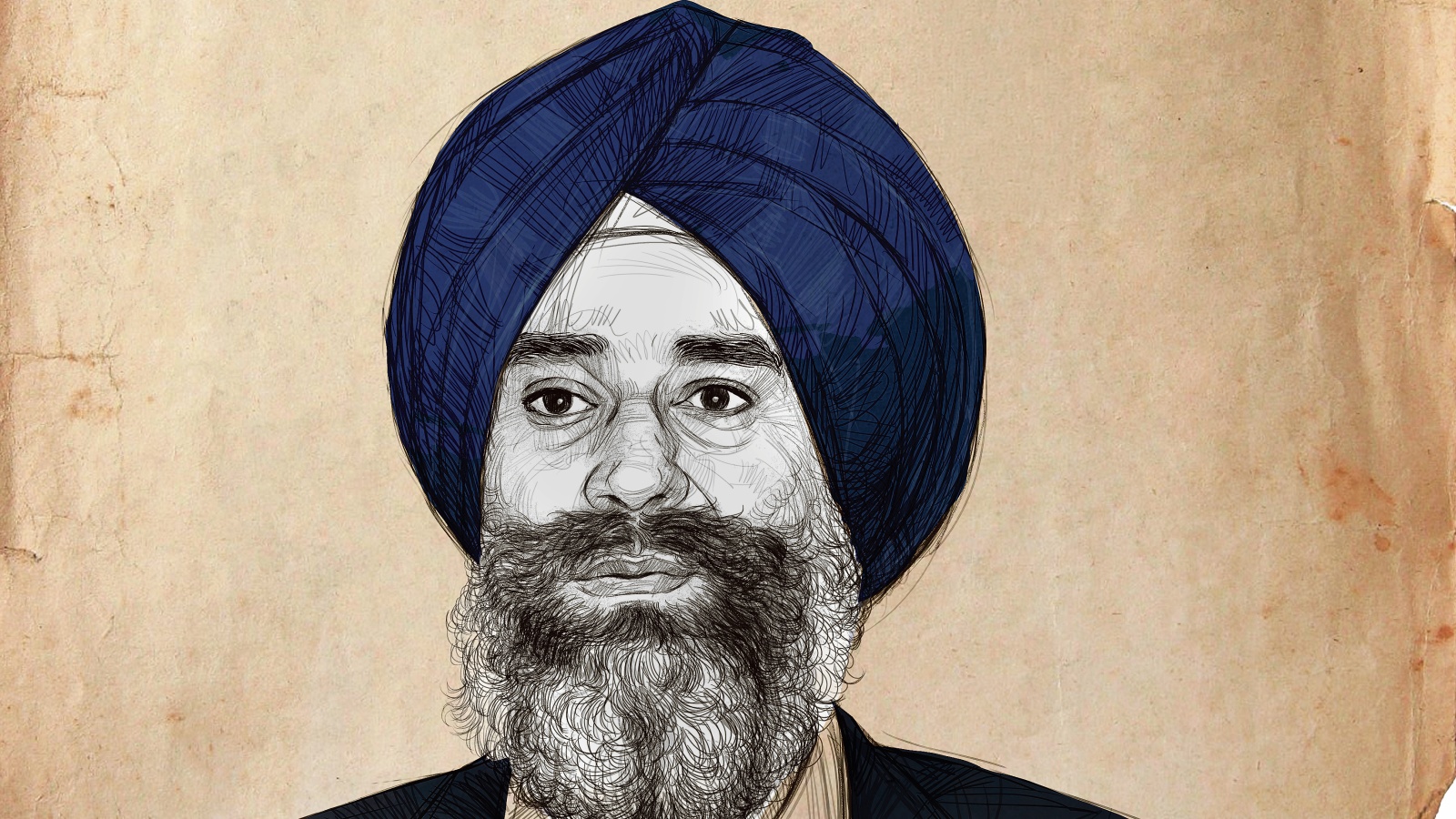
Punjab has a long history of violence and unrest, including events like Operation Blue Star and the anti-Sikh riots of 1984.
Despite efforts to rehabilitate victims and promote unity, there has been no official way to address these past wrongs.
The article suggests creating a Truth and Reconciliation Commission to document all the suffering and establish a Peace Memorial.
This would help Punjab learn from its past and prevent future conflicts.
The article also warns against politics that divide people based on religion or caste, as this can weaken democracy.
By focusing on truth and justice, Punjab can heal and move forward together.

Punjab has a history of violence and unrest, including Operation Blue Star and the 1984 anti-Sikh riots.
Efforts have been made to rehabilitate victims, but no official mechanism exists to address past atrocities.
A Truth and Reconciliation Commission is proposed to document all victims' experiences and establish a Peace Memorial.
The 1996 Moga Declaration affirmed collective grievances and justice for all Punjabis, promoting unity.
Political leaders are urged to avoid divisive politics based on religion or caste to strengthen democracy.
- Who
- The people of Punjab, including victims of historical violence, political leaders, and human rights groups.
- What
- The need for a Truth and Reconciliation Commission to address past atrocities and promote healing.
- When
- The proposal comes in the context of Punjab's long history of violence and recent efforts at reconciliation.
- Where
- Punjab, India.
- Why
- To bring closure to past conflicts, ensure accountability, and prevent future violence through a shared historical understanding.
Proponents of Truth and Reconciliation
Opponents of Institutional Mechanisms
Historical Accountability
Proponents of Truth and Reconciliation
Proponents argue that a Truth and Reconciliation Commission is necessary to document and acknowledge past atrocities, ensuring accountability and preventing future violence.
Opponents of Institutional Mechanisms
Opponents may believe that revisiting past conflicts could reopen old wounds and destabilize the current peace, arguing for a focus on the future rather than the past.
Communal Harmony
Proponents of Truth and Reconciliation
Proponents suggest that such a commission would reinforce communal harmony by treating all victims equally, regardless of religion or caste.
Opponents of Institutional Mechanisms
Opponents might fear that such an initiative could inadvertently stir up communal tensions by bringing past grievances to the forefront.
- Historical Events
- Operation Blue Star, assassination of Indira Gandhi, anti-Sikh violence of 1984, two decades of militancy and counterinsurgency, farmers’ movement
- Rehabilitation Efforts
- Reintegration of militant leaders, support for 13,000 widows and 50,000 children
- Political Declarations
- 1996 Moga Declaration affirming collective grievances and justice for all Punjabis
- Proposed Commission
- Truth and Reconciliation Commission to document experiences of all victims and establish a Peace Memorial
- Political Lessons
- Avoiding divisive politics based on religion or caste to strengthen democratic institutions