

Archive · 22 Jul 2026
Yen weakest since 1986 amid oil, US yields
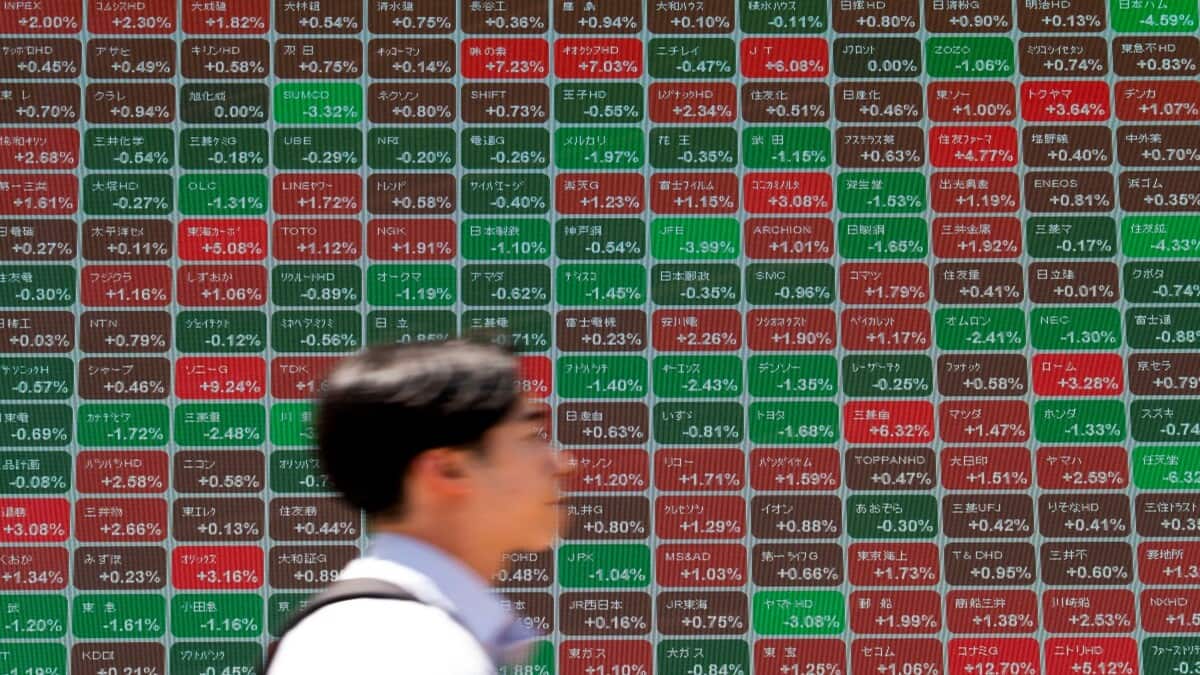
The Japanese yen is very weak right now, reaching its lowest level since 1986.
This is happening because oil prices are going up and US interest rates are higher, which makes the US dollar stronger.
People who trade money are worried that Japan might step in to help the yen, like they did earlier this year.
But even if they do, it might not help much unless Japan changes its interest rates or investors feel better about Japan's money situation.
A weaker yen makes things like oil more expensive for Japan, which could make prices go up.
But if Japan raises interest rates too much, it could hurt the economy.
So, everyone is watching to see what Japan might do next.

The Japanese yen reached its weakest level since 1986, trading at 163.24 per dollar.
Rising oil prices and higher US Treasury yields are strengthening the dollar, putting pressure on the yen.
Japanese authorities may intervene to support the yen, but previous interventions have had limited lasting effects.
The yen's weakness raises the cost of imported energy and commodities, potentially intensifying inflation in Japan.
The Bank of Japan faces a delicate balancing act between supporting the yen and avoiding actions that could harm economic growth.
- Who
- Japanese authorities, currency traders, investors
- What
- Yen weakens to lowest level since 1986
- When
- Wednesday, with ongoing concerns
- Where
- Global financial markets, particularly in New York and Asia
- Why
- Rising oil prices and higher US Treasury yields strengthen the dollar, while Japan's low interest rates and fiscal concerns contribute to the yen's decline.
Market Forces
Japanese Authorities
Yen Weakness
Market Forces
The yen's weakness is driven by rising oil prices and higher US Treasury yields, which strengthen the dollar.
Japanese Authorities
Japanese authorities may intervene to support the yen to prevent further weakening.
Intervention Effectiveness
Market Forces
Market forces argue that intervention alone may not have a lasting impact without changes in interest rates or investor sentiment.
Japanese Authorities
Japanese authorities believe that intervention can limit further gains and support the yen in the short term.
Economic Impact
Market Forces
A weaker yen raises the cost of imported energy and commodities, potentially intensifying inflationary pressures.
Japanese Authorities
Aggressive interest-rate hikes could weigh on economic growth, making intervention a more appealing option.
- Yen to Dollar Exchange Rate
- 163.24 (weakest since 1986)
- Brent Crude Futures
- $91.99 per barrel (six-week high)
- US 30-Year Treasury Yield
- 5.15% (two-month high)
- US 10-Year Treasury Yield
- 4.64% (highest since May)
- Japan's Last Intervention
- April and May 2024
- Expected Dollar-Yen Range
- 160-165