

Archive · 25 Nov 2025
South Asians face health crisis linked to colonial-era famines
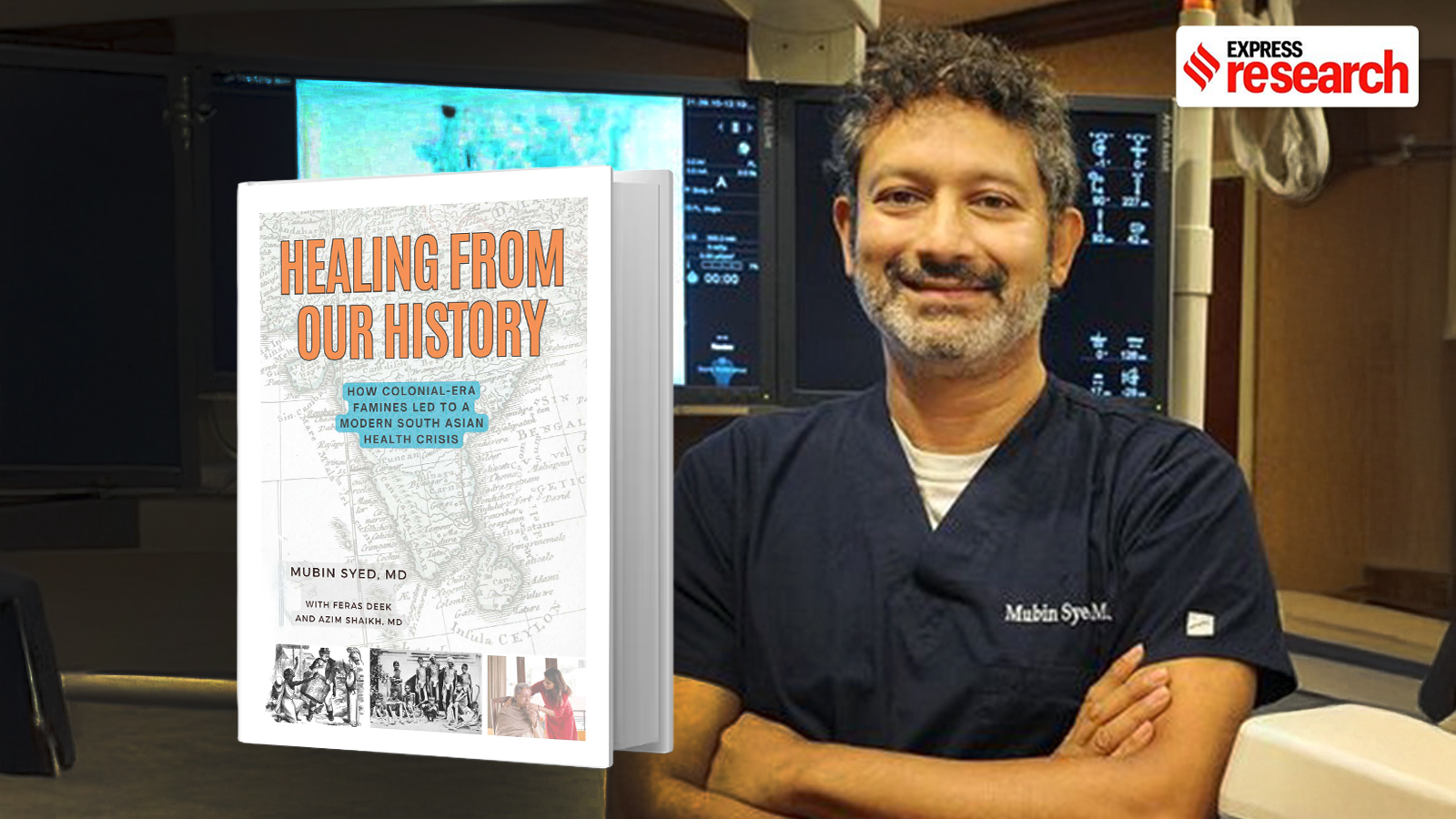
Dr. Mubin Syed, a physician, had a heart attack at 52 despite being healthy.
He found that South Asians have higher rates of heart disease and diabetes.
He thinks this is because of famines during British rule.
These famines were very bad and lasted a long time.
They changed how South Asians' bodies work.
Now, these changes make it easier to get sick.
Dr. Syed says understanding this history can help people take better care of their health.
He also says other places that were colonized have similar problems.
To stay healthy, South Asians should eat well, exercise, and get regular check-ups.

South Asians face higher rates of heart disease, diabetes, and metabolic syndrome.
Colonial-era famines were man-made, larger, and deadlier than pre-colonial famines.
Biological adaptations to famine may now contribute to modern health issues.
Epigenetics shows that environmental factors can affect gene expression across generations.
Similar health issues arise in other colonized regions due to historical trauma.
- Who
- South Asians, particularly those with ancestral exposure to colonial-era famines.
- What
- A health crisis characterized by higher rates of heart disease, diabetes, and metabolic syndrome.
- When
- The health crisis is ongoing, with roots tracing back to colonial-era famines.
- Where
- South Asia and South Asian diaspora communities.
- Why
- Biological adaptations to historical famines and systemic exploitation during colonial rule.
- Health Crisis
- South Asians face higher rates of heart disease, diabetes, and metabolic syndrome.
- Colonial-Era Famines
- Colonial famines were man-made, larger, more frequent, and deadlier than pre-colonial famines.
- Evolutionary Mismatch
- Biological adaptations to famine may now contribute to modern health issues.
- Epigenetics
- Environmental and experiential factors can turn genes on or off without changing DNA.
- Global Patterns
- Similar health issues arise in other colonized regions due to historical trauma.
- Solutions
- Regular screenings, balanced diets, and understanding historical context are key.