

Archive · 10 Nov 2025
How Long It Takes Water to Fully Hydrate Your Body
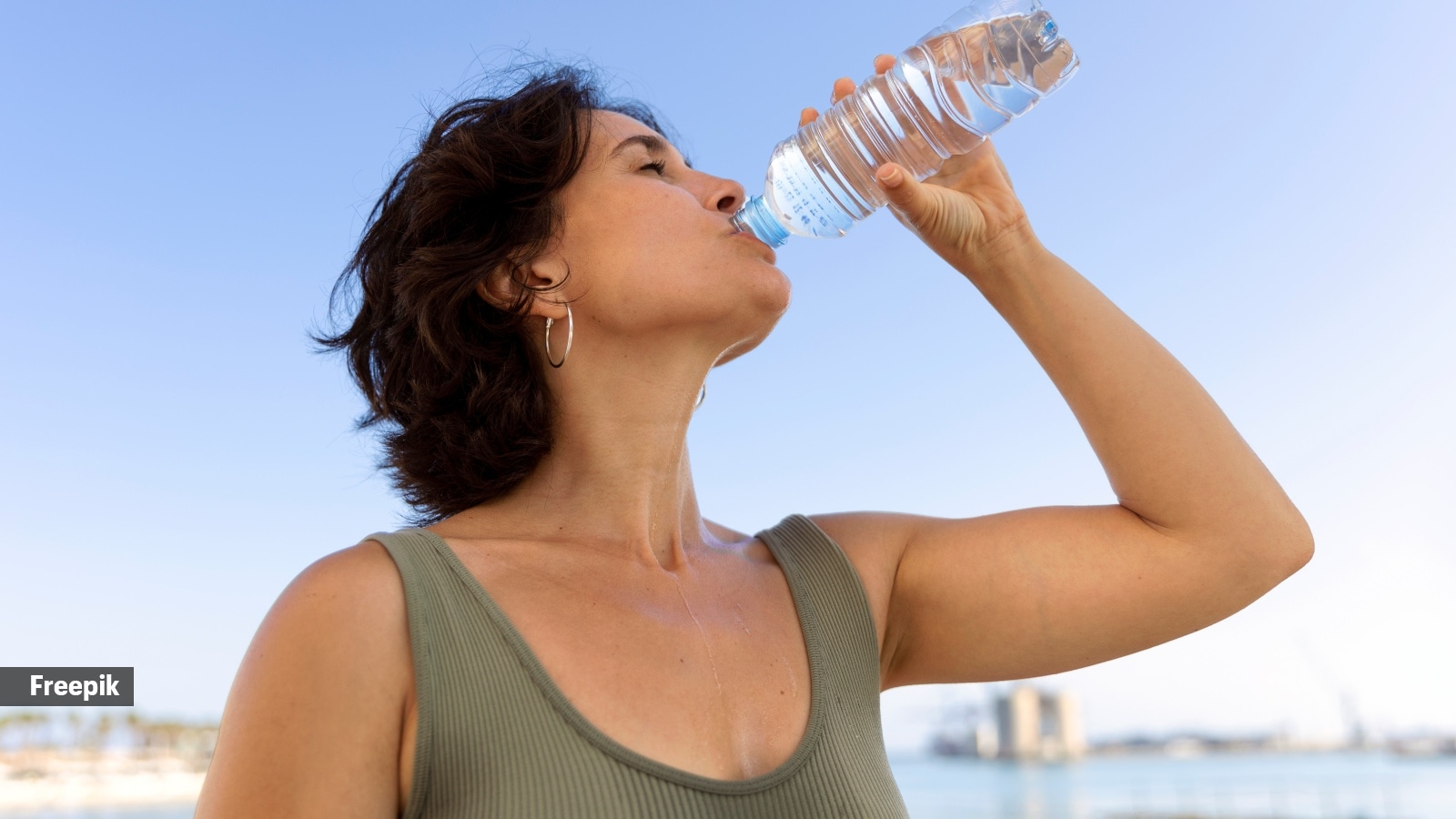
Imagine your body is like a plant that needs water to stay alive and energetic.
When you drink water, it's like watering the plant.
The water doesn't instantly make the plant healthy; it has to go through a journey.
First, the water goes into your tummy, and then it travels to your blood, like water going through pipes.
This happens pretty quickly, in about 5 to 10 minutes!
Then, the water needs to reach all the tiny parts of your body, like leaves and flowers, which are your cells and organs.
This full hydration takes a bit longer, about 30 to 45 minutes.
Drinking water slowly throughout the day is better than chugging it all at once, just like giving a plant small drinks often is better than flooding it.
Some things, like eating salty snacks, can make it harder for your body to hold onto the water, while fruits help your body use the water better.

Water absorption begins within minutes of drinking, with entry into the bloodstream occurring in 5-10 minutes.
Complete hydration, where water reaches all cells and organs, typically takes 30-45 minutes.
Factors influencing absorption speed include stomach contents, water temperature, electrolytes, and physical activity.
Sipping water consistently throughout the day is more effective than drinking large quantities at once.
Certain foods and drinks, like those high in electrolytes or caffeine/alcohol, can affect hydration efficiency.
- Who
- Health experts and nutritionist Deepika Sharma
- What
- Explaining the process and timeline of body hydration after drinking water.
- When
- Water begins entering the bloodstream within 5-10 minutes; complete hydration occurs within 30-45 minutes.
- Where
- The body, specifically digestive system, bloodstream, cells, tissues, and organs.
- Why
- To understand how hydration works for optimal health and energy, and to make informed choices about water intake.
- Absorption into Bloodstream
- 5-10 minutes
- Complete Hydration
- 30-45 minutes
- Factors Affecting Absorption
- Stomach emptiness, water temperature, electrolytes, physical activity, health conditions, food/drink consumption
- Optimal Absorption Temperature
- Cool (not ice-cold)
- Foods/Drinks Enhancing Hydration
- Fruits, soups, coconut water, oranges, watermelon
- Foods/Drinks Slowing Hydration
- Alcohol, caffeine, heavy drinks, salty/sugary foods