

Archive · 22 Sep 2026
Trump-Pezeshkian UNGA Meeting Could Test Iran’s Hormuz Offer
Iran controls an important sea route called the Strait of Hormuz.
Many ships carrying oil and gas use this route.
Iran says it could reopen the route in seven days.
It wants the United States to first reduce military pressure.
Iran also wants new talks about ending the fighting permanently.
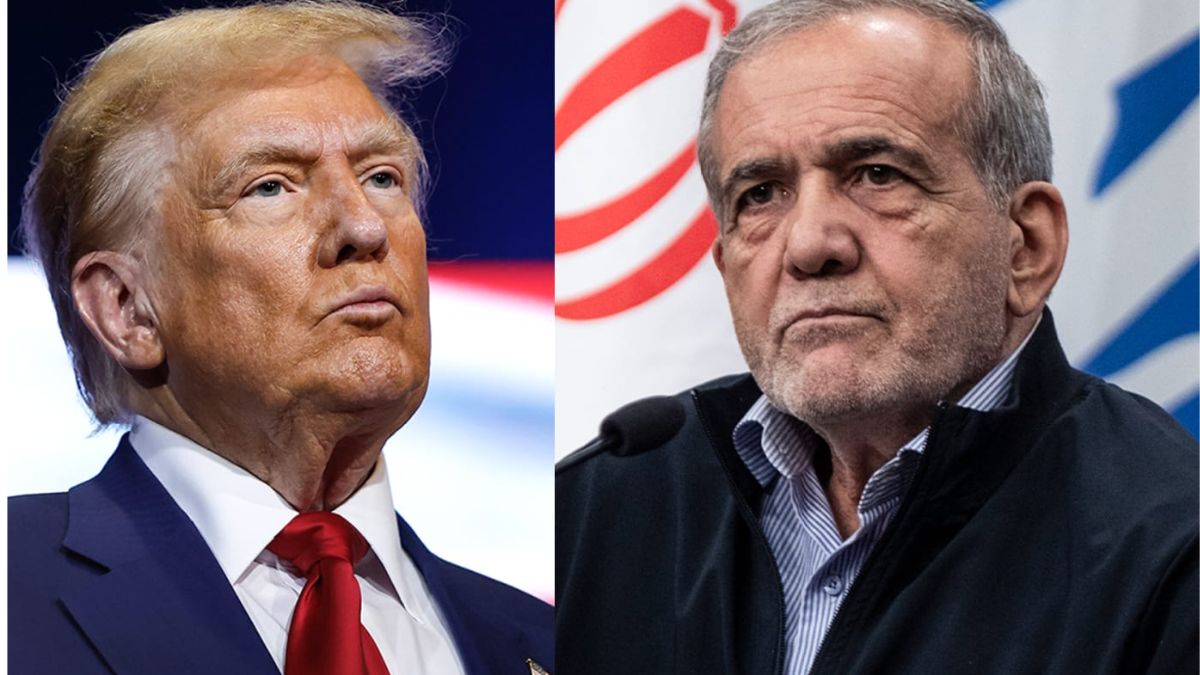
US President Donald Trump may meet Iranian President Masoud Pezeshkian at the United Nations.
Trump is expected to say that stopping Iran from getting a nuclear weapon is a major goal.
The possible meeting could determine whether the two countries begin talking again.

Iran has offered to reopen the Strait of Hormuz within seven days if the United States eases military pressure.
Tehran says it conveyed the proposal through mediators alongside a call for renewed negotiations to end hostilities permanently.
Donald Trump has indicated he may be open to meeting Masoud Pezeshkian during the United Nations General Assembly.
Hormuz shipping has been severely disrupted amid Iranian attacks on commercial vessels and a US counterblockade of Iranian ports.
Trump is expected to defend US action against Iran and emphasize preventing Tehran from obtaining a nuclear weapon.
- Who
- US President Donald Trump and Iranian President Masoud Pezeshkian are the central figures, with mediators and Gulf states also involved.
- What
- Iran has proposed reopening the Strait of Hormuz within seven days in exchange for reduced US military pressure and renewed negotiations.
- When
- The proposal was reported as Pezeshkian arrived in New York for the 81st United Nations General Assembly; Pezeshkian was scheduled to speak on Wednesday, September 23, while Trump was scheduled to speak on Tuesday.
- Where
- The potential meeting and diplomatic activity are centered at the United Nations General Assembly in New York, while the affected waterway is the Strait of Hormuz.
- Why
- Iran links reopening the waterway to easing US military pressure and restarting talks, while the United States says preventing Iran from obtaining a nuclear weapon is a central objective.
Iran’s Position
United States’ Position
Conditions for reopening Hormuz
Iran’s Position
Iran says it can reopen the Strait of Hormuz within seven days if the United States first reduces military pressure and agrees to renewed talks.
United States’ Position
The United States is maintaining a counterblockade of Iranian ports and has not been reported as accepting Iran’s conditions.
Purpose of the conflict
Iran’s Position
Iran says its people have been subjected to unfairness and attacks, and argues that previous agreements were not honored.
United States’ Position
The Trump administration is expected to argue that military action is necessary to prevent Iran from developing a nuclear weapon.
Diplomatic engagement
Iran’s Position
Masoud Pezeshkian plans to use the UN General Assembly to present Iran’s position and seek engagement through mediators and foreign leaders.
United States’ Position
Donald Trump has indicated openness to a meeting but is also expected to defend US actions and discuss the conflict with Gulf leaders.
- Iran’s proposal
- Reopen the Strait of Hormuz within seven days.
- Condition proposed by Iran
- The United States must take initial steps to ease military pressure.
- Additional Iranian request
- Fresh negotiations aimed at securing a permanent end to hostilities.
- Potential meeting
- Donald Trump has indicated he may be open to meeting Masoud Pezeshkian at the UN General Assembly.
- Strategic waterway
- The Strait of Hormuz carried about one-fifth of the world’s hydrocarbons before the war.
- US stated objective
- Preventing Iran from obtaining a nuclear weapon.
- Regional impact
- Iranian attacks and disrupted oil and gas exports have affected Gulf states.