Archive · 6 Jan 2026
Best Ways to Consume Winter Superfoods
Winter is a time when our bodies need more energy and nutrients to stay warm and healthy.
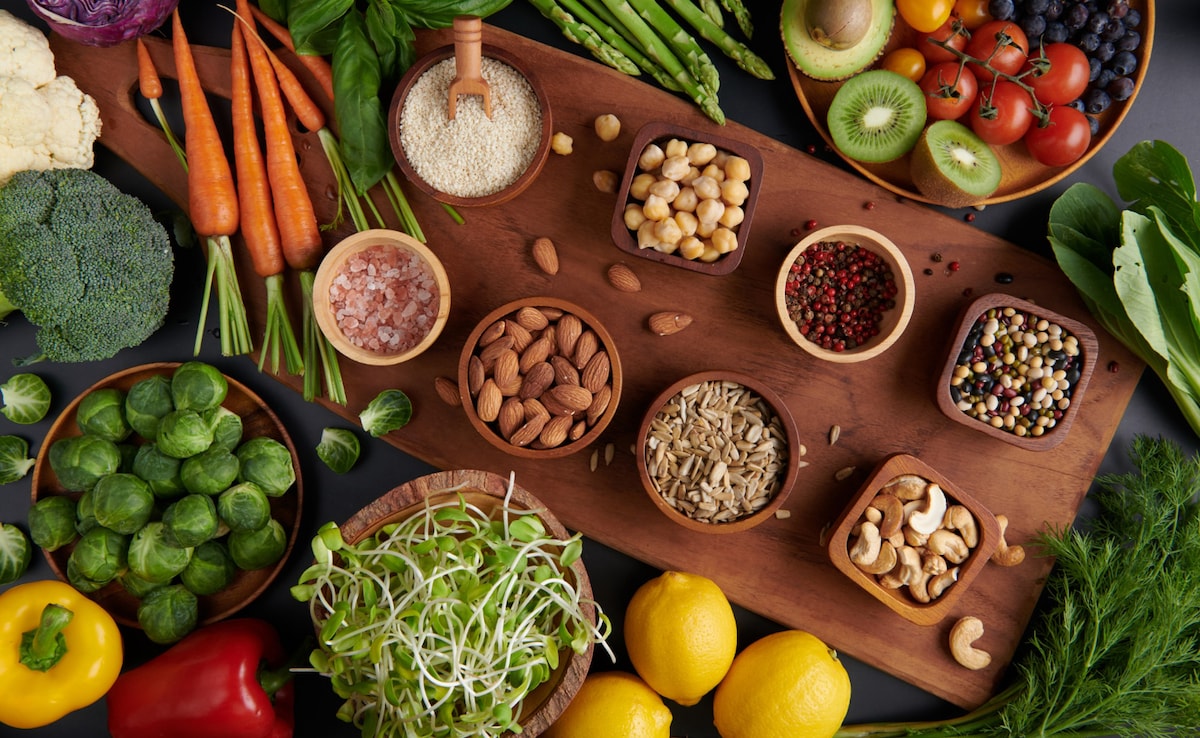
Foods like jaggery, amla, sesame seeds, carrots, turmeric, spinach, sweet potatoes, and dates are especially good for us in winter.
But how we prepare and eat these foods makes a big difference in how well our bodies can use their nutrients.
For example, jaggery is best eaten in small amounts after meals, and amla should be eaten raw or as fresh juice to keep its vitamin C. Carrots are better for us when lightly cooked with some fat, and turmeric works best when eaten with black pepper and fat.
Leafy greens like spinach are healthier when lightly cooked, and sweet potatoes are best when steamed or roasted with their skin on.
Dates are easier to digest and give us more energy when soaked overnight.
Eating these foods the right way helps our bodies stay strong and healthy in winter.

Jaggery is best consumed in small quantities after meals to aid digestion and prevent bloating.
Amla should be eaten raw, lightly salted, or as fresh juice to preserve its vitamin C content.
Sesame seeds are more beneficial when roasted to improve mineral absorption.
Carrots should be lightly cooked and paired with fat for better absorption of beta-carotene.
Turmeric's absorption is enhanced when consumed with black pepper and fat, such as in warm milk or cooked dishes.
- Who
- General public, especially those looking to optimize their diet during winter.
- What
- Guidelines on how to consume winter superfoods for maximum benefit.
- When
- During the winter season.
- Where
- Applicable to anyone, particularly in regions with significant winter weather.
- Why
- To support immunity, digestion, and energy levels during colder months.
- Jaggery
- Rich in iron, potassium, magnesium, and antioxidants; best consumed in small quantities after meals.
- Amla
- High in vitamin C and polyphenols; best consumed raw, lightly salted, or as fresh juice.
- Sesame seeds
- Rich in calcium, zinc, healthy fats, and lignans; best consumed roasted.
- Carrots
- Rich in beta-carotene; best lightly cooked and paired with fat for better absorption.
- Turmeric
- Contains curcumin; best consumed with black pepper and fat for enhanced absorption.
- Spinach and winter leafy greens
- Rich in iron, folate, and antioxidants; best lightly cooked to reduce oxalates.
- Sweet potatoes
- Rich in complex carbohydrates, fiber, potassium, and antioxidants; best steamed or roasted with skin intact.
- Dates
- Rich in iron, potassium, and polyphenols; best soaked overnight for improved absorption.