

Archive · 18 Jul 2026
Sleep Deprivation Linked to Insulin Resistance
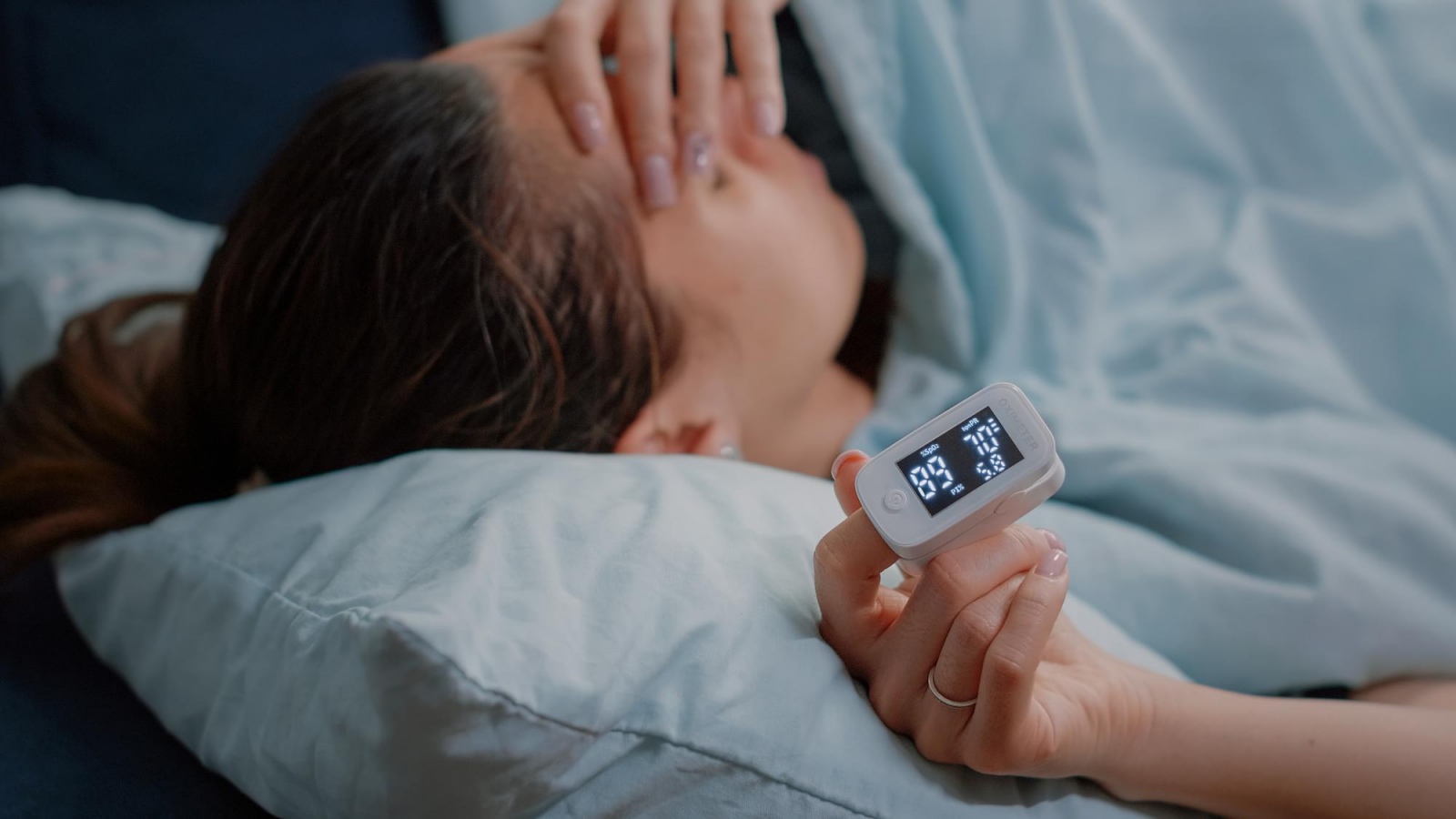
Not getting enough sleep can make your body less sensitive to insulin, which helps control blood sugar.
This can happen after just a couple of nights of poor sleep.
When you don't sleep enough, your body produces more cortisol, a stress hormone that raises blood sugar.
It also messes up the hormones that control hunger, making you crave sugary foods.
While these changes are usually temporary, if you keep not getting enough sleep, it can increase your risk of developing prediabetes or Type 2 diabetes over time.
The good news is that catching up on sleep can reverse these effects if it's just a one-time thing.

Sleeping less than seven hours per night can impair insulin sensitivity and raise blood sugar levels.
Sleep deprivation triggers inflammatory responses, hormonal changes, and disrupts circadian rhythm.
Even two nights of poor sleep can temporarily reduce insulin sensitivity.
Chronic sleep deprivation increases the risk of prediabetes and Type 2 diabetes.
Adequate recovery sleep can reverse short-term metabolic changes caused by sleep loss.
- Who
- Healthy individuals and those at risk of diabetes
- What
- Sleep deprivation affects insulin sensitivity and blood sugar levels
- When
- After one to three nights of restricted sleep
- Where
- General health context, not location-specific
- Why
- Sleep deprivation disrupts hormonal balance and metabolic processes
- Recommended Sleep Duration
- Seven hours per night
- Effect of Sleep Deprivation
- Impaired insulin sensitivity, increased cortisol levels, disrupted hunger hormones
- Duration of Insulin Resistance
- Generally transient and reversible in healthy individuals
- Long-term Risk
- Increased likelihood of prediabetes and Type 2 diabetes with repeated sleep deprivation
- Hormones Affected
- Cortisol, leptin, ghrelin