

Archive · 29 Sep 2025
Scientists Discover Evidence of Ancient Cosmic Impact
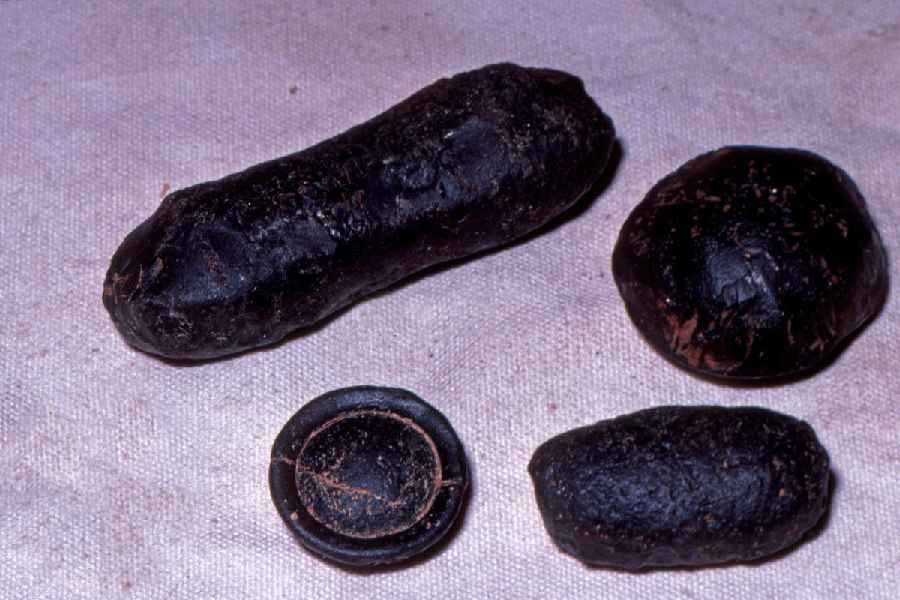
Imagine the Earth gets hit by a giant space rock sometimes.
When this happens, rocks melt and become glass called tektites.
Scientists have found a new type of tektite, which they named Ananguites.
These special glass pieces are about 11 million years old, telling us about a big impact a long time ago.
The scientists studied these glass pieces to find out where the space rock landed.
They think it might have been near volcanoes in places like the Philippines or Indonesia.
This discovery helps us learn more about the history of our planet and how it has been shaped by space rocks!

Researchers discovered a new type of tektite named Ananguites in South Australia.
Ananguites formed from an asteroid impact roughly 10.8 million years ago.
The Ananguites are distinct from previously known tektites, Australasites.
Scientists analyzed tektites, identifying 14 Ananguites, with the name honoring Aboriginal people.
The potential impact site is suggested to be near volcanoes in the Philippines, Indonesia, or Papua New Guinea.
- Who
- Researchers led by Anna Musolino
- What
- Discovered a new type of tektites, Ananguites, revealing evidence of an asteroid impact
- When
- Approximately 10.8 million years ago
- Where
- South Australia and potentially volcanic regions of the Philippines, Indonesia, and Papua New Guinea
- Why
- To understand past asteroid impacts and the Earth's geological history.
- Tektites
- Glass formed by asteroid impacts
- Ananguites
- New classification of tektites
- Impact Age
- Approximately 10.8 million years ago
- Origin of Ananguites
- South Australia
- Possible Impact Locations
- Volcanic regions of the Philippines, Indonesia, and Papua New Guinea