Archive · 29 Sep 2026
Former Minister Alleges CEC Broke Law During Electoral Roll Revision
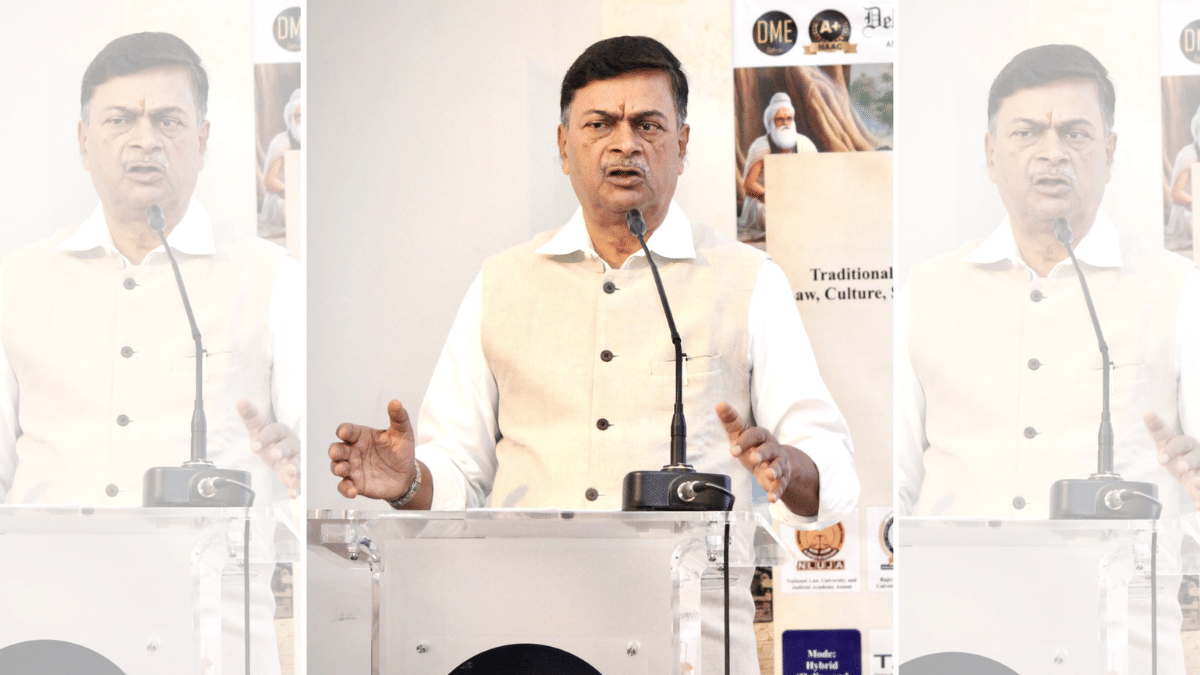
RK Singh says the Election Commission is handling a nationwide voter-list review unlawfully.
The review is called a special intensive revision, or SIR.
He says the law allows this kind of review only in particular constituencies and for recorded reasons.
He also says voter names were removed before people were properly checked or allowed to appeal.
Singh questioned changes to forms used to add or challenge voters.
He said poor people and workers away from home could be especially affected.
The Election Commission says disagreements among its members are a normal part of making decisions.
The Supreme Court supported the general review but said the commission cannot decide whether someone is an Indian citizen.

Former Union minister RK Singh accused Chief Election Commissioner Gyanesh Kumar and his “bosses” of violating election law during the nationwide special intensive revision (SIR).
Singh argued that Section 21 permits special revisions only in specific constituencies or parts of constituencies, with reasons recorded in writing.
He alleged that Kumar improperly changed Form 6, centralized electoral-roll revisions, and removed voters before proper verification or appeals were completed.
Singh questioned bulk Form 7 objections, the Election Commission’s appeals involving West Bengal voters, and deletions based on “logical discrepancies.”
The Election Commission called internal disagreements normal, while the Supreme Court upheld the SIR but said the commission cannot determine Indian citizenship.
- Who
- Former Union minister RK Singh made allegations against Chief Election Commissioner Gyanesh Kumar and the Election Commission of India.
- What
- Singh alleged that the nationwide special intensive revision of electoral rolls, changes to Form 6, centralized processing, and voter deletions violated the law.
- When
- Singh made the allegations on Monday, September 28, 2026; the SIR has been underway since June 2025.
- Where
- The allegations concern electoral rolls across India, including reported processes in West Bengal and Goa.
- Why
- Singh said the revision exceeded the authority provided by election law and could disenfranchise eligible voters, particularly poor and underprivileged people.
Critics of the SIR
Election Commission and court position
Legality and scope
Critics of the SIR
Singh argued that Section 21 allows special revisions only in a specific constituency or part of one, with reasons recorded in writing, making a nationwide exercise illegal.
Election Commission and court position
The Supreme Court upheld the general legality of the SIR, although it said the Election Commission cannot decide whether a person is an Indian citizen.
Voter deletions and verification
Critics of the SIR
Singh alleged that voters were removed without proper inquiry or show-cause notices, before appeals were resolved, shifting the burden of proving eligibility onto citizens.
Election Commission and court position
The Election Commission has not accepted Singh’s allegations; it said focusing on selected internal notes overlooks the broader body of approvals, decisions, and instructions.
Internal disagreements and administration
Critics of the SIR
Singh and reported objections by Sukhbir Singh Sandhu and Vivek Joshi raised concerns about changes to Form 6, bulk Form 7 objections, centralized electoral-roll databases, and the authority for voter deletions.
Election Commission and court position
The Election Commission said operational questions and differing views among members during draft stages are standard parts of institutional deliberation and decision-making.
- Main accuser
- RK Singh, a former Union minister and former home secretary
- Election official named
- Gyanesh Kumar, Chief Election Commissioner
- Exercise
- Nationwide special intensive revision of electoral rolls
- Law cited
- Section 21 of the Representation of the People Act, 1950
- Forms discussed
- Form 6 for new voter registration and Form 7 for objections to voter inclusion
- Reported deletion claim
- Singh claimed that 13 crore names, or 13% of voters, had been deleted through the SIR
- Institutional response
- The Election Commission said differing views during draft stages are normal, while the Supreme Court upheld the general SIR but limited the commission’s role on citizenship