

Archive · 7 Jan 2026
US Banks: Depositing Over $5,000 in Cash
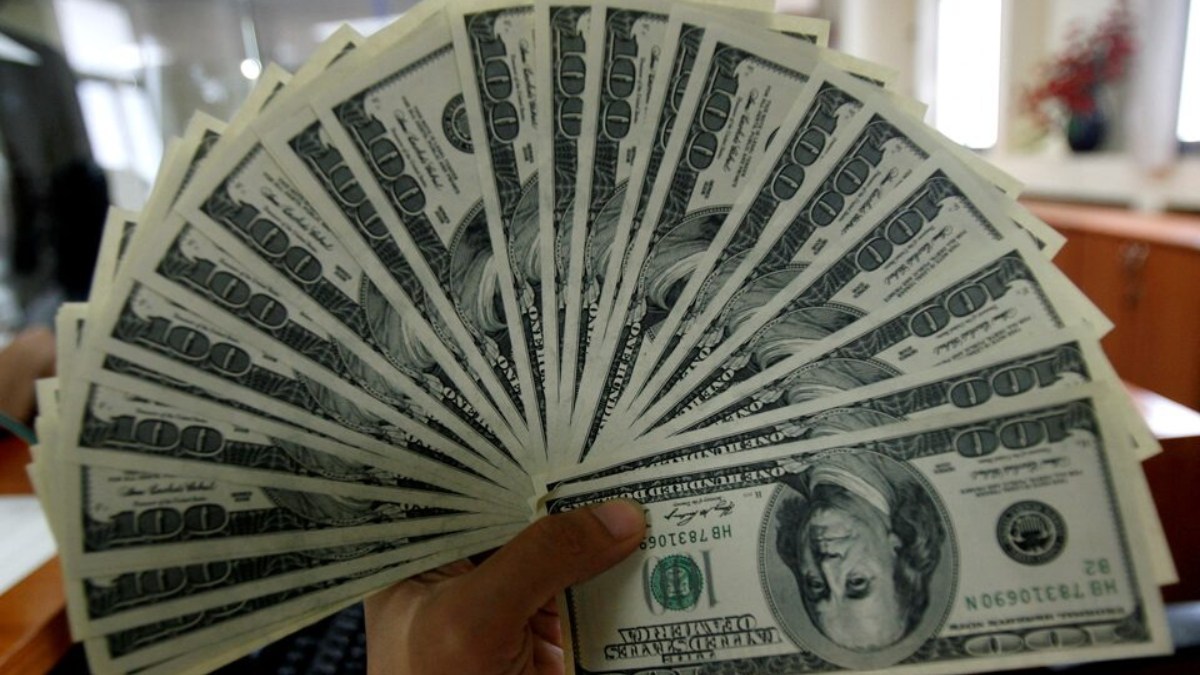
When you deposit more than $5,000 in cash at a US bank, they might look at your account more carefully.
If you deposit over $10,000, the bank has to tell the government about it.
This is to help stop bad things like money laundering.
The bank won't tell the tax people (IRS) unless you didn't report the money as income.
You might have to explain where the money came from, like if it's from selling something or a gift.
It's not about taxes, but about keeping money safe and legal.

Deposits over $5,000 may trigger closer scrutiny by the bank
Deposits over $10,000 require banks to file a Currency Transaction Report with FinCEN
Banks do not automatically notify the IRS about large cash deposits
Customers may be asked to explain the source of large cash deposits
Tax issues only arise if the money represents unreported taxable income
- Who
- US bank customers depositing large cash amounts
- What
- Increased scrutiny and potential reporting of cash deposits over $5,000
- When
- During the deposit process and potentially after
- Where
- At US banks
- Why
- To prevent money laundering and other financial crimes
- Threshold for scrutiny
- $5,000
- Threshold for reporting
- $10,000
- Reporting agency
- Financial Crimes Enforcement Network (FinCEN)
- Reporting law
- Bank Secrecy Act
- IRS notification
- No, unless taxable income is unreported