

Archive · 30 Dec 2025
NCERT Introduces Baudhayana-Pythagoras Theorem in Class 8
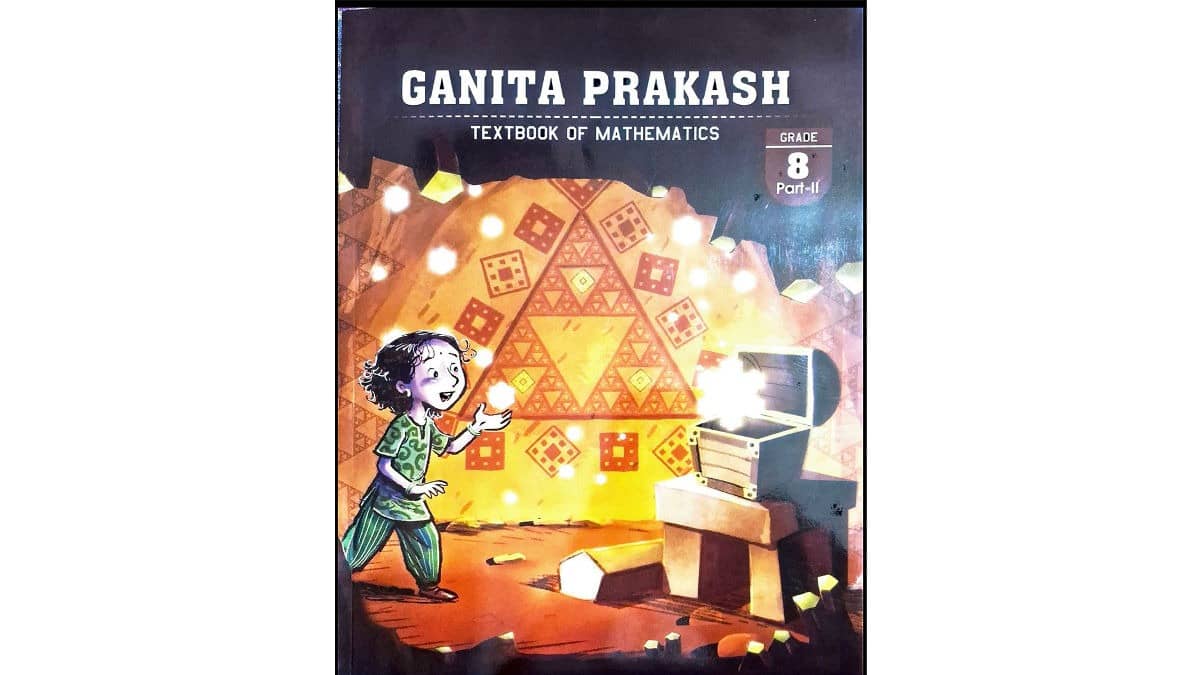
The Class 8 NCERT math textbook now calls the Pythagoras Theorem the Baudhayana-Pythagoras Theorem.
This is because an ancient Indian mathematician named Baudhayana discovered it before Pythagoras.
The book explains the theorem using Baudhayana's old text, the Sulba Sutra.
It shows how to make a square with double the area and uses examples from other old Indian texts.
The book also talks about percentages using examples from Kautilya's Arthashastra and teaches about fractals in nature.
The goal is to help students understand math better, not just memorize it.

The Class 8 NCERT math textbook now refers to the Pythagoras Theorem as the Baudhayana-Pythagoras Theorem, crediting ancient Indian mathematician Baudhayana.
Baudhayana's Sulba Sutra is used to explain the theorem through practical construction problems, such as creating a square with double the area.
The textbook includes examples from Bhaskaracharya's Lilavati and Kautilya's Arthashastra to provide historical context and applications.
The revised textbook aims to move beyond rote learning by balancing informal and formal methods to develop both intuition and rigor in students.
New additions include sections on percentages with historical references and an introduction to fractals in nature.
- Who
- Baudhayana, an ancient Indian mathematician, and Pythagoras, a Greek philosopher-mathematician
- What
- The introduction of the Baudhayana-Pythagoras Theorem in the Class 8 NCERT mathematics textbook
- When
- Baudhayana lived around the 8th-7th century BCE, and Pythagoras lived around 500 BCE
- Where
- India, as referenced in the NCERT textbook
- Why
- To acknowledge the historical origins of the theorem and move beyond rote learning
- Ancient Mathematician
- Baudhayana
- Time Period
- 8th-7th century BCE
- Textbook
- Ganita Prakash
- Theorem Name
- Baudhayana-Pythagoras Theorem
- Class
- 8
- Key Text
- Baudhayana's Sulba Sutra
- Example Problem
- Creating a square with twice the area
- Additional Reference
- Bhaskaracharya's Lilavati