

Archive · 21 Aug 2026
Why Parking Outside Your Delhi Home Isn’t Yours
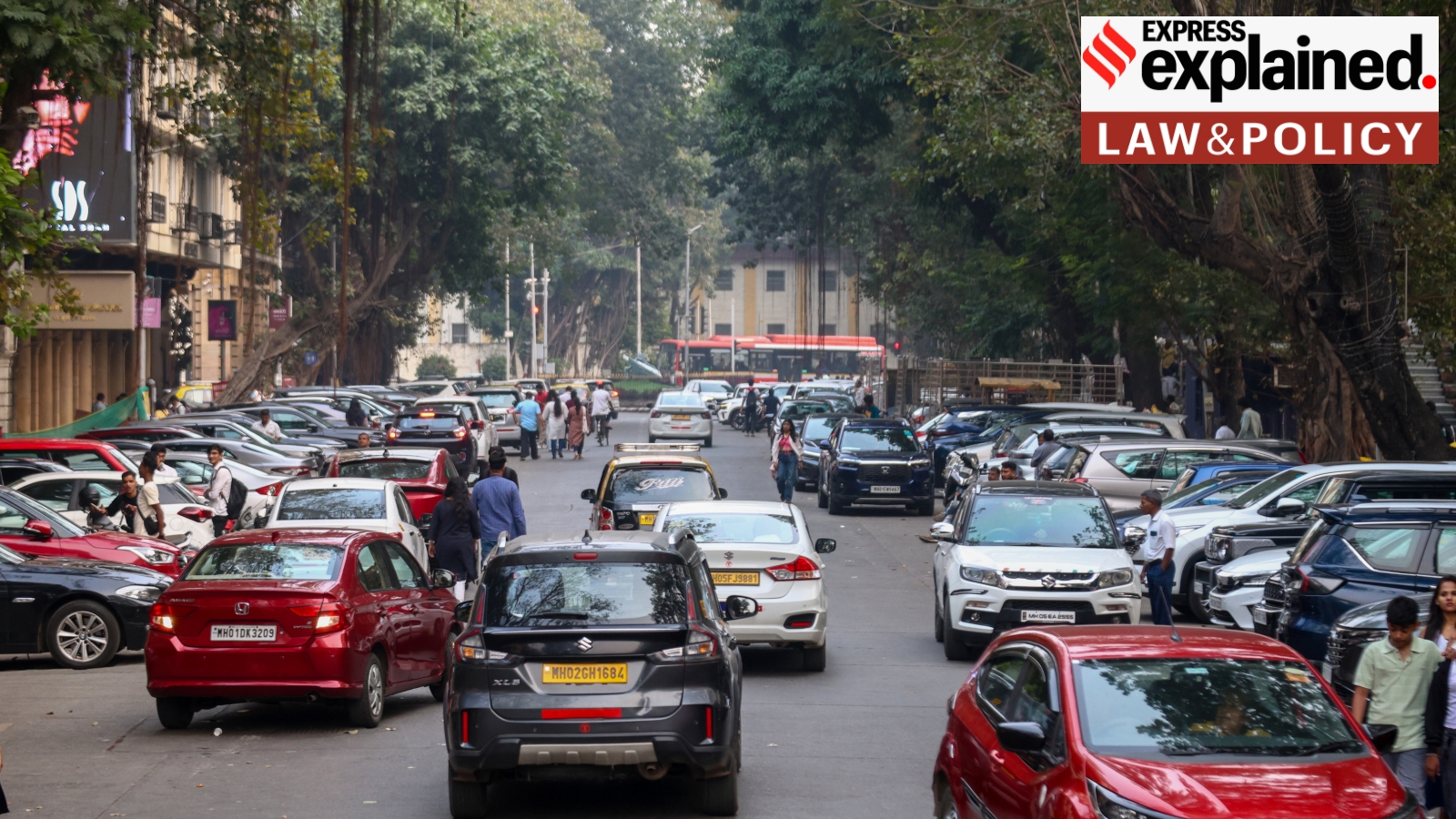
The road outside your home is usually a public road, not part of your property.
This means the government controls how that space is used.
Living next to a road does not give you a permanent right to park there.
Using the same spot for many years does not change that rule.
Parking may be allowed if the authorities permit it.
A vehicle cannot be left where it creates danger, blocks traffic or causes serious inconvenience.
Delhi also bans parking in places such as footpaths, parks, green areas, bus stops and near many intersections.
Officials can tow or immobilize vehicles that break parking rules.
The goal is to keep roads moving and leave space for emergency vehicles.

Delhi’s public streets belong to the municipal corporation, not adjoining homeowners.
Residents do not gain exclusive parking rights through property ownership or long-term use.
Parking on public roads is allowed only where authorities permit it and when it does not obstruct others.
Delhi rules prohibit parking near intersections, in green areas, on footpaths, at bus stops and in other restricted locations.
The Delhi Police is asking traffic circles to identify congestion and encroachment problem areas as part of a new management plan.
- Who
- The Delhi Police, civic authorities, residents and other road users are involved; Commissioner Anurag Kumar directed traffic circles to identify problem areas.
- What
- Delhi is preparing a congestion-management plan while clarifying that residents do not own or exclusively control public-road parking outside their homes.
- When
- The plan is being prepared; the article does not specify a date.
- Where
- On public streets and residential roads in Delhi.
- Why
- To improve traffic flow, address encroachment and unauthorised parking, reduce congestion, and preserve access for emergency vehicles.
Residents’ practical needs
Public regulation and access
Claim to the space outside a home
Residents’ practical needs
Residents may believe that living beside a road or using a parking spot for a long time gives them a special entitlement.
Public regulation and access
The law described in the article gives adjoining homeowners no exclusive right over a public street, regardless of long-term use.
Parking in residential colonies
Residents’ practical needs
The Supreme Court recognized that some residential areas may need to permit road parking because homes cannot hold all the vehicles.
Public regulation and access
Any permitted parking remains regulated by public authorities and cannot create danger, obstruction or undue inconvenience for other users.
Managing crowded streets
Residents’ practical needs
Residents’ and Resident Welfare Associations’ views are to be considered in residential parking plans.
Public regulation and access
Authorities must enforce parking restrictions, address encroachments and keep a lane available for emergency vehicles.
- Public-street ownership
- Section 298 of the Delhi Municipal Corporation Act, 1957 vests public streets in the Corporation.
- Resident rights
- The article states that no provision gives a homeowner an exclusive right over the road outside the property.
- Parking obstruction
- Section 122 of the Motor Vehicles Act, 1988 bars leaving a vehicle where it causes or is likely to cause danger, obstruction or undue inconvenience.
- Delhi restrictions
- The 2019 Delhi parking rules prohibit on-street parking within 25 metres of an intersection and in green areas, parks, footpaths and bus stops, among other places.
- Residential planning
- Area Parking Plans must include residential parking arrangements and be prepared in consultation with residents or Resident Welfare Associations.
- Emergency access
- Residential colony roads must keep one lane free for emergency vehicles.
- Court ruling
- In M.C. Mehta v Union of India (2019), the Supreme Court directed notification of Delhi’s 2019 parking rules and linked effective parking policy with reduced congestion, pollution and crime.