

Archive · 19 Jan 2026
India's Food Waste Crisis Fuels Climate Disaster
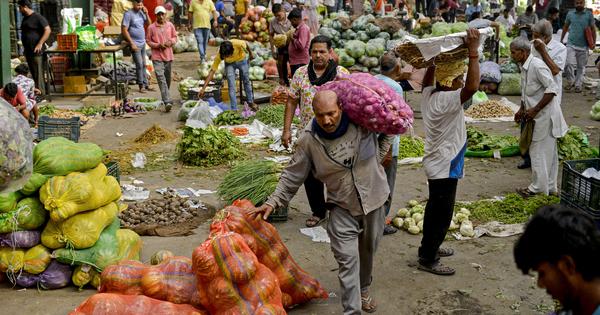
India is wasting a lot of food, which is making the climate crisis worse.
While many people in India are hungry, a huge amount of food is being thrown away.
This food waste ends up in landfills and releases a harmful gas called methane, which is very bad for the environment.
The problem starts at the farms where food is grown, continues through the supply chain, and ends with people throwing away food at home.
To fix this, India needs better storage, transport, and policies to reduce waste and help the environment.

India wastes 78.2 million tonnes of food annually, valued at Rs 92,000 crore.
Extreme weather events like heatwaves and floods are destroying crops and worsening food waste.
Food waste in landfills releases methane, a potent greenhouse gas, exacerbating climate change.
Inefficient supply chains and lack of infrastructure contribute to significant food loss at various stages.
Current food security policies overlook perishable, nutrient-rich foods essential for combating malnutrition.
- Who
- India
- What
- Food waste crisis exacerbating climate change and hunger
- When
- Ongoing, with recent extreme weather events
- Where
- India, particularly Punjab
- Why
- Inefficient supply chains, lack of infrastructure, and climate-driven disasters
- Annual Food Waste in India
- 78.2 million tonnes
- Value of Food Waste
- Rs 92,000 crore
- Percentage of Food Wasted
- 30%-40%
- Methane Potency
- 86 times more potent than CO2 over 20 years
- Global Hunger Index Rank
- 105th out of 127 countries
- Farm-Level Food Waste
- Up to 16% of fruits and vegetables
- Annual Economic Loss from Food Waste
- Rs 2 lakh crore
- Bio-CNG Production in Indore
- 77,400 km/day equivalent transport fuel