

Archive · 3 Oct 2025
India's Cold Desert Biosphere Reserve Joins UNESCO Network
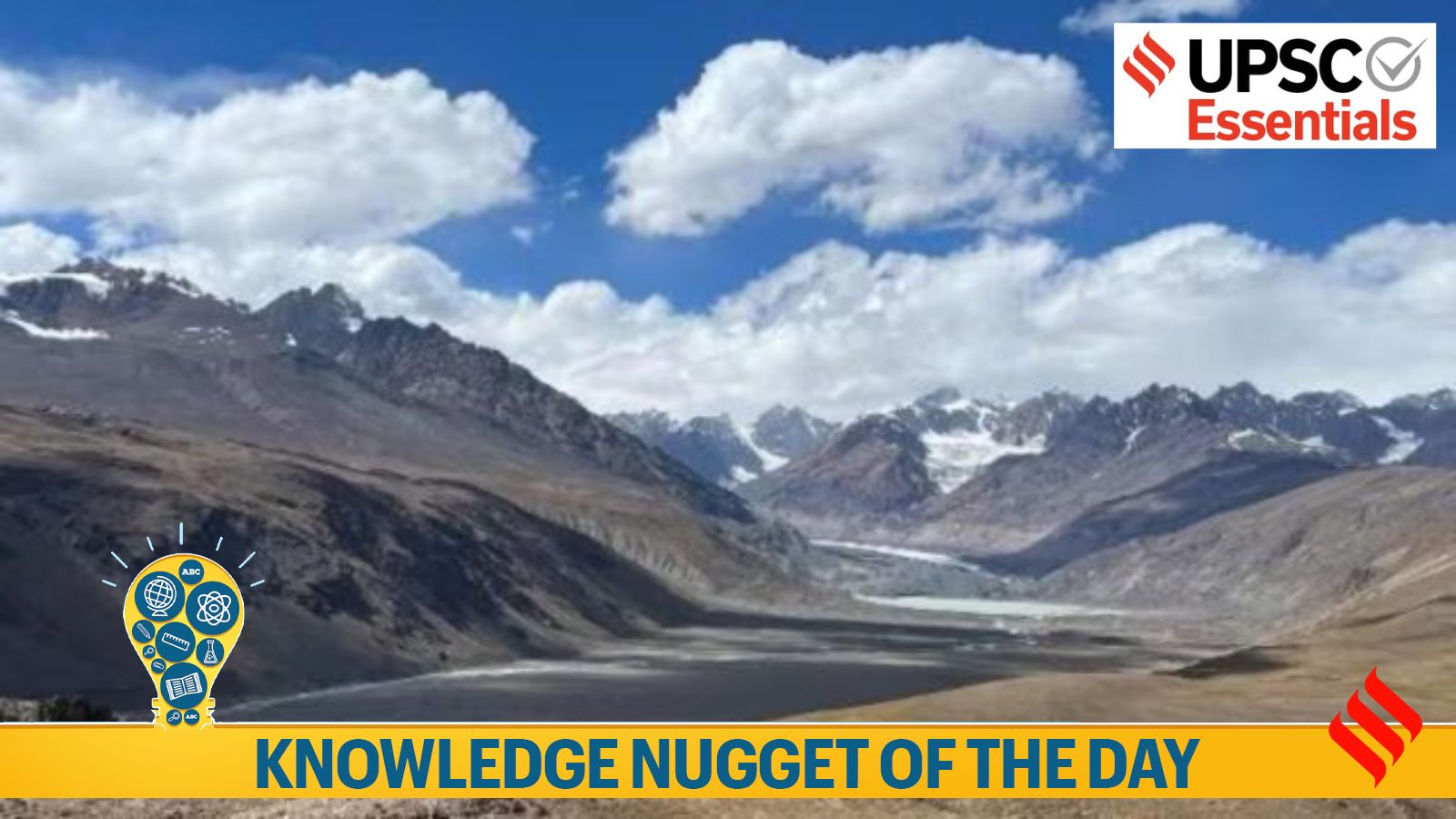
Imagine special protected areas called Biosphere Reserves, like the Cold Desert in India, where nature and people live together.
UNESCO, a global organization, recognizes these areas.
The Cold Desert, now recognized by UNESCO, includes mountains, valleys, and lakes, is home to unique plants, animals like snow leopards.
There are three zones: a core area for nature, a buffer area for research, and a transition area where people live and work sustainably.
India has several Biosphere Reserves that were nominated by the national government, aiming to protect biodiversity and improve life for local communities.
These areas follow UNESCO guidelines and receive government support.

The Cold Desert Biosphere Reserve (CDBR) in Himachal Pradesh has been added to UNESCO's World Network of Biosphere Reserves (WNBR).
The WNBR added 26 new biosphere reserves across 21 countries.
CDBR includes diverse ecosystems like glacial valleys and alpine lakes in the Trans-Himalayan region.
The CDBR is divided into core, buffer, and transition zones to balance conservation and sustainable use.
The Indian government provides financial aid for the management of biosphere reserves.
- Who
- UNESCO and the Indian government
- What
- The inclusion of the Cold Desert Biosphere Reserve in the World Network of Biosphere Reserves.
- When
- 2025 (inclusion), since 1971 (UNESCO MAB program)
- Where
- Lahaul-Spiti district, Himachal Pradesh, India and various locations globally
- Why
- To promote conservation and sustainable development of ecosystems and local communities.
- Location
- Himachal Pradesh, India
- Area
- 7,770 sq km
- UNESCO Network Inclusion
- 2025
- Number of Indian Biospheres in WNBR
- 13
- Key Feature
- Cold and dry ecosystem
- Zoning
- Core, buffer, and transition zones