

Archive · 20 Jul 2026
Are Blood Sugar Spikes After Meals Harmful?
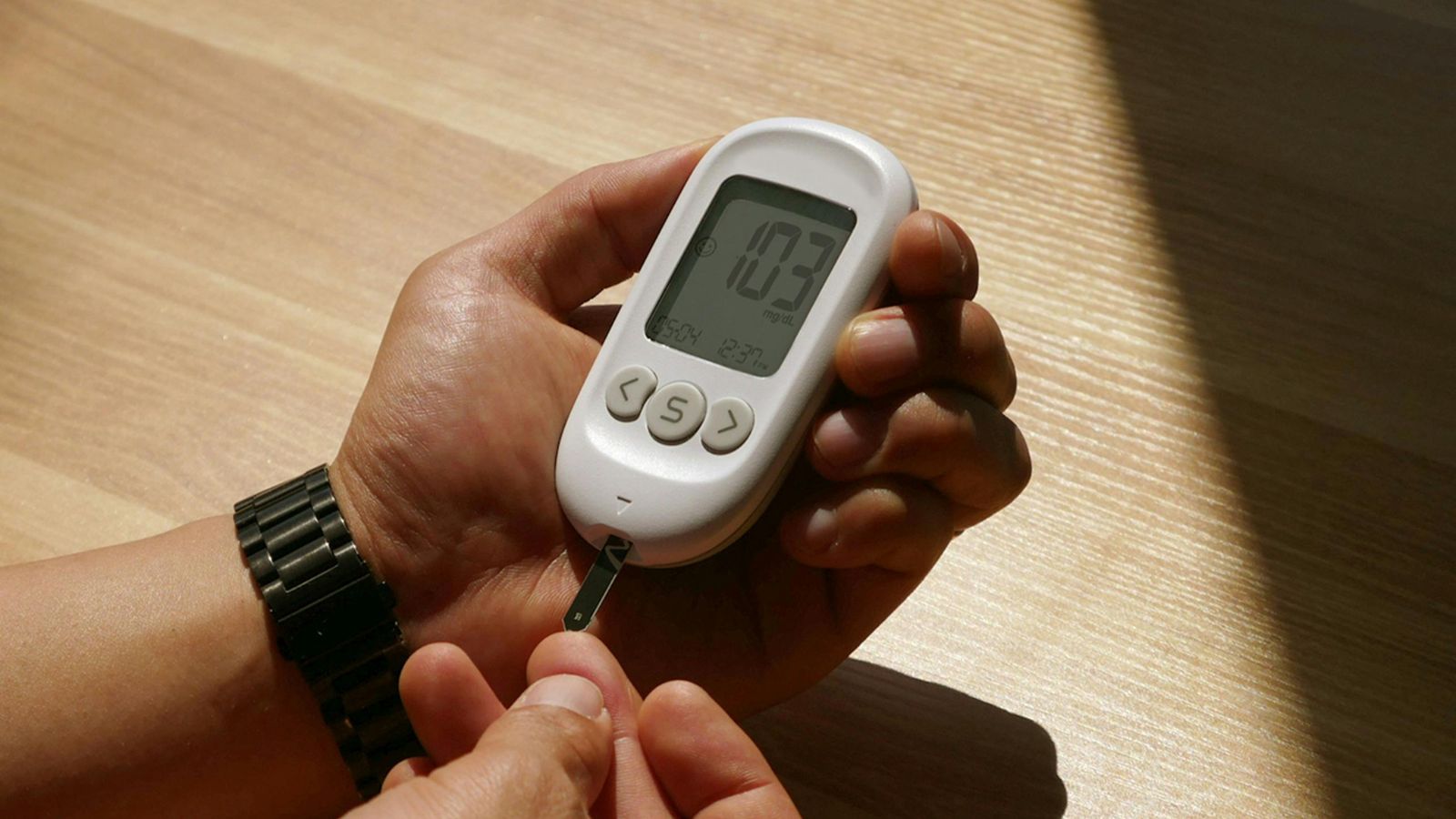
Blood sugar naturally goes up after eating, especially when we have carbohydrates.
This is normal and happens because our body uses glucose for energy.
However, if the spikes are very high, happen often, or take a long time to go back down, it might mean there's a problem like insulin resistance.
Experts say that for healthy people, occasional spikes from treats or big meals are not harmful.
What's more important is the overall pattern over time.
Some tips, like eating veggies and protein before carbs and walking after meals, can help keep blood sugar levels steady.
But worrying too much about every little spike can be bad for your health.
Instead, focus on eating balanced meals, getting good sleep, and managing stress.

Post-meal glucose spikes are normal and part of healthy metabolism.
Consistently high spikes (above 140 mg/dL after meals or above 100 mg/dL fasting) may indicate insulin resistance.
Occasional spikes from festive meals or desserts are not harmful for most healthy individuals.
Eating vegetables and protein before carbohydrates and walking after meals can help reduce spikes.
Constantly tracking glucose or avoiding fruit on an empty stomach has less scientific support.
- Who
- Healthy individuals and people with diabetes
- What
- Blood sugar spikes after meals and their implications
- When
- After consuming carbohydrates, especially meals
- Where
- General health and dietary context
- Why
- To understand the normalcy and potential risks of blood sugar spikes
- Normal Post-Meal Glucose Level
- Up to 140 mg/dL
- Concerning Fasting Glucose Level
- Above 100 mg/dL
- Recommended Post-Meal Activity
- Walking for 10-15 minutes
- Key Blood Sugar Habit
- Eating vegetables and protein before carbohydrates
- Impact of Poor Sleep
- Worsens insulin sensitivity