Archive · 16 Nov 2025
India Pushes for Comprehensive UNSC Reform, Citing Outdated Structure
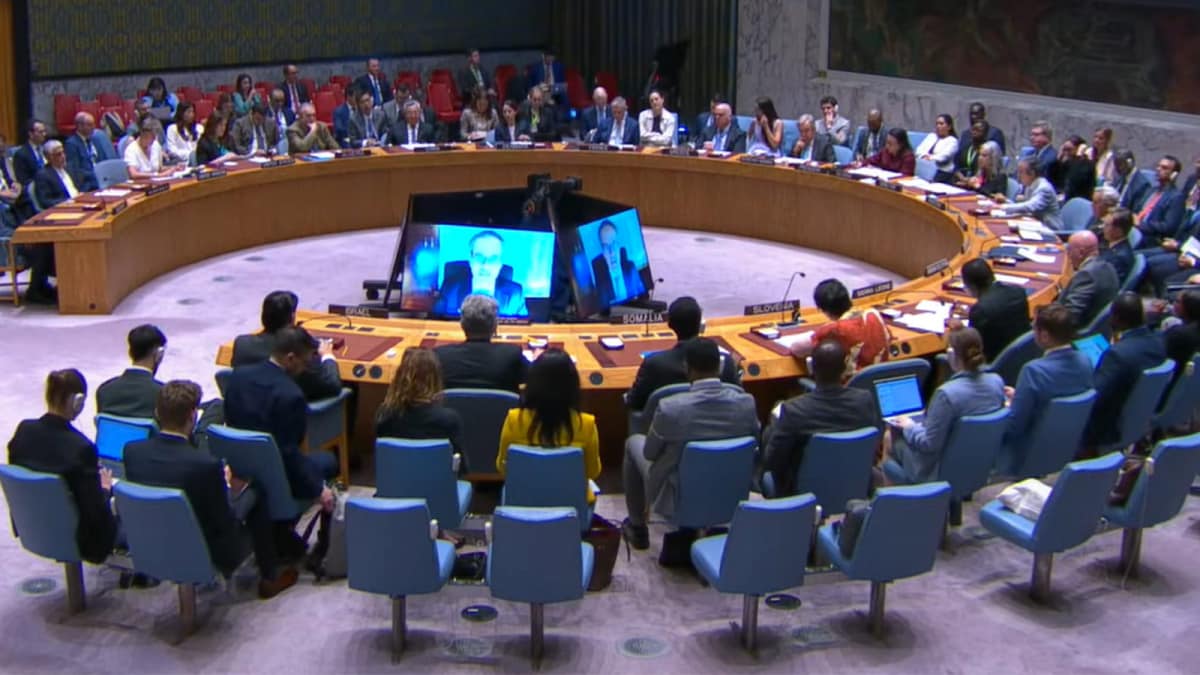
Imagine the UN Security Council is like a club for the world's most powerful countries that makes decisions about peace and safety.
India thinks this club's rules and who gets to be in charge are very old, from after World War II, and don't make sense anymore.
There are only a few top members who have a special power called a 'veto.'
India, along with friends like Brazil, Germany, and Japan, wants to make the club bigger and fairer by adding more permanent members and non-permanent members.
They believe this will make the club better at handling today's problems and more representative of all countries, especially including nations from Africa.
India feels that just changing small things won't be enough; the whole club's structure needs a makeover to be useful for the future.

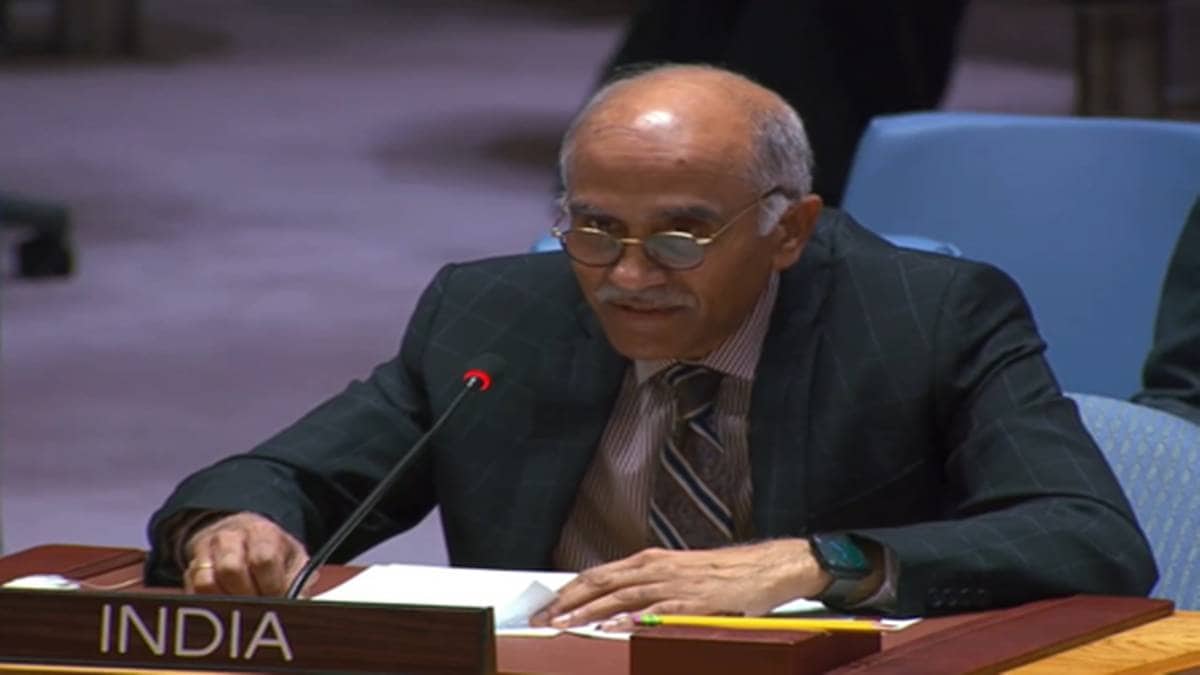
India is strongly advocating for a comprehensive reform of the United Nations Security Council (UNSC).
India argues the current eight-decade-old UNSC structure is outdated and ill-equipped for modern geopolitical realities.
Along with G4 partners (Brazil, Germany, Japan), India proposes increasing total UNSC membership to around 25-26 by adding permanent and non-permanent members.
India asserts its own credentials, including population, economy, and peacekeeping contributions, for permanent membership, and advocates for African representation.
India calls for the Inter-Governmental Negotiations (IGN) process to move towards text-based negotiations for a timely structural overhaul.
- Who
- India, supported by its G4 partners (Brazil, Germany, Japan)
- What
- India is advocating for a comprehensive reform and redesign of the United Nations Security Council (UNSC) to reflect current global realities.
- When
- Recently, during a UN debate on UNSC reform.
- Where
- United Nations Security Council
- Why
- The current eight-decade-old structure is considered anachronistic, ill-equipped for contemporary challenges, and not reflective of the global distribution of political, economic, and demographic weight.
India's Stance
Current UNSC Structure & Practices
Need for Reform
India's Stance
The UN Security Council's eight-decade-old structure is anachronistic and ill-equipped for current geopolitical realities, necessitating a complete redesign.
Current UNSC Structure & Practices
The current post-WWII structure, established in 1945 with five permanent members (P5) and veto power, is presented as the existing framework. The article implies that while India advocates for change, the current system remains in place with its established power dynamics.
Expansion of Membership
India's Stance
The Council must expand in both permanent and non-permanent categories to become more legitimate, representative, responsive, and effective, reflecting current global distribution of power.
Current UNSC Structure & Practices
The Council currently has 15 members, including five permanent members. The article highlights that adding only non-permanent seats would not be meaningful reform and would widen the gap between permanent and non-permanent members.
Inclusion of New Permanent Members
India's Stance
As the most populous nation, a major economy, and a significant contributor to UN peacekeeping, India, along with other deserving nations and African representation, should be granted permanent membership.
Current UNSC Structure & Practices
The current P5 structure, established after WWII, has not fundamentally changed to include new permanent members reflecting the current global landscape.
Negotiation Process
India's Stance
The Inter-Governmental Negotiations (IGN) process should move towards text-based negotiations in a time-bound manner to achieve structural overhaul.
Current UNSC Structure & Practices
The IGN process is the current mechanism for discussing reforms, but the article suggests it needs to become more decisive and time-bound to achieve actual structural change.
- Current UNSC Membership
- 15 (5 permanent, 10 non-permanent)
- Proposed UNSC Membership
- Around 25-26 (increase of 6 permanent, 4-5 non-permanent)
- Advocating Group
- G4 (India, Brazil, Germany, Japan)
- Key Argument
- Post-war architecture outdated, needs redesign
- India's Credentials
- Most populous nation, 5th largest economy, major contributor to UN peacekeeping
- Negotiation Process Mentioned
- Inter-Governmental Negotiations (IGN)