

Archive · 27 Jan 2026
Diabetes and Obesity Drugs May Help Psychiatric Disorders
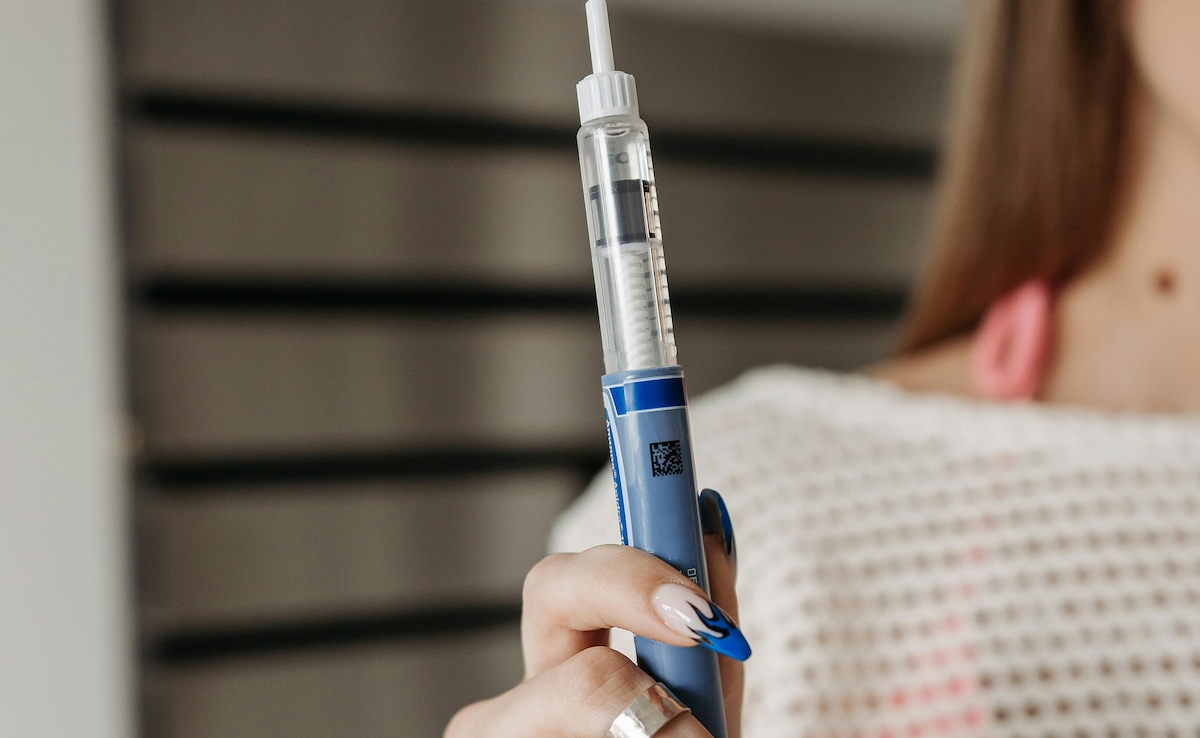
Doctors have been using special medicines called GLP-1 receptor agonists (GLP-1 RAs) to help people with diabetes and obesity.
These medicines help control blood sugar and promote weight loss.
Now, scientists are studying if these same medicines can also help people with serious mental illnesses like schizophrenia and bipolar disorder.
People with these conditions often have higher rates of diabetes and heart problems, which can lead to earlier death.
Early research shows that GLP-1 RAs might improve both physical and mental health in these patients.
However, more studies are needed to fully understand the benefits and risks.
Doctors need to carefully monitor patients using these medicines to ensure they are safe and effective.

GLP-1 receptor agonists (GLP-1 RAs) are primarily used for type 2 diabetes and obesity.
Emerging research suggests GLP-1 RAs may improve survival and health span in people with severe psychiatric disorders.
People with serious mental illness (SMI) face a mortality gap of 5-25 years due to higher rates of cardiometabolic disease.
GLP-1 RAs are generally safe but may cause gastrointestinal discomfort and require careful monitoring.
More rigorous studies are needed to fully understand the therapeutic role of GLP-1 RAs in psychiatric care.
- Who
- People with serious mental illness (SMI) such as schizophrenia, bipolar disorder, and major depressive disorder
- What
- Potential benefits of GLP-1 receptor agonists (GLP-1 RAs) in improving metabolic and psychiatric health
- When
- Emerging research and clinical trials are ongoing
- Where
- Global research and clinical settings
- Why
- To address metabolic risks and improve long-term outcomes in psychiatric populations
- Drugs
- GLP-1 receptor agonists (GLP-1 RAs)
- Primary Use
- Type 2 diabetes and obesity
- Examples
- Liraglutide, semaglutide, tirzepatide
- Potential Benefits
- Improved survival and health span in severe psychiatric disorders
- Mortality Gap
- 5-25 years for people with serious mental illness (SMI)
- Safety
- Generally safe, but side effects include gastrointestinal discomfort
- Research Status
- Evidence is preliminary, more studies needed