Archive · 13 Jun 2025
India Considers AC Temperature Limits to Cut Energy Use
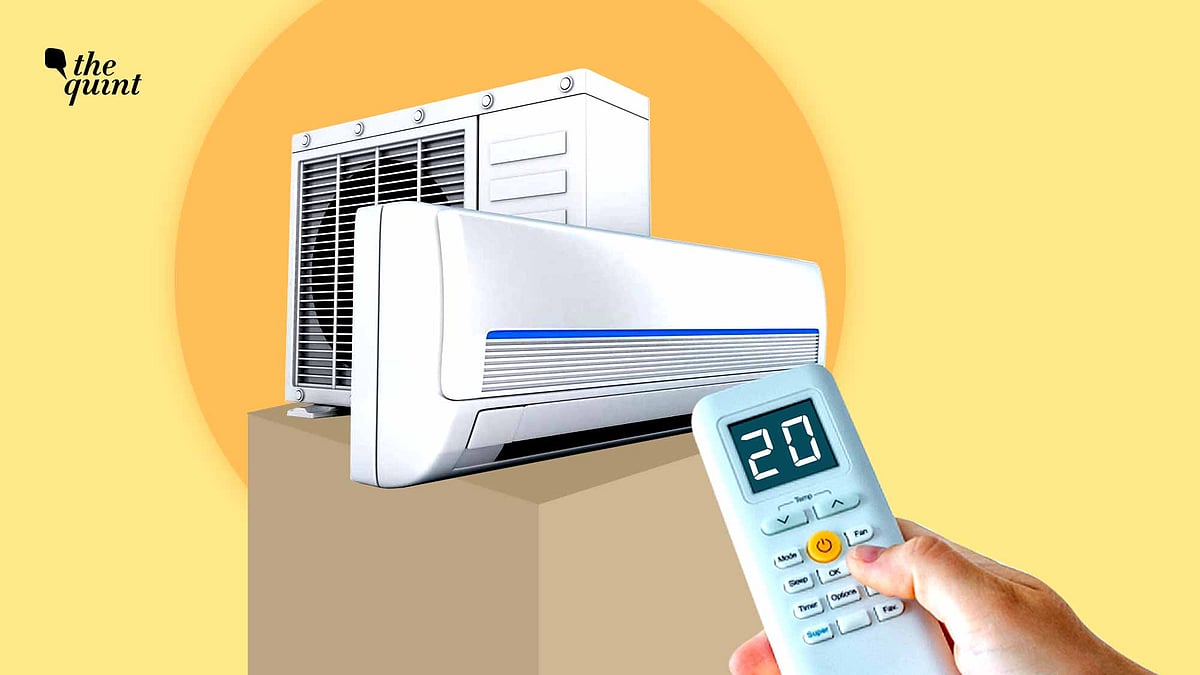
The Indian government is thinking about making rules for how cold you can set your air conditioners (ACs) to save electricity.
ACs use a lot of power, and this plan is meant to help prevent power shortages and save money in the long run.
The government believes warmer AC settings can also be better for people's health.
Other countries have similar rules, and this could help India use less energy and avoid building new power plants.

India is considering regulating AC temperatures between 20-28°C to conserve energy.
The government aims to reduce strain on the power grid, as ACs account for a significant portion of electricity use.
Tighter regulations could save up to 60 GW of peak demand by 2035, potentially avoiding significant infrastructure costs.
Moderate AC settings can have positive impacts on personal health, reducing risks of temperature shock and respiratory issues.
The proposed temperature range is more flexible compared to some other countries' regulations.
- Who
- Government
- What
- Proposed regulation of AC temperature settings.
- When
- Announced recently
- Where
- India
- Why
- To conserve electricity and reduce strain on the power grid.
Proponents of Regulation
Potential Concerns
Impact
Proponents of Regulation
Energy conservation and reduced power demand.
Potential Concerns
Potential intrusion on individual comfort and possible market interference.
- Proposed Temperature Range
- 20-28 degrees Celsius
- AC Contribution to Peak Demand
- Approx. 20%
- Estimated Savings by 2035
- Up to 60 GW of peak demand
- India's Goal
- Net-zero emissions by 2070
Sources
AC Temperature New Rule: When Will Settings To Be Changed, Manufacturers Give Roll Out Timeline
Govt Plans to Set 20°C as the Minimum AC Temperature, But Why?

AC cabin regulation to increase cost of truck production by 1 to 2 per cent

Let India’s AC market evolve to find its own comfort zone