1 hr ago
India's Higher Education Expands, But Regional Capacity Gaps Persist
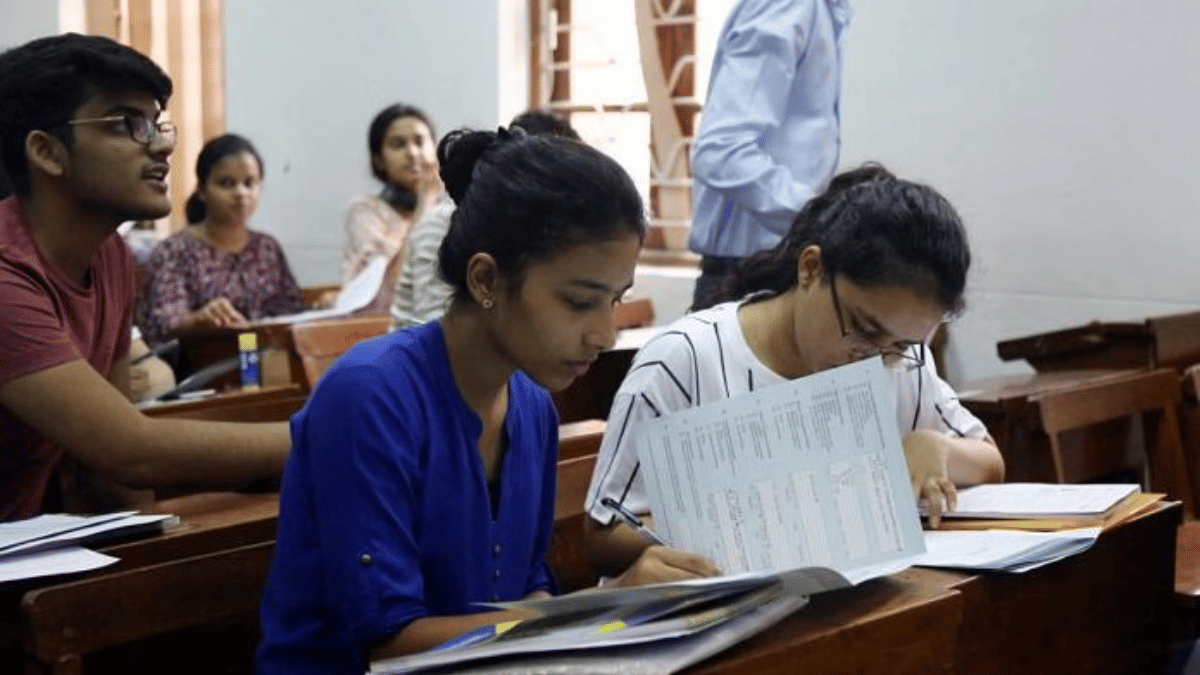
India has built many more colleges and universities over the past 25 years.
The number of colleges available for young people has increased sharply.
However, these institutions are not spread evenly across the country.
Bihar, Uttar Pradesh and Jharkhand have many young people but fewer institutions for them.
Students in these states also enroll in higher education at lower rates than the national average.
Many colleges are concentrated in a small number of districts, such as Bengaluru Urban and Jaipur.
This means some places have many education options while others face shortages.
The report says India should build colleges and universities where future students will live.
It also recommends creating connected education hubs instead of isolated institutions.

India added 34,840 colleges and 980 universities since 2001, raising colleges per lakh people aged 18–23 from nine to 37.
Bihar, Uttar Pradesh and Jharkhand have the widest gaps between higher-education capacity and the size of their young populations.
Higher-education GER in 2023–24 was 17.66% in Bihar, 19.43% in Jharkhand and 25.97% in Uttar Pradesh, compared with about 30% nationally.
Twenty districts account for 28% of India’s universities, while Bengaluru Urban and Jaipur have the country’s largest college concentrations.
The report recommends building connected higher-education ecosystems in emerging demographic centres rather than adding isolated institutions.
- Who
- Jetri and Impactica.org released the report, which examines India’s higher-education institutions and capacity.
- What
- The report found that higher-education capacity has expanded nationwide but remains unevenly distributed, with major gaps in Bihar, Uttar Pradesh and Jharkhand.
- Where
- Across India, with the largest reported capacity gaps in Bihar, Uttar Pradesh and Jharkhand and major institutional concentrations in districts such as Bengaluru Urban and Jaipur.
- When
- The report was released Wednesday; its participation figures include the 2023–24 academic year.
- Why
- The report argues that capacity must be aligned with the location and future growth of India’s young population to prevent widening regional disparities in access.
Key facts
- Report title
- The Geography of Higher Education in India
- Report publishers
- Jetri and Impactica.org
- Expansion since 2001
- 34,840 colleges and 980 universities added
- Colleges per lakh young people
- Increased from 9 to 37 among people aged 18–23
- National higher-education GER
- About 30% in 2023–24
- State GER figures
- Bihar: 17.66%; Jharkhand: 19.43%; Uttar Pradesh: 25.97% in 2023–24
- University concentration
- Twenty districts account for 28% of India’s universities
- Largest college concentrations
- Bengaluru Urban has 1,225 colleges and Jaipur has 809
Quotes
Vrunda Bansode
Founder and CEO of Impacatica.org
“India has already demonstrated that it can build higher education at an extraordinary scale. The next test is precision: understanding where future students will be, where capacity is weakest and where new institutions can have the greatest impact on opportunity and regional growth.”
 theprint.in
“The story is no longer simply about expanding capacity. It is about matching capacity to demand. India can already see where the next pressure points will emerge, creating an opportunity to plan before those students arrive.”
theprint.in
Sources
Related news

India’s Higher Education Needs a Transparent Public Data System
West Bengal’s Youth Employability Crisis Threatens Its Demographic Advantage
Jitu Patwari Says Education System Fails Demographic Dividend
At SRCC Centenary, Joshi Highlights India’s Education Growth

India’s Poll-Bound States Show Uneven Youth Employment Crisis

AISA Flags Recruitment, Education and Unemployment Concerns in Uttar Pradesh
Belagavi Woman Allegedly Killed by Husband After Seeking Divorce

KPPL Draft 2026 Finalises Squads for Inaugural Season

Aequs Bets on Hosur Plant for Next Growth Phase
Karnataka Road Accidents Leave Three Dead, Several Injured