

Archive · 5 Nov 2025
New Broad-Spectrum Snake Bite Antivenom Developed by Scientists
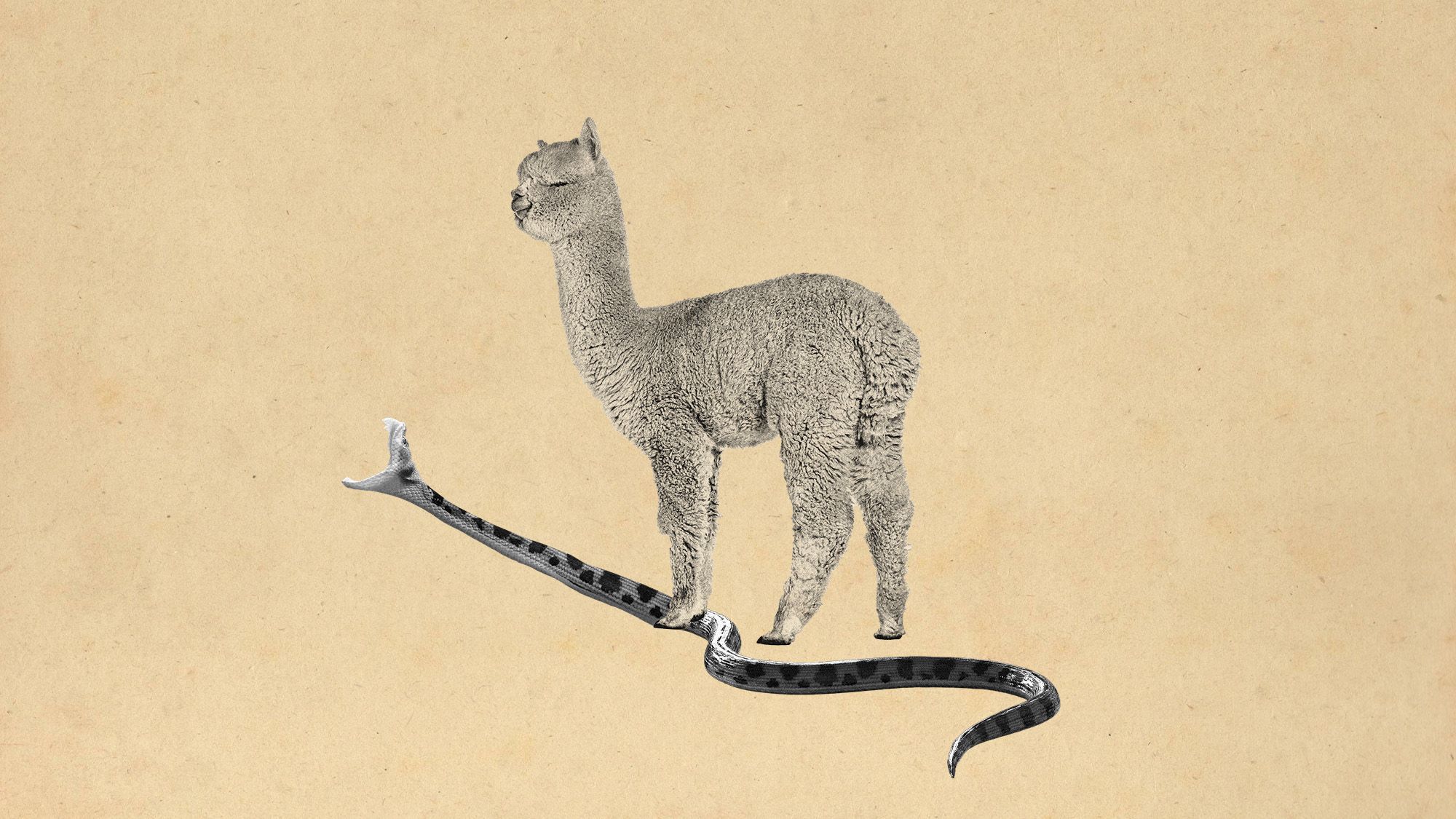
Imagine a super medicine that can help when someone is bitten by many different kinds of poisonous snakes, not just one kind.
Scientists have made a new kind of medicine for snake bites using special tiny parts from the bodies of alpacas and llamas.
These tiny parts are like super-powered helpers that can fight off the poison from many snakes, including cobras and mambas.
Current medicines for snake bites are like using the wrong key for a lock; they only work for one type of snake.
This new medicine is like a master key that can open many locks.
It's also easier to keep, like dried soup that you add water to, instead of needing a cold fridge.
It seems to cause fewer problems, like not hurting the skin where it's given.
However, scientists are still testing it, and it might not work perfectly for every single snake, and it works best if given right after the bite.
It has only been tested on mice so far, so it's not ready for people yet.

Scientists have developed a new broad-spectrum antivenom effective against 17 out of 18 elapid species in Africa.
The antivenom uses engineered nanobodies from camelids (llamas and alpacas), which are smaller and more stable than traditional antibodies.
This new antivenom aims to overcome limitations of current treatments, such as requiring identification of the snake species and causing serious side effects.
Potential benefits include reduced tissue damage, faster action, and the ability to be stored without refrigeration after being freeze-dried.
The antivenom has shown promise in mice but requires further testing on humans and may have limitations in effectiveness if administered late or against certain venoms.
- Who
- Scientists, including Anne Ljungars and Nicholas Casewell
- What
- Developed a new broad-spectrum snake bite antivenom using nanobodies derived from alpaca and llama antibodies.
- When
- Study published in the journal Nature (specific date not mentioned)
- Where
- Focuses on elapids found in Africa.
- Why
- To create a more effective and accessible treatment for snake bites, addressing limitations of current antivenoms like species-specific requirements, side effects, and storage needs.
- Target Snake Family
- Elapidae
- Species Covered
- 17 of 18 elapids in Africa (e.g., cobras, mambas, rinkhals)
- Animal Model
- Mice
- Potential Advantages
- Broader effectiveness, fewer side effects, easier storage (freeze-dried)
- Current Status
- Tested in mice, not yet on humans