

Archive · 18 Jul 2026
Supreme Court questions two-child rule for panchayat elections
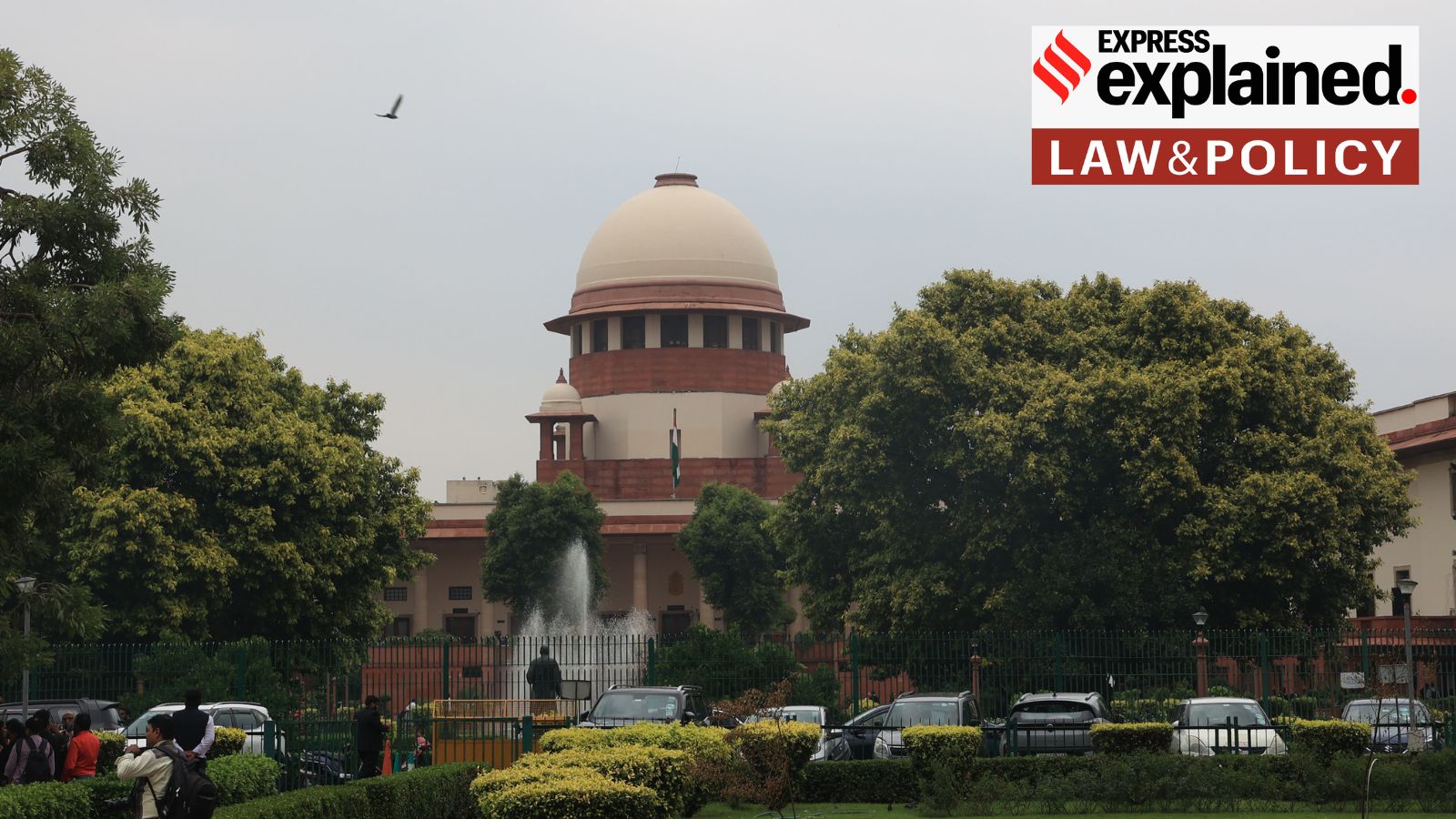
The Supreme Court is thinking about whether a rule that stops people with more than two children from running in local village elections is still needed.
This rule was made to control population growth, but now that fewer people are having children, the court is wondering if the rule is still fair or useful.
Some states are even encouraging people to have more children because their populations are getting older and smaller.
The court is looking at whether this old rule still makes sense today.

The Supreme Court questioned the two-child rule for panchayat elections on July 14.
The rule was originally intended to control population growth but may no longer be necessary due to declining fertility rates.
Several states, including Andhra Pradesh and Sikkim, are now encouraging larger families due to low fertility rates.
The Supreme Court appointed an amicus curiae to investigate similar laws in other states.
The court's decision could impact the eligibility of candidates in local elections across multiple states.
- Who
- The Supreme Court of India, including Justices P S Narasimha and Alok Aradhe
- What
- Questioned the validity and purpose of the two-child rule for panchayat elections
- When
- July 14
- Where
- India
- Why
- To reconsider the rule's relevance in light of declining fertility rates and changing demographic trends
Proponents of the Two-Child Rule
Opponents of the Two-Child Rule
Purpose and Effectiveness
Proponents of the Two-Child Rule
The two-child rule was implemented to control population growth and promote family planning, which was necessary when fertility rates were high.
Opponents of the Two-Child Rule
With declining fertility rates, the rule may no longer be necessary and could be seen as an outdated and arbitrary restriction.
Legal and Constitutional Validity
Proponents of the Two-Child Rule
The rule is a valid legislative measure aimed at achieving socio-economic welfare and healthcare improvements, as upheld by the Supreme Court in Javed v State of Haryana.
Opponents of the Two-Child Rule
The rule may infringe on personal liberties and could be challenged under Article 21 of the Constitution, which guarantees the right to life and liberty.
- Date of Supreme Court Hearing
- July 14
- States with Similar Laws
- Haryana, Rajasthan, Odisha, Andhra Pradesh, Madhya Pradesh
- Total Fertility Rate (TFR) in India
- Below replacement level of 2.1
- Andhra Pradesh TFR
- Around 1.5
- Sikkim TFR
- About 1.1