9 months ago
Jharkhand's 25-Year Journey: From Adivasi Struggle to Unfulfilled Promise
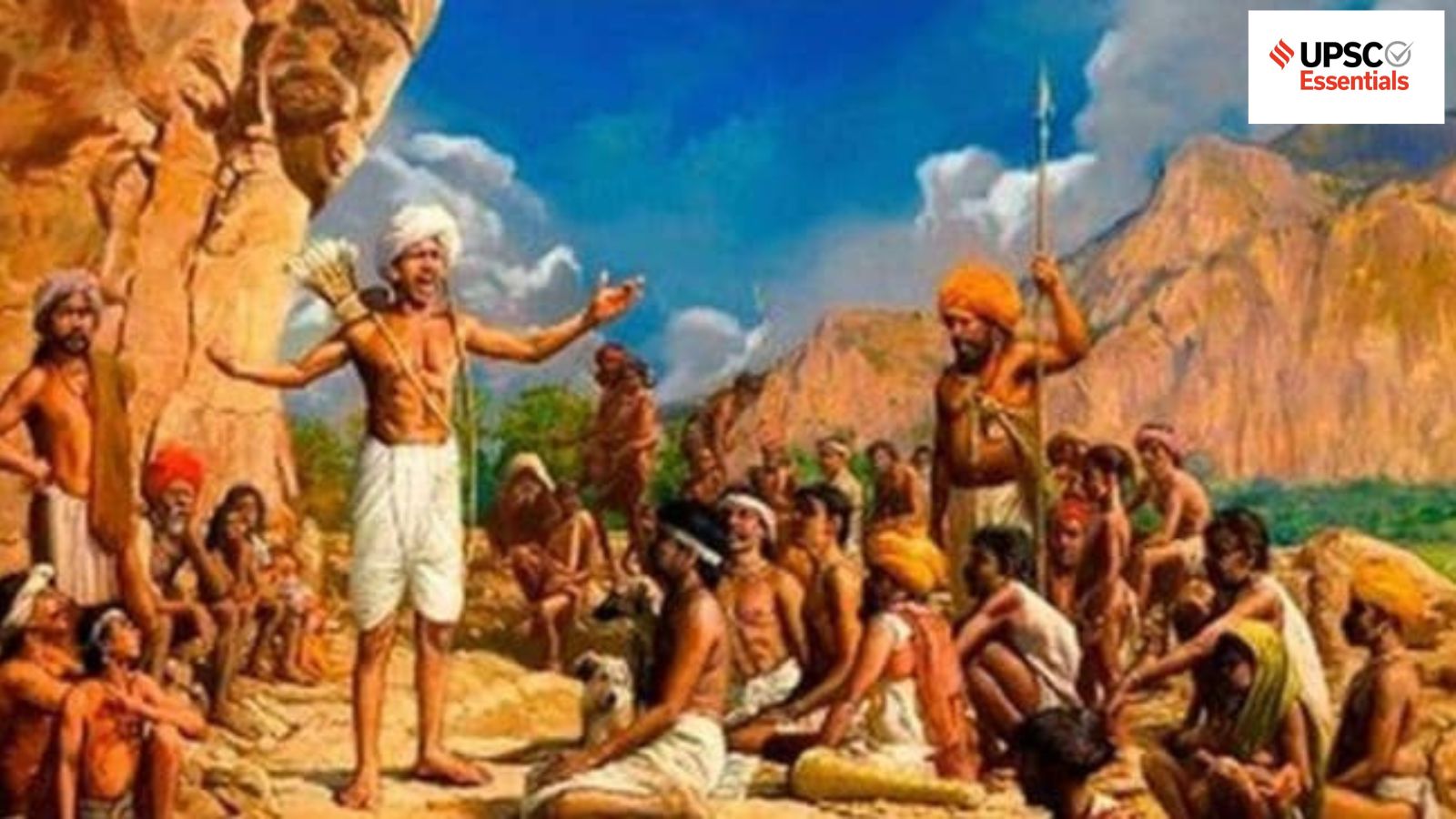
A long time ago, people called Adivasis felt like outsiders were taking their land and not respecting their way of life.
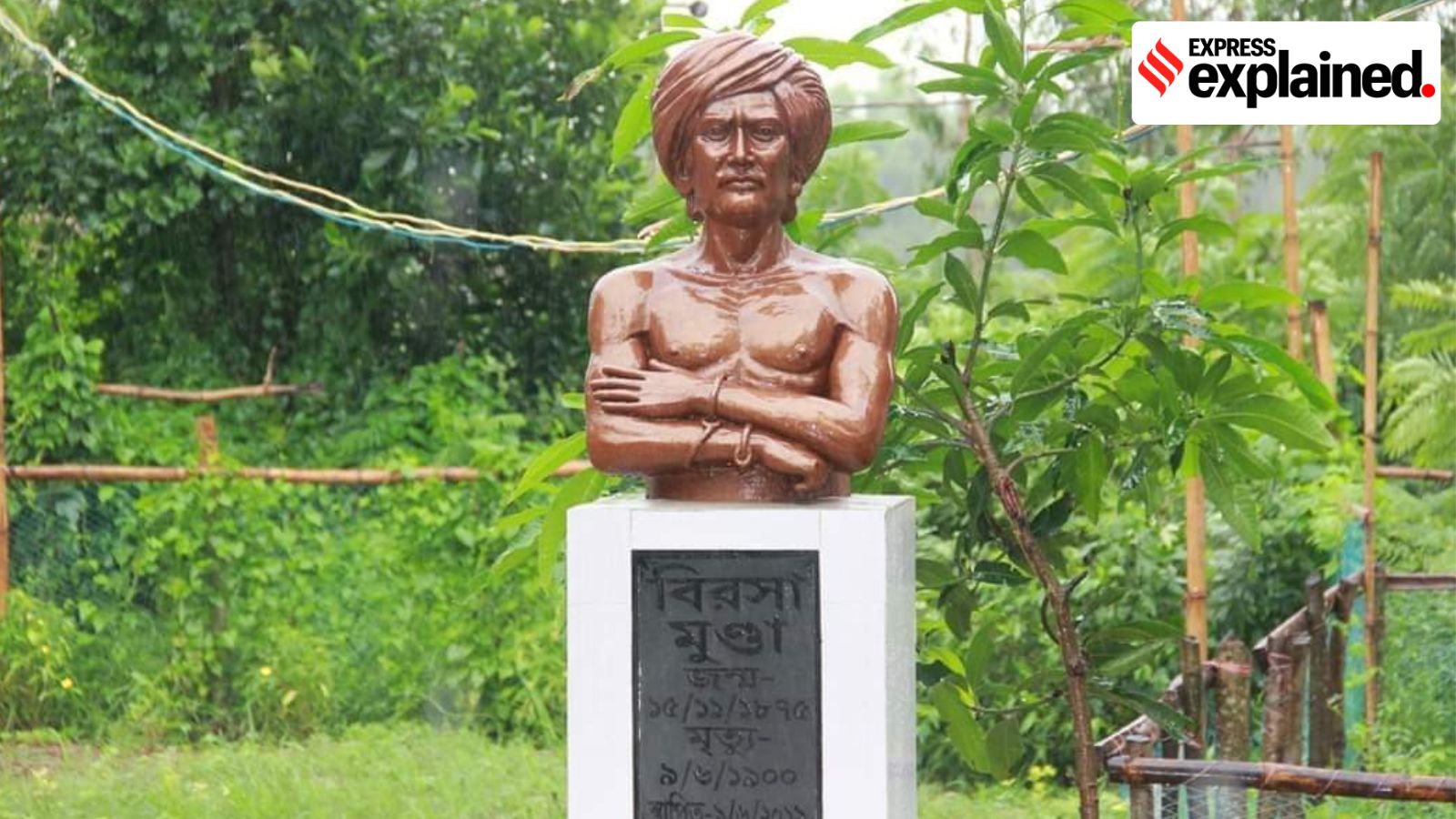
A brave leader named Birsa Munda led a big fight for them.
After many years of trying, a new state called Jharkhand was created just for these people in 2000, on Birsa Munda's birthday.
The idea was to give them more control over their home and help them do better.
But even after 25 years, things haven't turned out as planned.
Even though Jharkhand has lots of valuable minerals, many people are still poor and can't find jobs.
It's like the state's riches are helping other places more than its own people.
Some people feel that outsiders still have too much say in how things are run.
It's a difficult journey to make sure everyone in Jharkhand has a good life and their culture is safe.

Jharkhand was formed on November 15, 2000, after a long struggle by Adivasi communities to protect their identity and resources.
The demand for a separate state stemmed from historical conflicts with 'outsiders' and the desire for self-rule, inspired by leaders like Birsa Munda.
Key organizations like the Chota Nagpur Unnati Samaj, Adivasi Mahasabha, Jharkhand Party, and Jharkhand Mukti Morcha (JMM) led the movement for statehood.
Despite possessing significant mineral wealth, Jharkhand has struggled with poverty, unemployment, and poor infrastructure since its formation.
Critics point to 'internal colonialism,' poor governance, and policies that favored resource exploitation outside the state as reasons for its persistent underdevelopment.
- Who
- Adivasis, colonial forces, Theodore Surin, J Bartholomen, Jaipal Singh Munda, Shibu Soren, Binod Bihari Mahato, A K Roy, Suraj Singh Besra, Nirmal Mahto, Bharatiya Janata Party (BJP), Lalu Prasad, Rabri Devi, Atal Bihar Vajpayee, Sanjay Bosu Mullick, Jean Drèze.
- What
- The historical struggle, formation, and the subsequent 25-year journey of Jharkhand state, focusing on the unfulfilled promise of protecting Adivasi identity and improving economic prospects.
- Where
- Jharkhand (carved out of Bihar), Chhotanagpur region, India.
- When
- Formation on November 15, 2000, with the struggle tracing back to the late 18th and 19th centuries, and current context being the 25th anniversary.
- Why
- To establish a separate Adivasi territory that would protect indigenous identity, resources, and ensure self-rule, but currently facing challenges of poverty, unemployment, and external influence despite rich mineral resources.
Historical Struggle
Contemporary Challenges
Core Motivation for Statehood
Historical Struggle
The movement was driven by the desire to protect Adivasi identity, land, and resources from 'Diku' (outsider) exploitation, encapsulated by Birsa Munda's slogan 'Our land, our rule'.
Contemporary Challenges
Despite statehood, Jharkhand faces persistent issues of poverty, unemployment, and poor infrastructure, leading to a situation where its resources benefit other regions and its people migrate for work.
Governance and Autonomy
Historical Struggle
Early movements like the Chota Nagpur Unnati Samaj and Adivasi Mahasabha sought to assert indigenous autonomy and preserve cultural identity.
Contemporary Challenges
Current governance is criticized for being heavily influenced by non-Jharkhandis, with a bureaucracy dominated by outsiders, leading to a lack of control for the indigenous population over policy and implementation ('internal colonialism').
Economic Development Approach
Historical Struggle
Early policies like the Chota Nagpur Tenancy Act (1908) aimed to restrict non-Adivasi land acquisition.
Contemporary Challenges
Policies like the Freight Equalisation Policy (1952-1993) disadvantaged Jharkhand by making it more economical to set up industries elsewhere, fueling growth outside the state. Natural resources are often handed over to commercial interests instead of local benefit.
Key facts
- Formation Date
- November 15, 2000
- Origin
- Carved out of Bihar
- Key Figure
- Birsa Munda (revolutionary Adivasi leader)
- Foundational Slogan
- “Abua dishum, abua raj” (Our land, our rule)
- Historical Movements
- Hul of 1855-56, Ulgulan of 1899
- Early Organizations
- Chota Nagpur Unnati Samaj (1915), Adivasi Mahasabha (1939)
- Political Evolution
- Jharkhand Party (1949), Jharkhand Mukti Morcha (JMM) (1972), All Jharkhand Students’ Union (AJSU) (1986)
- Current Status (Per Capita Income 2023-24)
- Rs 1,15,960 (lower than national average of Rs 2,15,935)
Quotes
S Bosu Mullick
author-activist
“The State Process, which is responsible for forming policies and laws, is heavily influenced by non-Jharkhandis. This, coupled with the fact that the State Mechanism (the bureaucracy responsible for implementation) is similarly dominated, means the state’s indigenous population lacks control over both law creation and enforcement.”
 indianexpress.com

Shibu Soren
JMM leader
“Our first concern is to chase away the bloodsuckers and help the people lead a respectable, quiet and fraternal life.”
indianexpress.com
Jean Drèze
economist who teaches at Ranchi University
“Today, there is little to distinguish Jharkhand from the rest of India — except that it remains poorer.”
indianexpress.com