

Archive · 6 Nov 2025
Pakistan Lawyer Challenges 'Period Tax' on Sanitary Pads
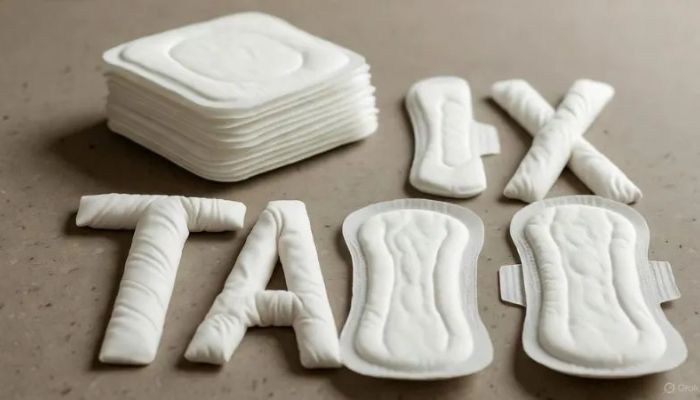
Imagine if the government put a big tax on something you needed every month just to stay clean, like toilet paper!
That's what's happening in Pakistan with sanitary pads for women.
A young lawyer named Mahnoor Omar is saying it's not fair.
She argues that pads are not a luxury, like fancy perfume, but a basic need for every woman's health.
Because they are so expensive with the extra taxes, many women can't afford them.
This means they sometimes have to use unhygienic things, which can make them sick.
It also makes it hard for girls to go to school when they have their periods.
Mahnoor's fight is about making sure everyone understands that periods are natural and taxing them is wrong.
Many other countries have already stopped taxing these products, and advocates hope Pakistan will too.
This isn't just about money; it's about treating women with respect and ensuring they have good health.

A 25-year-old lawyer, Mahnoor Omar, has filed a petition challenging Pakistan's 'period tax' of 40% on sanitary pads.
Activists argue that sanitary pads are classified as luxury goods like perfumes, rather than essential items, leading to unaffordability.
The high cost of sanitary pads contributes to poor menstrual hygiene, health risks, and girls missing school or dropping out.
While several countries have abolished similar taxes, Pakistan has not declared sanitary pads as essential commodities.
The movement aims to address not only financial barriers but also the cultural shame and stigma surrounding menstruation.
- Who
- Lawyer Mahnoor Omar and women in Pakistan
- What
- Challenging a 40% tax on sanitary pads and menstrual hygiene products.
- When
- Ongoing, with a petition filed in court.
- Where
- Pakistan
- Why
- To make menstrual products affordable, promote women's health, dignity, and equality by removing discriminatory taxes.
Activists & Advocates
Government & Tax System (Implicit)
Classification of Sanitary Pads
Activists & Advocates
Sanitary pads are essential hygiene products necessary for women's health and dignity, not luxury items like perfumes.
Government & Tax System (Implicit)
Sanitary pads are classified as luxury goods alongside cosmetics, subjecting them to high taxes and customs duties.
Impact of Taxation
Activists & Advocates
The 40% tax makes pads unaffordable for many women, leading to unhygienic practices, increased health risks, and educational disruption.
Government & Tax System (Implicit)
Taxes on sanitary pads contribute to government revenue without specific consideration for the disproportionate burden on women.
Policy Approach
Activists & Advocates
Policies should be gender-sensitive, recognizing menstruation as a natural biological process and a basic human right.
Government & Tax System (Implicit)
Current policies are gender-blind, failing to account for the unique needs and challenges faced by women, treating essential items as non-essential.
- Challenger
- Lawyer Mahnoor Omar
- Issue
- 40% 'period tax' (taxes and customs duties) on sanitary pads and menstrual hygiene products
- Argument
- Sanitary pads are essential, not luxuries, and taxing them is discriminatory and harmful to women's health and education.
- Impact on Women
- Reduced access leads to unhygienic practices, increased infection risk, missed school days, and social exclusion.
- Countries Abolishing 'Pink Tax'
- India, Kenya, UK, Canada, Australia, Colombia, South Africa
- Sanitary Pad Usage (Rural Pakistan)
- Approximately 16%
- Girls Missing School Due to Periods
- One in five