

Archive · 29 Aug 2026
Jharkhand Issues H1N1 Alert After Eight Positive Tests
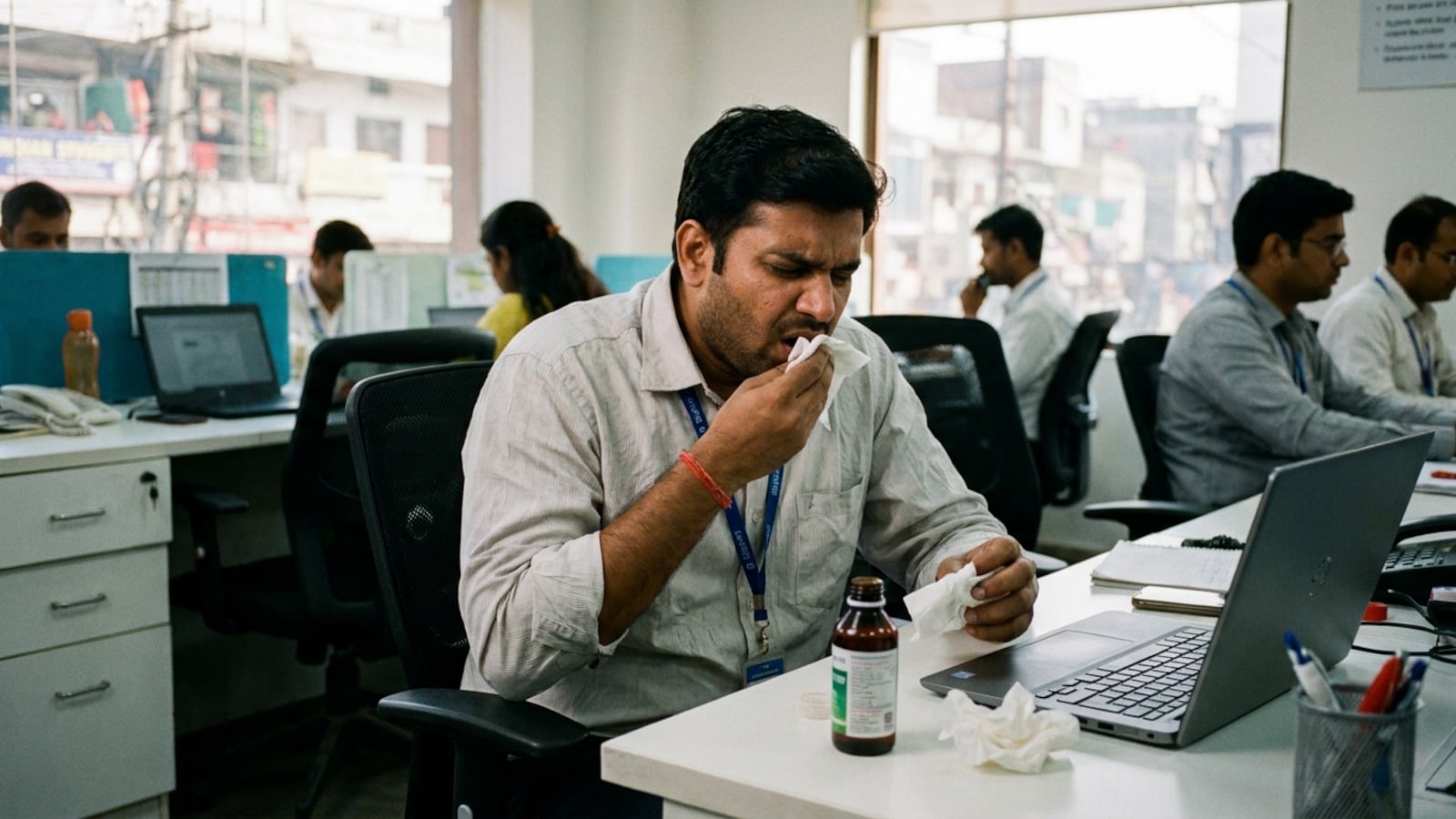
Eight of 11 samples tested in Jharkhand were positive for H1N1, which is also called swine flu.
The state health department has put hospitals and officials on alert.
Officials said this does not mean people should panic.
They want people to notice symptoms and seek medical help early.
Hospitals must screen patients who have flu-like symptoms.
They must also keep beds, medicines, oxygen and equipment ready.
Testing is available at hospitals in Ranchi and Jamshedpur.
People with serious symptoms may be referred for urgent treatment.
Older people, young children, pregnant women and people with serious long-term illnesses need extra care.

Eight of 11 samples tested at Ranchi’s RIMS were positive for H1N1 influenza.
Jharkhand officials said the alert aims to increase awareness and precaution, not cause panic.
Hospitals were instructed to screen suspected cases and reserve isolation capacity, including at least 10 beds.
Facilities must prepare oxygen, medicines, ventilators, ICU and HDU capacity, PPE and trained staff.
Elderly people, children up to five, pregnant women and those with serious chronic illnesses face higher risk.
- Who
- Jharkhand’s Health Department, Health Minister Irfan Ansari, National Health Mission director Shashi Prakash Jha and state health officials.
- What
- The state issued an H1N1 alert after eight of 11 samples tested positive.
- When
- Saturday, August 29; the year was not specified in the reports.
- Where
- Jharkhand, with the positive samples tested at Rajendra Institute of Medical Sciences in Ranchi.
- Why
- To increase awareness and precautions, monitor suspected cases, and prepare hospitals to identify and treat patients promptly.
- Positive tests
- Eight of 11 samples tested positive for H1N1 at RIMS in Ranchi.
- Testing facilities
- Influenza A H1N1 and H3N2 testing is available at RIMS, Ranchi, and MGM, Jamshedpur.
- Hospital beds
- Hospitals were instructed to reserve or designate at least 10 beds for potential, suspected or infected H1N1 patients.
- Disease monitoring
- Authorities are monitoring influenza-like illness and severe acute respiratory infection cases through the Integrated Disease Surveillance Programme and the IHIP portal.
- Hospital preparations
- Hospitals were told to maintain oxygen, essential medicines, medical equipment, PPE, masks and ventilators; one report also cited ICU and HDU preparedness and trained staff.
- Higher-risk groups
- The elderly, children up to age five, pregnant women and people with serious chronic illnesses were identified as more susceptible.
- Public guidance
- People with fever, cough, sore throat, cold or breathing difficulty may receive clinical assessment and H1N1 testing based on medical advice.

