Archive · 17 Nov 2025
Seven Essential Skills for Thriving in the Agentic AI Era
Imagine computers and programs are getting super smart, like having their own little brains to learn and make decisions.
These are called 'agentic AI.'
Because they are becoming like smart helpers or collaborators, companies need people who know how to build and manage them.
These people need to be good at many things.
They need to know how to write computer code, especially new kinds that help different AI helpers talk to each other.
They also need to understand how the AI learns and thinks, like knowing about 'machine learning.'
Having good data skills is super important, like knowing how to organize and use information.
It's also helpful if they understand the specific industry they are working in, like knowing about medicine or money.
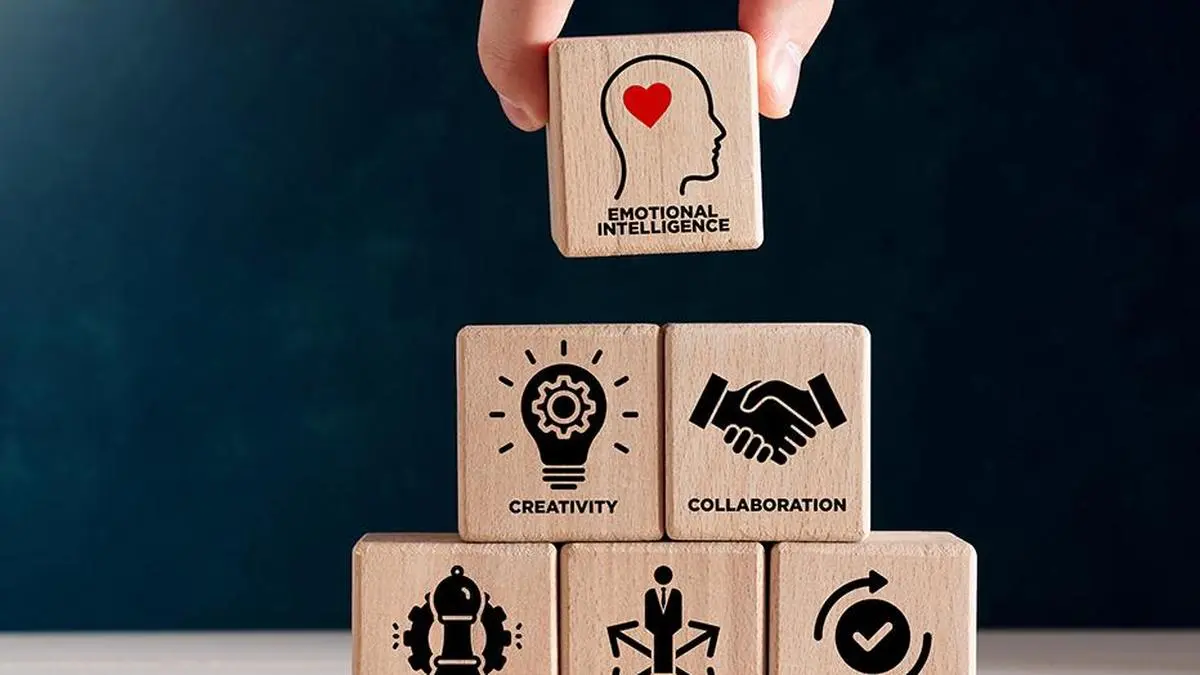
Importantly, they need to make sure the AI is used safely and fairly, and they need to keep using their own human skills like creativity and problem-solving.
Finally, they must always be ready to learn new things because AI changes so fast.
By having these skills, people can help build a future where smart technology and human ideas work together.

Agentic AI, capable of learning and decision-making, is ushering in a new era of business transformation.
87% of C-suite executives recognize AI agents as drivers of process transformation.
Key skills for AI practitioners include advanced coding (e.g., asynchronous programming), machine learning expertise, and proficiency with frameworks like TensorFlow and PyTorch.
Strong data skills, domain fluency, and a commitment to responsible AI (fairness, transparency, security) are crucial.
Human-centric skills like creativity, empathy, and critical thinking, combined with lifelong learning, are essential for future relevance.
- Who
- AI and data practitioners, C-suite executives
- What
- The seven essential skills required to thrive in the era of agentic AI.
- When
- As agentic AI redefines business landscapes and drives process transformation.
- Where
- Globally, within organizations embracing AI.
- Why
- To design, develop, and deploy AI systems effectively, stay relevant, and architect a future where technology and human ingenuity converge.
Need for New Skillset
Importance of Foundational & Human Skills
Technical Expertise
Need for New Skillset
Practitioners need to master new coding paradigms like asynchronous programming, understand modern ML architectures, LLM fundamentals, and multi-agent orchestration frameworks.
Importance of Foundational & Human Skills
While new tools are important, core coding skills, understanding data structures, and established machine learning principles remain fundamental.
AI Integration
Need for New Skillset
As AI agents become more prevalent, practitioners must focus on building scalable, resilient, and adaptive systems, including robust exception handling and multi-agent collaboration.
Importance of Foundational & Human Skills
The focus should also be on understanding the business context, client needs, and applying human judgment to AI-driven work to ensure commercially viable and effective solutions.
Continuous Learning
Need for New Skillset
The rapid evolution of AI necessitates active tracking of new developments, experimentation with open-source projects, and pursuit of certifications in emerging technologies.
Importance of Foundational & Human Skills
Lifelong learning should also encompass developing irreplaceable human qualities like empathy, creativity, and critical thinking, which guide technological progress.
- Publication Date
- November 17, 2025
- Author Affiliation
- Accenture
- Key Driver
- Rise of agentic AI and its redefinition of business landscapes.
- Executive Belief
- 87% of global C-suite executives believe AI agents are driving a new era of process transformation.
- Essential Skill Areas
- Coding, Machine Learning, Data Skills, Domain Fluency, Responsible AI, Human Edge, Lifelong Learning.
- Specific Technical Skills
- Asynchronous programming, LLM fundamentals, multi-agent collaboration frameworks (e.g., LangChain), modern data architectures (e.g., lakehouse).